


 G7 Foreign Ministers Gather in France Amid Global Tensions and U.S. Policy Uncertainty
  Maduro Faces Rare Narcoterrorism Charges in U.S. Court
  US Accelerates Taiwan Arms Deliveries Amid Rising China Threat
  Bachelet Pushes Forward With UN Secretary-General Bid Despite Chile's Withdrawal
  Trump Administration Opens Two New Investigations Into Harvard Over Discrimination and Antisemitism
  U.S. Deploys Elite 82nd Airborne Troops to Middle East Amid Iran Tensions
  WTO Reform Talks Begin in Cameroon Amid Global Trade Tensions
  Kristi Noem Ends Western Hemisphere Tour in Diminished Role After DHS Firing
  Russia Strikes Kharkiv and Izmail as Cross-Border Drone War Escalates
  Russia-Iran Military Alliance Deepens With Drone Shipments Amid Middle East Tensions
  Iran-Israel Missile Strikes Continue Amid Mixed Signals on U.S.-Iran Diplomacy
  Jay Bhattacharya to Continue Leading CDC as White House Searches for Permanent Director
  Trump to Visit China in May for High-Stakes Xi Summit Amid Iran War
  Israel Eyes Litani River as New Border Amid Escalating Lebanon Offensive
  Denmark Election 2025: Social Democrats Suffer Historic Losses Amid Migration and Cost-of-Living Tensions
  Taiwan Arms Deal on Track Despite U.S.-China Summit Uncertainty
  Iran-U.S. Negotiations: Tehran Reviews American Peace Proposal Amid Ongoing Gulf Conflict


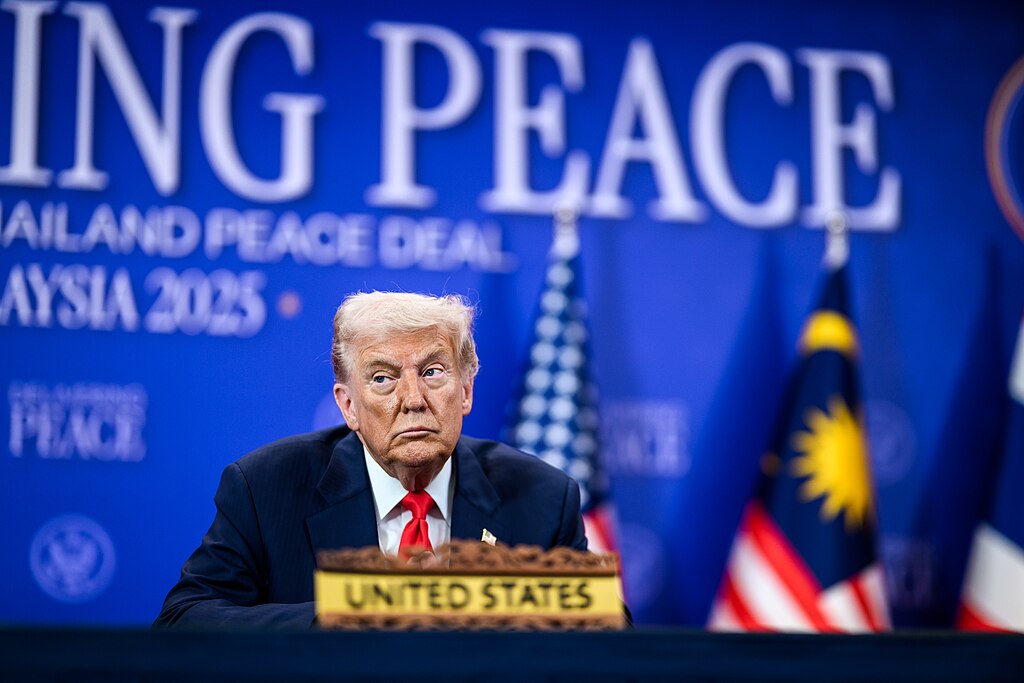
U.S. President Donald Trump ignited widespread concern on Saturday after declaring on Truth Social that the airspace “above and surrounding Venezuela” should be considered “closed in its entirety.” The brief statement, which offered no operational details, left officials in Washington and citizens in Caracas uncertain about its implications as tensions between the U.S. and Venezuelan President Nicolas Maduro continue to escalate.
According to U.S. officials contacted by Reuters, Trump’s announcement came as a surprise, with no confirmation of military plans to enforce such a closure. The Pentagon and White House declined to clarify the president’s remarks, prompting further speculation about potential military actions or policy shifts. Venezuela swiftly condemned the statement as a “colonialist threat” and accused the U.S. of violating international law and regional sovereignty.
Trump’s comments arrive amid a broader U.S. pressure campaign on Maduro’s government, which the administration has linked to drug trafficking. Maduro denies any involvement. Recent reports indicate Washington has considered aggressive strategies, including covert CIA operations and leveraging its expanded military presence in the Caribbean. Nearly three months of U.S. strikes against suspected drug-smuggling vessels near Venezuela have already heightened regional military activity.
A former U.S. Air Force commander, David Deptula, noted that imposing a no-fly zone requires extensive planning and resources, emphasizing that Trump’s vague statement leaves “more questions than answers.”
In Caracas, residents expressed frustration and fear over how a potential airspace shutdown could disrupt travel, business, and family visits. Others worry it could worsen already strained living conditions. Venezuela’s government also warned that Trump’s statement effectively suspends deportation flights on which thousands of Venezuelans recently returned from the U.S. under tightening immigration policies.
International criticism followed quickly, with Iran calling the move a “serious breach of international law.” Meanwhile, increased surveillance inside Venezuela and disruptions to GPS signals have fueled growing anxiety as military activity intensifies.
Trump’s declaration also came days after a U.S. FAA advisory warned airlines of heightened risks when flying over Venezuela due to escalating security concerns. In response, Venezuela revoked the operating rights of several international airlines that had halted service following the warning.













