


 Supreme Court Asked to Reinstate Mail-Order Access to Abortion Pill Mifepristone
  Senate Stablecoin Bill Sparks Clash Between Banks and Crypto Industry
  Judge Delays SEC Settlement With Elon Musk Over Twitter Stock Disclosure Case
  Judge Rules DOGE Humanities Grant Cuts Unconstitutional
  Federal Appeals Court Allows Texas SB4 Immigration Law Enforcement to Proceed
  Brazil Pension Fund Crackdown After Banco Master Collapse Raises Investment Concerns
  Comey Faces Charges Over Instagram Post as Free Speech Debate Intensifies
  Trump Administration Dismisses Entire National Science Board, Sparking Debate Over Scientific Independence
  Judge Rules Use of Military Lawyers in Civilian Prosecutions Is Lawful
  Trump-Xi Beijing Summit to Focus on Trade, Taiwan, and Boeing Deal
  Ukraine-Russia Ceasefire Confirmed as Prisoner Swap Deal Advances
  Mexico President Claudia Sheinbaum Reconsiders Early School Closure Plan Ahead of 2026 World Cup
  U.S.-China Beef Trade Deal Hopes Rise Ahead of Trump-Xi Summit
  US Reviews Mexican Consulates Amid Rising Diplomatic Tensions
  Trump Says U.S. Navy Destroyers Passed Strait of Hormuz Under Iranian Fire
  Nike Tariff Refund Lawsuit Sparks Consumer Backlash Over Price Increases
  U.S., South Korea Launch Shipbuilding Partnership Initiative


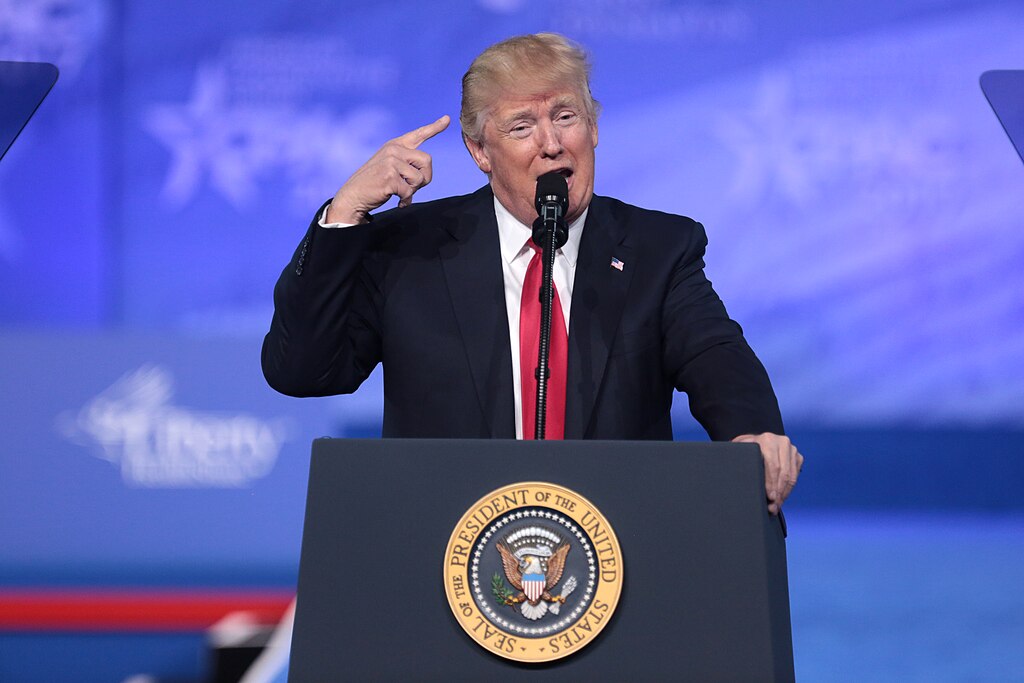
President-elect Donald Trump is set to reshape the federal government by dismantling what he terms the "deep state." Sources indicate that on his first day in office, Trump may sign an executive order reviving Schedule F, a policy allowing the reclassification of an estimated 50,000 career federal employees into political appointments. This would enable their replacement with loyalist appointees, fundamentally altering the federal workforce.
Trump’s administration plans to expedite thousands of political appointments across government agencies. Allies claim the move is necessary to remove bureaucrats who allegedly stalled his agenda during his previous term. Critics argue the effort undermines federal job protections and is based on a conspiracy theory targeting career civil servants.
Notable nominees like Russell Vought, tapped to lead the Office of Management and Budget, and Pam Bondi, nominated as Attorney General, support the plan. Vought was instrumental in crafting the original Schedule F order in 2020 and advocates for aligning federal positions with the president’s agenda. Bondi and other appointees, including Kash Patel and Marco Rubio, aim to implement reforms across various departments.
Opponents, including federal worker unions, warn that Schedule F would create a climate of fear and politicization. James Eisenmann, a workforce policy expert, expressed concerns that the policy could suppress dissent and reduce efficiency. Some critics, like Steve Lenkart of the National Federation of Federal Workers, likened it to creating a "secret police" within government ranks.
Supporters of Trump’s initiative claim it is essential for efficient governance, while critics see it as an unprecedented power grab. As Trump’s team identifies federal employees perceived as resistant to his agenda, the debate over Schedule F and its potential consequences continues to intensify.







