


 Iran Demands Lebanon Be Part of Any Ceasefire Deal With Israel and the U.S.
  Russia Strikes Kharkiv and Izmail as Cross-Border Drone War Escalates
  U.S.-Iran Peace Talks Gain Momentum Amid Ongoing Conflict
  Pakistan's Diplomatic Rise: Mediating U.S.-Iran Peace Talks
  Kristi Noem Ends Western Hemisphere Tour in Diminished Role After DHS Firing
  WTO Reform Talks Begin in Cameroon Amid Global Trade Tensions
  Denmark Election 2025: Social Democrats Suffer Historic Losses Amid Migration and Cost-of-Living Tensions
  US-Iran Ceasefire Talks Underway: What You Need to Know
  Jay Bhattacharya to Continue Leading CDC as White House Searches for Permanent Director
  Trump's Overhaul of American History: Museums, Monuments, and Cultural Institutions
  Trump Seeks Quick End to U.S.-Iran Conflict Amid Ongoing Middle East Tensions
  U.S. Deploys Elite 82nd Airborne Troops to Middle East Amid Iran Tensions
  G7 Foreign Ministers Gather in France Amid Global Tensions and U.S. Policy Uncertainty
  Trump Administration Opens Two New Investigations Into Harvard Over Discrimination and Antisemitism
  Trump Backs Down on Iran Strikes After Gulf Allies Sound the Alarm
  Trump Votes by Mail Despite Calling It "Cheating" as Democrat Wins Mar-a-Lago District
  Trump to Visit China in May for High-Stakes Xi Summit Amid Iran War


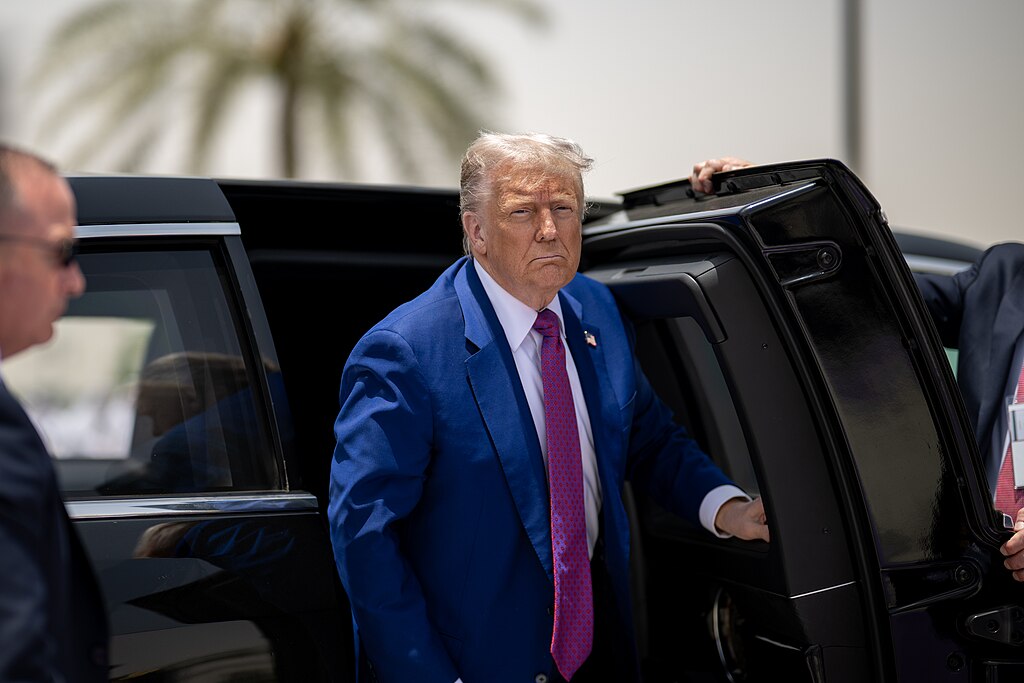
A fierce internal battle within the Trump White House is shaping how the United States navigates its ongoing military campaign against Iran — and how the president ultimately defines what victory looks like.
Nearly two weeks into what officials describe as the largest American military operation since the 2003 invasion of Iraq, competing factions are lobbying Trump from different directions. Economic advisers from the Treasury Department and National Economic Council have cautioned that rising gasoline prices could quickly turn public opinion against the war effort. Chief of Staff Susie Wiles and her deputy James Blair are echoing those concerns, urging Trump to frame the campaign as limited in scope and close to completion.
On the other side, hawkish Republican senators like Lindsey Graham and Tom Cotton, along with conservative media figures, are pushing for sustained military pressure to permanently dismantle Iran's nuclear ambitions and curb its regional influence. Meanwhile, Trump's populist allies — including strategist Steve Bannon and commentator Tucker Carlson — are warning against being drawn into another prolonged Middle Eastern conflict.
Trump himself has sent mixed signals. At a Kentucky rally, he declared the U.S. had won, then immediately suggested the mission was not yet finished. Behind the scenes, aides reportedly prepared messaging memos encouraging him to describe the conflict as a "short-term excursion," language he has since repeated publicly.
The stakes are significant. Iran's continued disruption of oil shipments through the Strait of Hormuz — a critical route for roughly one-fifth of global oil supply — is straining energy markets and threatening economic stability ahead of November's midterm elections.
Some White House officials are quietly exploring an exit strategy: declaring that military objectives have been achieved, then transitioning to sanctions and diplomatic negotiations. However, not everyone inside the administration supports that path, and Iran shows no signs of backing down.







