


 Trump Backs Nexstar–Tegna Merger Amid Shifting U.S. Media Landscape
  Nighttime Shelling Causes Serious Damage in Russia’s Belgorod Region Near Ukraine Border
  Federal Judge Restores Funding for Gateway Rail Tunnel Project
  U.S. Announces Additional $6 Million in Humanitarian Aid to Cuba Amid Oil Sanctions and Fuel Shortages
  Trump Lifts 25% Tariff on Indian Goods in Strategic U.S.–India Trade and Energy Deal
  Japan Election 2026: Sanae Takaichi Poised for Landslide Win Despite Record Snowfall
  Ohio Man Indicted for Alleged Threat Against Vice President JD Vance, Faces Additional Federal Charges
  Trump Says “Very Good Talks” Underway on Russia-Ukraine War as Peace Efforts Continue
  Trump Allows Commercial Fishing in Protected New England Waters
  Trump’s Inflation Claims Clash With Voters’ Cost-of-Living Reality
  Trump Endorses Japan’s Sanae Takaichi Ahead of Crucial Election Amid Market and China Tensions
  Jack Lang Resigns as Head of Arab World Institute Amid Epstein Controversy
  Iran–U.S. Nuclear Talks in Oman Face Major Hurdles Amid Rising Regional Tensions
  Norway Opens Corruption Probe Into Former PM and Nobel Committee Chair Thorbjoern Jagland Over Epstein Links
  South Korea Assures U.S. on Trade Deal Commitments Amid Tariff Concerns
  India–U.S. Interim Trade Pact Cuts Auto Tariffs but Leaves Tesla Out
  Missouri Judge Dismisses Lawsuit Challenging Starbucks’ Diversity and Inclusion Policies


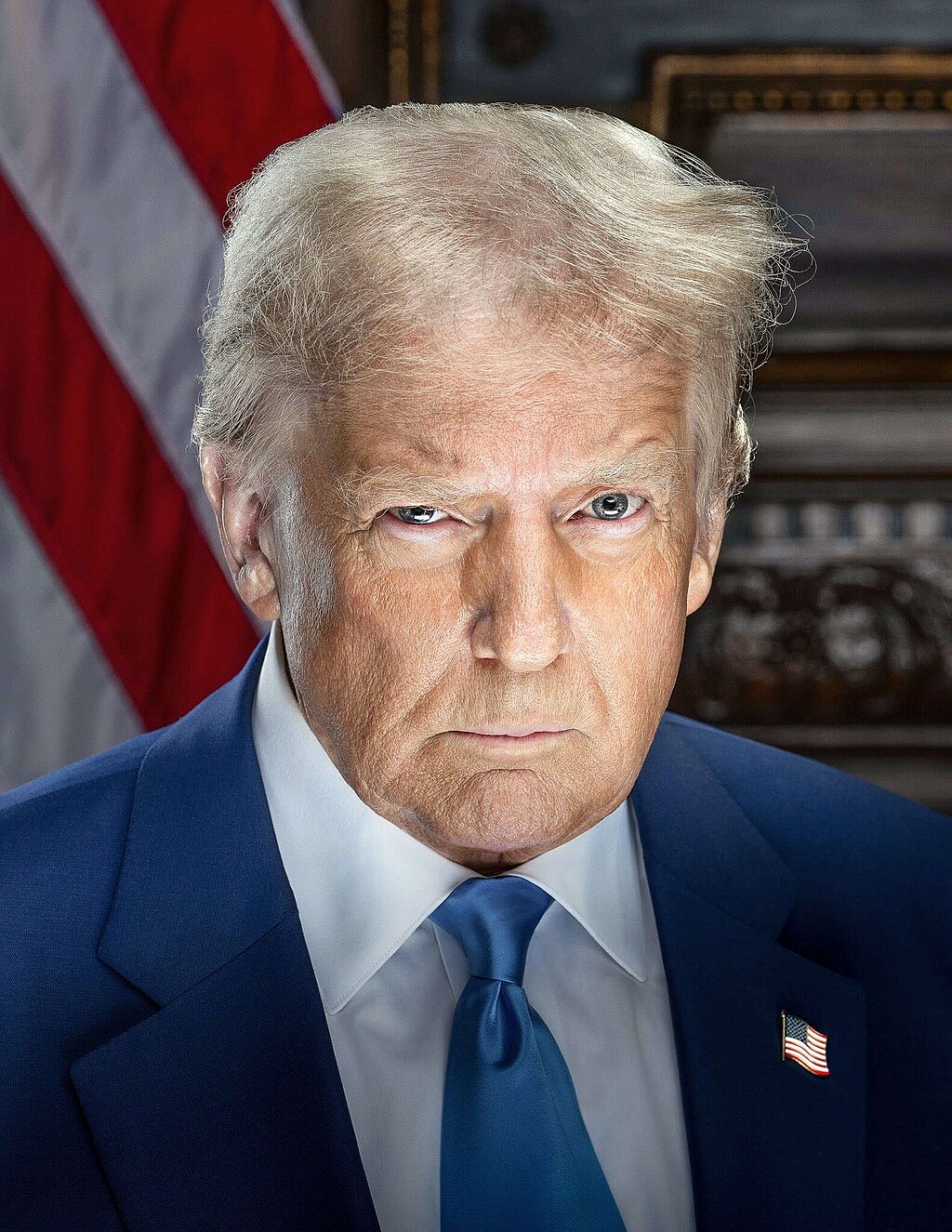
President-elect Donald Trump’s inauguration on Monday will be held indoors at the U.S. Capitol Rotunda instead of outdoors, marking the first indoor ceremony in 40 years due to severe cold. Trump announced on Truth Social, citing an Arctic blast across the country, prioritizing public safety. The last similar instance was in 1985 during President Ronald Reagan’s second inauguration, where temperatures fell to minus 20°F with wind chill.
Washington’s Monday forecast predicts 19°F, feeling colder with wind chill. Trump’s supporters can watch the event on screens at Capital One Arena, a downtown venue seating 20,000 people. The inaugural parade will also take place in the arena, though its format remains unclear. Trump plans to join attendees there following the ceremony.
The move significantly limits the in-person audience, leaving over 220,000 ticketed guests and 250,000 unticketed attendees on the National Mall unable to participate outdoors. Mississippi resident Tammy Matte canceled her family’s 1,000-mile trip after learning they wouldn’t witness the ceremony in person.
The Secret Service and congressional committees are adapting security plans for the indoor event. Trump’s first inauguration in 2017 faced controversy over crowd sizes, but the indoor setting eliminates comparisons this year.
Cold inaugurations are a U.S. tradition. Historical events include William Henry Harrison’s 1841 ceremony, conducted in freezing rain, leading to pneumonia and his death a month later. Ulysses S. Grant’s 1873 inauguration saw cadets collapse amid bitter winds.
Trump will hold a pre-inaugural rally at Capital One Arena on Sunday evening. Despite the changes, the president-elect emphasized safety, ensuring attendees experience the event without risk.
Keywords: Trump inauguration, indoor ceremony, Arctic blast, severe cold, presidential parade, Washington weather, historical inaugurations, crowd size controversy.













