


 Rubio Approves $25.8 Billion Weapons Sale to Middle East Allies
  China-Made Fireworks Power U.S. Independence Day Celebrations Amid Trade Truce
  U.S. Fast-Tracks $8.6 Billion Arms Sales to Middle East Allies Amid Rising Tensions
  Iran-U.S. Peace Deal Near as Oil Prices Fall and Nuclear Disputes Persist
  Trump Administration Dismisses Entire National Science Board, Raising Concerns Over Scientific Independence
  Oil Price Forecasts Rise for 2026 as Middle East Supply Risks Persist
  Australia Launches Public Hearings on Bondi Beach Shooting and Rising Antisemitism
  Trump Signals Possible U.S.-Iran Peace Deal as Markets Rally on Hopes of War Ending
  Trump Invites Top CEOs Including Nvidia, Apple, Boeing to China Summit With Xi Jinping
  Senate Stablecoin Bill Sparks Clash Between Banks and Crypto Industry
  Trump Inspects Lincoln Memorial Reflecting Pool Renovation in Washington
  U.S.-China Beef Trade Deal Hopes Rise Ahead of Trump-Xi Summit
  US-Iran Ceasefire Under Pressure as Fresh Strait of Hormuz Clashes Shake Oil Markets
  Trump Administration Releases New UFO Files and Apollo Mission Records
  Saudi Aramco Q1 Profit Jumps 25% as Strait of Hormuz Crisis Reshapes Oil Exports


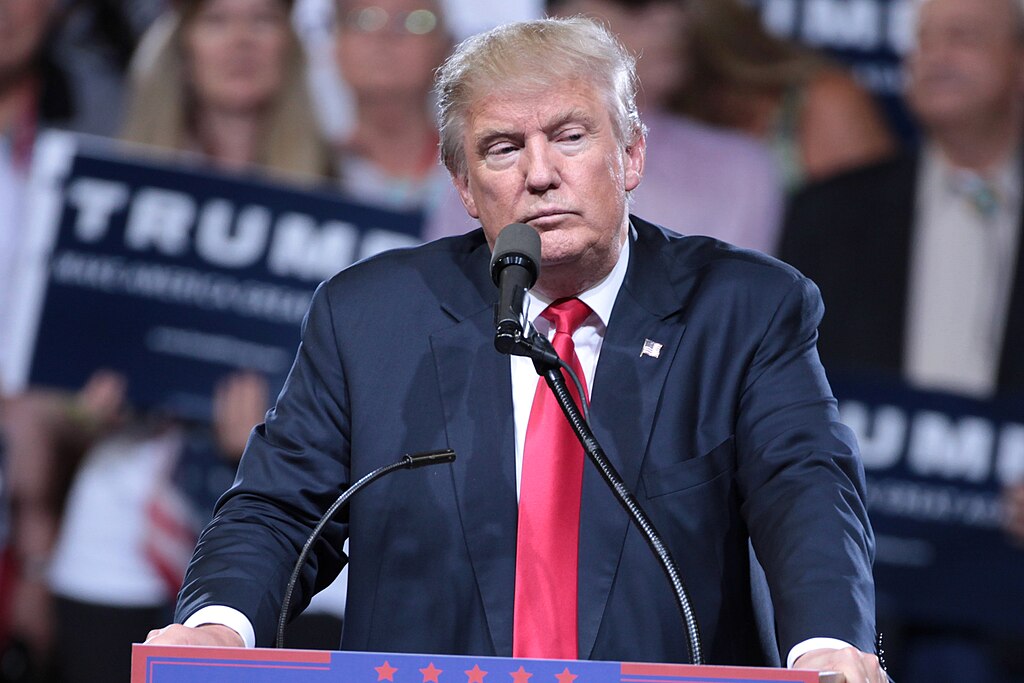
President Trump’s May 12 executive order on drug pricing seeks to implement most-favored-nation (MFN) pricing, pressuring pharmaceutical companies to match the lowest prices charged abroad. The order instructs the Secretary of Health and Human Services (HHS) to engage with drugmakers and, if necessary, propose regulations enforcing MFN benchmarks.
Barclays analysts say the strategy leans on coercing manufacturers to reduce prices. However, they caution the policy could face significant legal and implementation challenges that may weaken its overall impact. Even if manufacturers cut prices, consumers may not see direct savings due to the complex pharmaceutical pricing system involving intermediaries like pharmacy benefit managers, insurers, and pharmacies who could retain the cost reductions.
The order also asks HHS to explore a direct-to-consumer drug purchasing program. Meanwhile, proposed pharmaceutical tariffs could raise import costs, possibly offsetting price cuts and undermining cost-saving efforts.
On inflation, Barclays estimates a 10% drop in consumer drug prices would reduce the year-over-year Consumer Price Index (CPI) by 9 basis points and the Personal Consumption Expenditures (PCE) index by 28 basis points. Yet, the bank notes potential “counter-intuitive” effects, such as increased costs in health insurance, that could raise inflation in other categories.
Despite recent Medicare Part D negotiations securing discounts of 38% to 79% on ten drugs, actual government savings are estimated at just $1.5 to $1.8 billion—far below the $6 billion initially projected.
As the administration pushes for drug pricing reform, experts remain skeptical about the order’s effectiveness, given industry resistance, legal complexity, and the uncertain benefit to consumers at the pharmacy counter.







