


 Asian Currencies Weaken as Dollar Rebounds Amid Middle East Uncertainty and Japan Inflation Data
  FEMA Reinstates $1 Billion Disaster Prevention Grant Program After Court Order
  Australia's Inflation Eases in February but Core Pressures Persist
  Trump Says Iran Offered Major Energy Concession Amid Ongoing Negotiations
  Cuba Receives Humanitarian Aid Convoy Amid U.S. Sanctions
  Middle East War Rattles Global Markets as Oil Tops $100 and Dollar Surges
  US Accelerates Taiwan Arms Deliveries Amid Rising China Threat
  Denmark Election 2025: Social Democrats Suffer Historic Losses Amid Migration and Cost-of-Living Tensions
  Iran Demands Lebanon Be Part of Any Ceasefire Deal With Israel and the U.S.
  U.S. Deploys Elite 82nd Airborne Troops to Middle East Amid Iran Tensions
  Wall Street Slides as Iran War Uncertainty, Oil Surge, and AI Fears Rattle Markets
  U.S. Oil Prices Slide as Middle East Ceasefire Talks Spark Market Optimism
  Iran-Israel Missile Strikes Continue Amid Mixed Signals on U.S.-Iran Diplomacy
  Oil Prices Rebound as Iran Denies U.S. Talks Amid Gulf War Supply Fears
  Pakistan's Diplomatic Rise: Mediating U.S.-Iran Peace Talks
  Asian Currencies Stay Muted as Dollar Holds Firm Amid Iran Uncertainty
  Kristi Noem Ends Western Hemisphere Tour in Diminished Role After DHS Firing


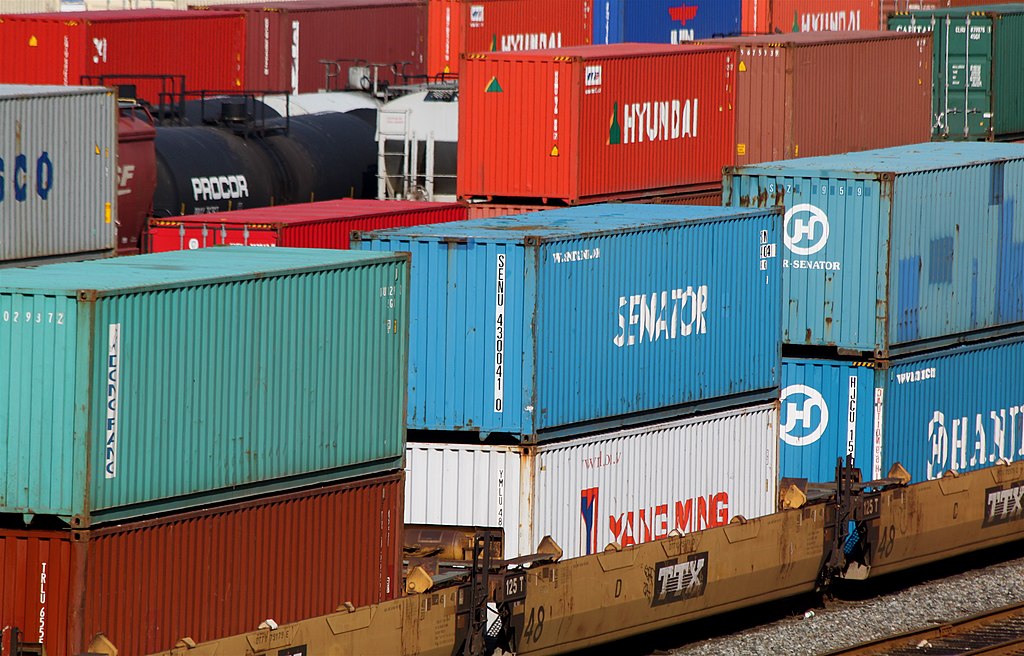
President Donald Trump’s proposed port fees on China-made ships and vessels linked to Chinese fleets are causing major disruptions in U.S. exports, particularly in agriculture, energy, and coal industries. The plan, which would impose fines of up to $1.5 million per ship, aims to revive U.S. shipbuilding but is creating unintended consequences for American businesses.
Coal exporters, including Xcoal Energy & Resources, warn that these fees could halt U.S. coal exports within 60 days, putting $130 billion in shipments at risk and potentially triggering mass layoffs in West Virginia mines. The added cost—up to 35% per shipment—would make U.S. coal uncompetitive globally. Similarly, the American Petroleum Institute cautions that the restrictions could cripple U.S. oil, LNG, and refined fuel exports.
Agricultural exporters are also feeling the squeeze. The American Farm Bureau Federation reports that uncertainty over freight costs is preventing farmers from selling bulk crops like corn, soybeans, and wheat. With the U.S. exporting over $64 billion in bulk agricultural products in 2024, rising shipping costs—estimated between $372 million to $930 million annually—could significantly weaken the country’s competitive edge.
The USTR proposal further seeks to shift exports to U.S.-built and U.S.-flagged vessels, but with fewer than 200 such ships available—and none suited for LNG transport—experts warn of severe bottlenecks. As a result, major exporters and industry groups, including the North American Export Grain Association and shipping association BIMCO, are voicing strong opposition ahead of USTR hearings next week.
With global trade at stake, businesses are urging the administration to reconsider the fees before they inflict lasting economic damage.













