


 ICE Arrest of Guatemalan Woman at San Francisco Airport Sparks Outrage
  Iran-Israel Missile Strikes Continue Amid Mixed Signals on U.S.-Iran Diplomacy
  FEMA Reinstates $1 Billion Disaster Prevention Grant Program After Court Order
  Denmark Election 2025: Social Democrats Suffer Historic Losses Amid Migration and Cost-of-Living Tensions
  Oil Prices Climb as Iran Reviews U.S. Peace Proposal Amid Middle East Tensions
  Japan Eyes Oil Futures Intervention to Stabilize Yen Amid Middle East Crisis
  G7 Foreign Ministers Gather in France Amid Global Tensions and U.S. Policy Uncertainty
  Trump Administration Settles Lawsuit Barring Federal Agencies from Pressuring Social Media Censorship
  Trump Votes by Mail Despite Calling It "Cheating" as Democrat Wins Mar-a-Lago District
  Asian Currencies Stay Muted as Dollar Holds Firm Amid Iran Uncertainty
  Federal Reserve Balance Sheet Reduction: Brookings Research Outlines Possible Path Forward
  Iran Demands Lebanon Be Part of Any Ceasefire Deal With Israel and the U.S.
  U.S. Stock Futures Steady as Iran Reviews U.S. Ceasefire Proposal
  WTO Reform Talks Begin in Cameroon Amid Global Trade Tensions
  Taiwan Arms Deal on Track Despite U.S.-China Summit Uncertainty
  Trump Backs Down on Iran Strikes After Gulf Allies Sound the Alarm


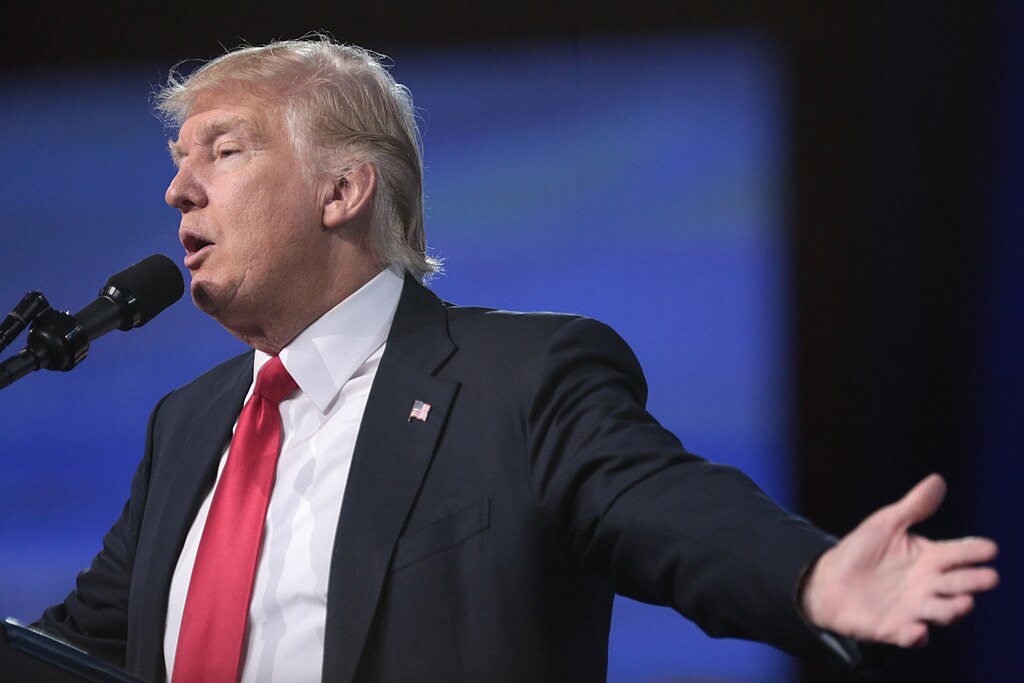
President Donald Trump announced Friday that he will introduce reciprocal tariffs next week, aiming to impose duties on U.S. imports that match those levied by trading partners. The announcement, first reported by Reuters, was later confirmed during Trump’s meeting with Japanese Prime Minister Shigeru Ishiba. While he did not specify targeted countries, he indicated that “many” would be affected.
Trump has long advocated for reciprocal tariffs, arguing they are essential for securing a “fair deal” for the U.S. He has repeatedly criticized foreign tariffs on American exports and hinted that key sectors, including steel, pharmaceuticals, and oil, could face trade restrictions.
The decision reportedly emerged during budget talks with Republican lawmakers at the White House. While specifics remain unclear, reports suggest Trump’s team sees potential tariff revenue as a means to help offset the cost of extending his 2017 tax cuts. However, tariffs historically account for only about 2% of annual U.S. government revenue, limiting their overall budgetary impact.
This move follows Trump’s recent 25% tariff announcement on Canada and Mexico, which was delayed after both nations agreed to strengthen border enforcement—one of Trump's key priorities.
The market reacted swiftly, with Wall Street extending losses on Friday as investors braced for heightened trade tensions. Increased tariffs could strain global trade relationships and impact industries reliant on imports.
Trump’s latest trade maneuver aligns with his long-standing protectionist policies, emphasizing economic nationalism. While details on the tariffs remain uncertain, the move signals a potential shift in U.S. trade policy that could have significant global repercussions.













