


 Iran Military Readiness Intensifies After Meeting With Mojtaba Khamenei
  Rubio Presses Italy Over Iran Support as Tensions Test U.S.-Italy Alliance
  Morgan Stanley Bets on Optical Component Stocks in Greater China Tech Sector
  AWS Data Center Overheating Disrupts Cloud Services in Northern Virginia
  Shell Q1 Profit Surges to Two-Year High as Dividend Rises Despite War-Driven Debt Pressure
  Trump Invites Top CEOs Including Nvidia, Apple, Boeing to China Summit With Xi Jinping
  Ukraine-Russia Ceasefire Confirmed as Prisoner Swap Deal Advances
  Senate Stablecoin Bill Sparks Clash Between Banks and Crypto Industry
  BMW Keeps 2026 Outlook Despite 25% Profit Drop Amid Tariff Pressure
  Philips Reaffirms 2026 Outlook After Strong Q1 Sales and Margin Beat
  Israeli Strikes in Gaza Kill Three as Ceasefire Tensions Continue
  UOB Q1 Profit Meets Expectations as Loan Growth Offsets Lower Interest Rates
  Russian LNG Shadow Fleet Expands Amid Arctic LNG 2 Sanctions
  Dell Stock Hits Record High After Trump Endorsement, AI Server Demand Fuels Rally
  Trump Inspects Lincoln Memorial Reflecting Pool Renovation in Washington
  US Revises UN Resolution on Iran Strait of Hormuz Attacks Amid Russia-China Opposition
  Qatar LNG Tanker Crosses Strait of Hormuz Amid Iran War Tensions


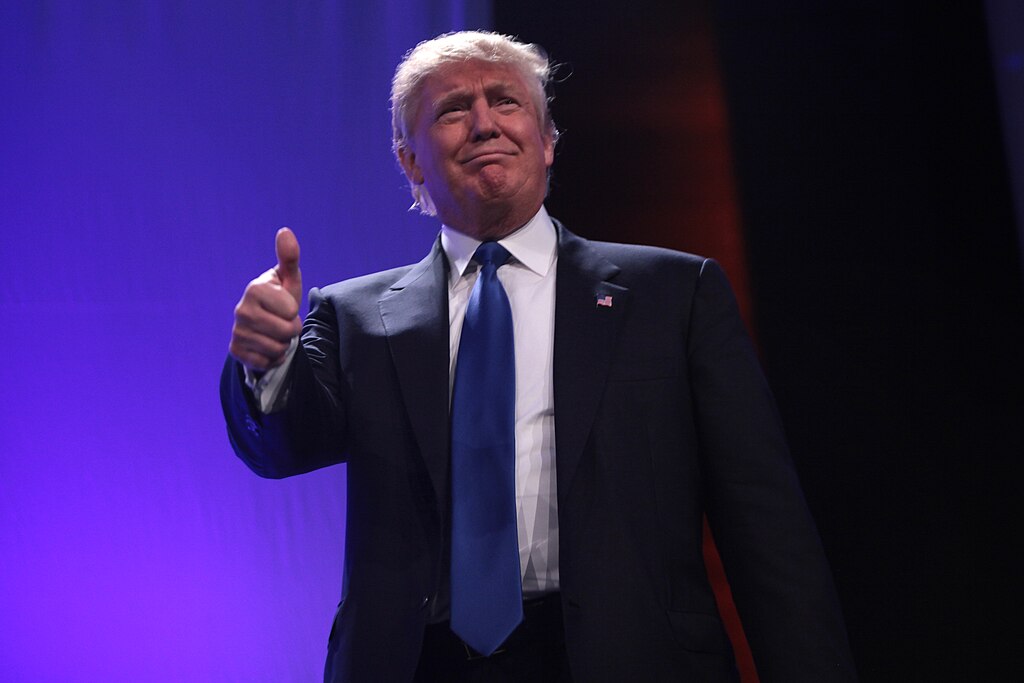
In a recent interview with Time magazine, President-elect Donald Trump announced a stringent immigration policy: the United States will cease business relations with countries that refuse to repatriate their citizens who have been ordered to leave the U.S.
This policy includes imposing substantial tariffs on imports from non-compliant nations.
Economic Sanctions as Leverage
Trump emphasized that countries unwilling to accept deported migrants would face significant economic consequences. He stated, "If they don’t take them back, we won’t do business with those countries, and we will tariff those countries very substantially."
This approach aims to compel cooperation through economic pressure.
Utilizing Military Resources for Deportations
The President-elect plans to employ military resources to assist in deporting undocumented migrants, describing the situation as an "invasion."
While legal constraints exist under the Posse Comitatus Act, Trump intends to use the National Guard and other resources to the fullest extent permitted by law.
Historical Context and Precedents
The issue of countries refusing to accept deported citizens is longstanding. In 2016, reports indicated that at least 23 countries were uncooperative in repatriating their nationals, including individuals convicted of crimes.
Previous administrations have faced challenges in addressing this problem, often resulting in the release of such individuals back into U.S. communities.
International Responses and Challenges
The Bahamas has already rejected a proposal from the Trump transition team to accept deported migrants from other countries, citing limited resources.
Similarly, Mexico is seeking agreements to ensure it does not receive third-country deportees, highlighting the complexities of international cooperation in immigration enforcement.
Public Reaction
The announcement has sparked diverse reactions on social media:
-
@PolicyWonk: "Trump's hardline stance on deportations is a bold move to enforce immigration laws."
-
@HumanRightsAdvocate: "Using economic sanctions to force countries to accept deportees raises ethical concerns."
-
@EconAnalyst: "Imposing tariffs could have unintended economic consequences for the U.S. economy."
-
@ImmigrationLawyer: "Legal challenges are likely if military resources are used for deportations."
-
@GlobalObserver: "International relations may be strained by this aggressive immigration policy."
-
@BorderSecurityNow: "It's about time we take strong action to secure our borders and enforce laws."
These reactions reflect the contentious nature of the proposed policies and the balance between national security and humanitarian considerations.







