


 US-Iran Strikes Escalate as Strait of Hormuz Crisis Pushes Oil Prices Higher
  Kitron Q2 Revenue Beats Estimates as Defense Demand Lifts Growth
  Genesis Minerals to Acquire Vault in A$5.6 Billion Deal After Regis Withdraws
  Japanese Yen Holds Steady as Intervention Hopes Grow Ahead of U.S. CPI Data
  Trump Administration Bars U.S. Travelers From Congo Flights Amid Ebola Outbreak
  DOJ Grand Jury Investigates UAW President Shawn Fain Ahead of Union Election
  Gold Price Holds Near $4,000 as Middle East Tensions and Fed Rate Hike Bets Grow
  Trump to Deliver National Address on Declassified 2020 Election Intelligence
  Australia Flags Child Safety Gaps at Apple, Meta, Google Over Online Sexual Extortion
  Singapore GDP Grows 5.7% in Q2 2026 as AI-Driven Manufacturing Boosts Economy
  Yaskawa Electric Shares Slide as Weak Profit Overshadows Strong AI Demand
  Australian Business Conditions Hold Steady as Easing Cost Pressures Face New Oil Price Risks
  Dollar Holds Steady Ahead of U.S. CPI as Oil Surge, Middle East Tensions Keep Markets on Edge
  Reuters/Ipsos Poll: Most Americans Expect U.S.-Iran War to Be Prolonged
  Asian Currencies Weaken as Stronger Dollar Weighs, Yen Supported by GPIF Repatriation Hopes
  South Korea’s KOSPI Enters Bear Market Despite Remaining 2026’s Best-Performing Major Stock Index
  US Inflation Expected to Ease in June, but Fed Rate Hike Risks Persist Amid Middle East Tensions


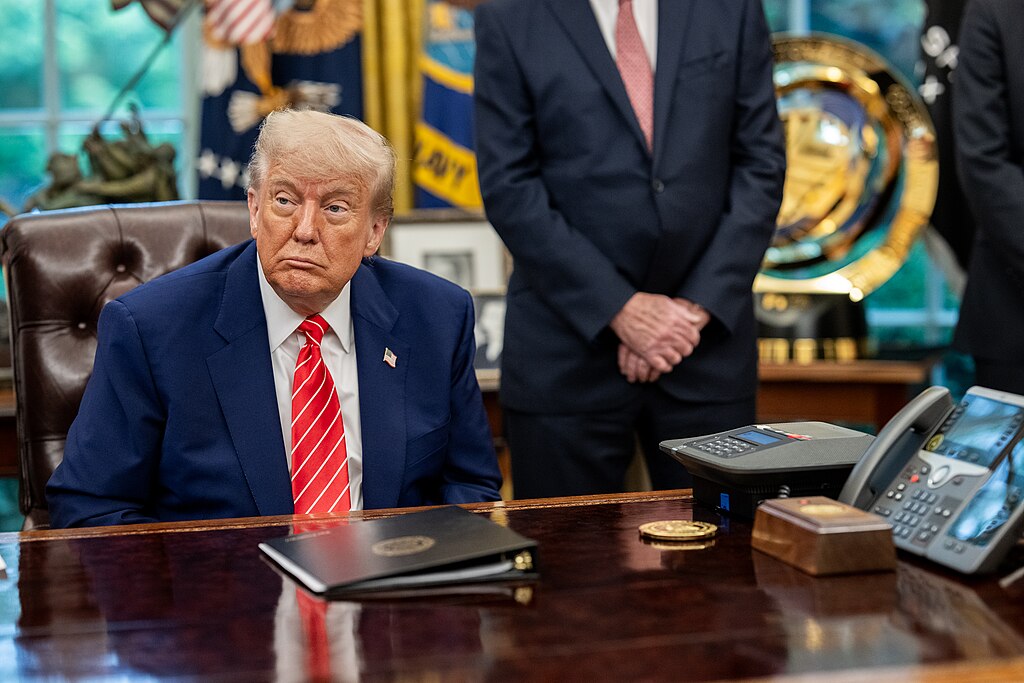
U.S. President Donald Trump has issued a stern warning to Iran, cautioning against further retaliatory attacks targeting the United States and its Middle East allies. In a recent Truth Social post, Trump stated that any additional aggression would be met with overwhelming force, declaring that the U.S. would respond “with a force that has never been seen before.” His remarks follow escalating tensions after Iran reportedly launched attacks on several Gulf nations.
Despite the reported killing of Iran’s Supreme Leader, Ayatollah Ali Khamenei, the country’s military capabilities appear to remain operational. Tehran has signaled that it is prepared to intensify strikes against neighboring countries aligned with Washington. Recent attacks have reportedly targeted key locations in the United Arab Emirates, including Dubai International Airport and the Burj Khalifa, as well as areas in Bahrain, Qatar, and Kuwait. In response, Gulf nations have warned that retaliatory measures against Iran remain on the table.
The growing conflict has already disrupted regional transportation and global trade routes. Qatar temporarily closed its main airport in Doha, while Dubai International Airport suspended operations due to security concerns. Major Middle Eastern carriers such as Emirates, Qatar Airways, and Etihad have halted flights indefinitely, creating widespread travel disruptions at one of the world’s most important aviation hubs.
The geopolitical crisis is also rattling global energy markets. Three major Japanese shipping companies—Nippon Yusen K.K., Mitsui OSK Lines, and Kawasaki Kisen Kaisha—have paused operations in the Gulf following U.S. naval warnings. Analysts at RBC Capital Markets suggest the Strait of Hormuz is now “practically closed,” a development with serious implications for global energy supply. The waterway handles roughly 20% of global LNG exports and nearly 90% of Japan’s crude oil imports.
With tensions escalating and diplomatic negotiations stalled, analysts expect crude oil prices and LNG prices to surge. Investors are closely monitoring developments in the Gulf region, as further instability could significantly impact global trade, energy markets, and international supply chains.







