


 Israeli Airstrike Kills Three in Central Gaza Despite Ceasefire
  US Supreme Court Strikes Down Hawaii Gun Carry Law on Private Property
  US Seizes Nearly 400 Illegal World Cup Streaming Domains in Global Anti-Piracy Crackdown
  U.S. Eases Iran Team Travel Restrictions Ahead of Seattle World Cup Match
  Andy Burnham Sets Out Vision to Decentralize Britain as Labour Leadership Race Begins
  Trump Questions Housing Bill as He Prioritizes SAVE America Act
  Russian Attacks Kill Four in Ukraine as Zaporizhzhia and Kharkiv Come Under Fire
  Russian Attacks on Dnipro, Zaporizhzhia, and Kharkiv Kill 10 as Ukraine Vows Response
  Trump Threatens 100% Tariffs on Countries Imposing Digital Services Taxes on U.S. Tech Firms
  Trump Orders DOJ Investigation Into Exxon, Chevron Over High Gas Prices
  US, Iran Agree to Halt Attacks Ahead of Doha Talks on Strait of Hormuz
  NTSB Investigates Boston Logan Airport Near-Miss Between Delta and American Airlines Jets
  US-Iran De-Escalation Shifts Washington’s Focus to AI Regulation and Crypto Legislation
  Johns Hopkins University Lays Off 110 Employees as Federal Research Funding Declines
  Bolivia Declares State of Emergency as Roadblock Crisis Deepens
  Super Micro Shares Slide After Taiwan Raids Over Alleged Nvidia AI Chip Smuggling Probe


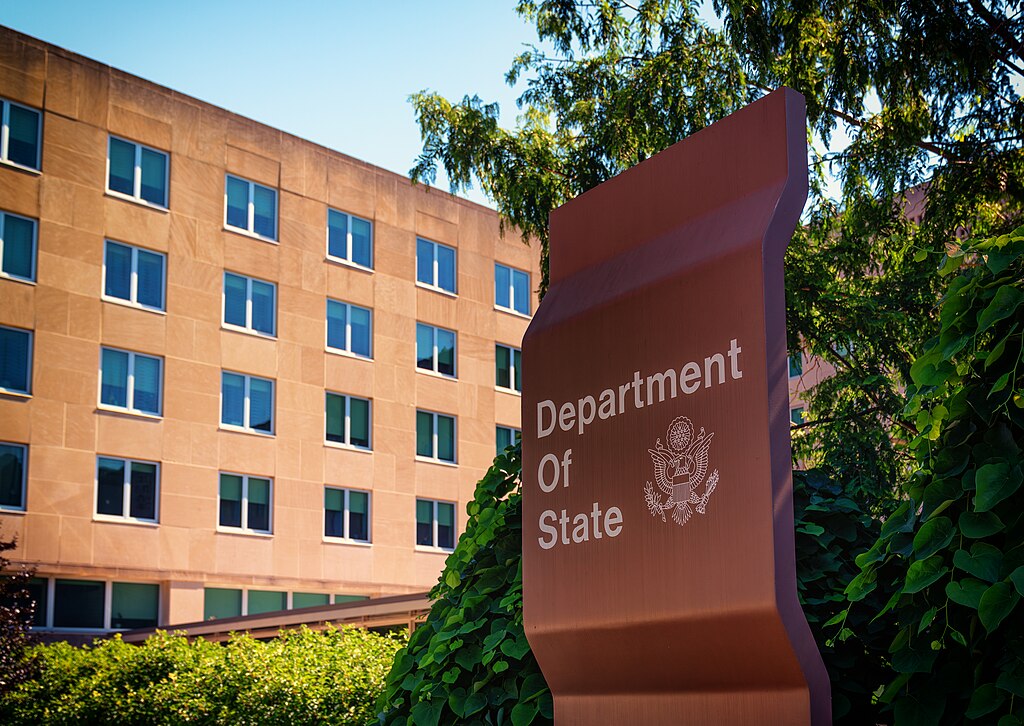
The Trump administration has intensified its crackdown on Cuba by imposing new sanctions on 11 senior Cuban officials and the country’s main intelligence agency, escalating tensions between Washington and Havana. The latest move is part of a broader U.S. strategy aimed at increasing pressure on Cuba’s communist government while restricting its economic and military support networks.
According to the U.S. Treasury and State Departments, the sanctions target several high-ranking Cuban leaders, including Communications Minister Mayra Arevich Marin, National Assembly President Juan Esteban Lazo Hernandez, and Communist Party leader Roberto Tomas Morales Ojeda. Military officials Joaquin Quintas Sola and Raul Villar Kessel were also included in the sanctions list, along with other government figures accused of supporting the regime.
The Treasury Department also designated Cuba’s Directorate of Intelligence (DI), the country’s primary intelligence service, accusing it of involvement in foreign intelligence and military activities. In addition, the State Department sanctioned Cuba’s Interior Ministry and the Policia Nacional Revolucionaria (PNR), alleging the police force was involved in suppressing protests and operating mobile detention centers.
The sanctions follow earlier measures introduced in May after President Donald Trump signed an executive order allowing broader penalties against Cuba’s economic sectors. The order also authorizes secondary sanctions on foreign financial institutions that conduct business with sanctioned Cuban entities.
The Trump administration has continued tightening restrictions on Cuba by threatening sanctions on countries supplying oil and fuel to the island, a move that has contributed to severe energy shortages and economic instability. U.S. officials argue that Cuba’s communist leadership has prioritized ideology and elite interests over the welfare of its citizens for decades.
The State Department indicated that additional sanctions and legal actions against Cuban officials are expected in the coming weeks, signaling that Washington’s pressure campaign against Cuba is far from over.







