


 Australia’s Wealthy Donors Shift Support to One Nation Amid Conservative Party Decline
  Iran Accuses U.S. of Violating Strait of Hormuz Ceasefire with Ship and Coastal Attacks
  Federal and State Authorities Conduct Widespread Fraud Raids Across Minnesota
  Judge Delays SEC Settlement With Elon Musk Over Twitter Stock Disclosure Case
  Trump Expands Cuba Sanctions Targeting Key Sectors and Foreign Entities
  Medicare to Cover GLP-1 Weight-Loss and Diabetes Drugs Starting July 1
  US-Iran Ceasefire Under Pressure as Fresh Strait of Hormuz Clashes Shake Oil Markets
  Senate Stablecoin Bill Sparks Clash Between Banks and Crypto Industry
  Judge Rules Use of Military Lawyers in Civilian Prosecutions Is Lawful
  Pope Leo Calls for Peace as Vatican Seeks Better Ties With U.S.
  Ghana Rejects U.S. Health Deal Over Data Sharing Concerns Amid Foreign Aid Shift


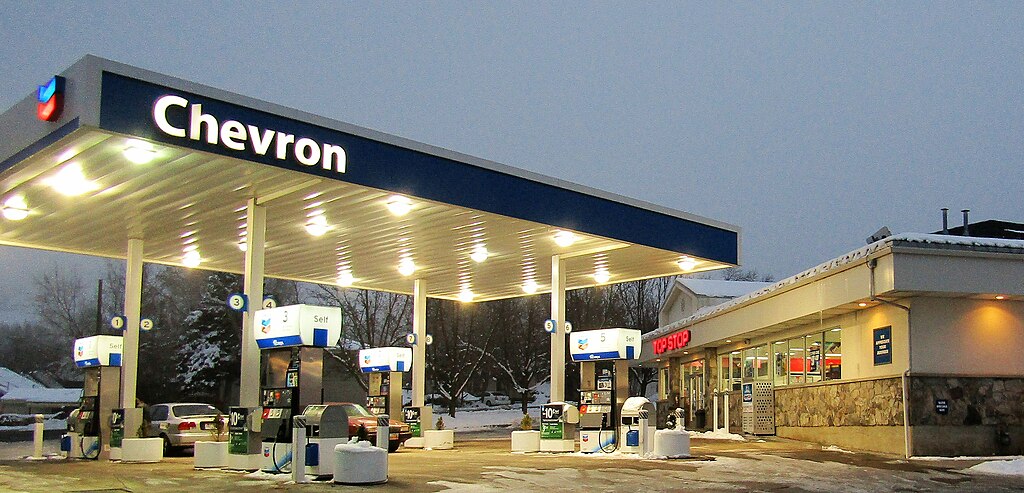
U.S. President Donald Trump has imposed a 25% tariff on all countries buying oil or gas from Venezuela, aiming to pressure foreign buyers while extending Chevron’s license to operate in the sanctioned South American nation until May 27. The new policy, effective April 2, also targets countries indirectly purchasing Venezuelan crude through third parties and will apply for a year after their last import.
The move temporarily shifts pressure away from Chevron (NYSE:CVX), which faced a March 4 deadline to exit Venezuela. Trump had originally called for the wind-down, citing President Nicolas Maduro’s lack of progress on democratic reforms and migrant repatriation. Chevron’s extension helps maintain U.S. crude imports and secures payments while avoiding a sudden collapse in Venezuela’s oil exports.
Trump, doubling down on immigration, justified the crackdown by citing alleged violent migrants from Venezuela, including members of the Tren de Aragua gang, invoking the 1798 Alien Enemies Act.
Venezuela, whose economy heavily relies on oil exports, condemned the new measure as an “arbitrary, illegal, and desperate” attack. China, the largest buyer of Venezuelan oil—receiving over 500,000 barrels per day in February—along with India, Spain, Italy, and Cuba, could be affected by the tariff.
Analysts suggest the tariffs might have a similar impact to Trump’s 2020 secondary sanctions, forcing Venezuela to offer steeper discounts and hurting its oil revenues. David Goldwyn of Goldwyn Global Strategies said the policy strikes a compromise between keeping Western firms like Chevron in Venezuela and preventing Maduro’s regime from profiting.
Ironically, the tariff may redirect global demand toward Russian crude, as countries like China and India weigh the risks of higher costs. PDVSA, Venezuela’s state oil firm, is now reorganizing joint ventures, including the Petropiar project with Chevron, to safeguard its oil exports.







