


 Australia’s Wealthy Donors Shift Support to One Nation Amid Conservative Party Decline
  U.S. Flags Vietnam as “Priority Foreign Country” Over Intellectual Property Concerns
  Panama Defends Port Takeover Amid U.S.-China Tensions and Canal Dispute
  Ghana Rejects U.S. Health Deal Over Data Sharing Concerns Amid Foreign Aid Shift
  Philips Reaffirms 2026 Outlook After Strong Q1 Sales and Margin Beat
  AI-Driven Inflation Raises U.S. Consumer Prices, Goldman Sachs Says
  Mexico President Claudia Sheinbaum Reconsiders Early School Closure Plan Ahead of 2026 World Cup
  Senate Stablecoin Bill Sparks Clash Between Banks and Crypto Industry
  Iran Accuses U.S. of Violating Strait of Hormuz Ceasefire with Ship and Coastal Attacks
  UN Experts Condemn Trump’s Cuba Fuel Blockade Amid Deepening Energy Crisis
  US to Withdraw 5,000 Troops from Germany Amid Growing Rift with European Allies
  Vietnam Plans AI-Driven Propaganda Push With Influencers and Podcasts
  Trump Administration Dismisses Entire National Science Board, Raising Concerns Over Scientific Independence
  Lula and Trump Talks Signal New Phase in Brazil-US Relations
  Trump Administration Releases New UFO Files and Apollo Mission Records
  U.S. Fast-Tracks $8.6 Billion Arms Sales to Middle East Allies Amid Rising Tensions


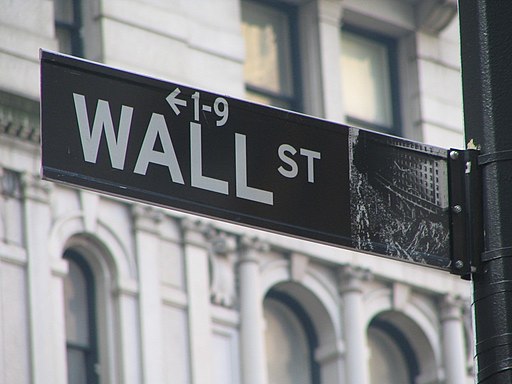
U.S. President Donald Trump on Tuesday evening signed a new executive order designed to curb Wall Street investors from buying and speculating on single-family homes, a move aimed at improving housing affordability and expanding homeownership opportunities for American families. The executive order directs the Treasury Department and the president’s economic advisors to develop an implementation framework within 60 days, signaling a significant shift in U.S. housing policy.
According to Trump, the measure seeks to preserve the supply of single-family homes for individual buyers rather than large institutional investors. He emphasized that rising home prices and limited inventory have made it increasingly difficult for middle-class and first-time buyers to enter the housing market. The order also instructs the Department of Justice and the Federal Trade Commission to closely review any “substantial acquisitions” of single-family homes by major investors, increasing regulatory scrutiny on large-scale purchases.
The announcement comes amid heightened voter concerns over the rising cost of living, housing affordability, and high mortgage rates. With mid-term elections approaching, the administration appears focused on addressing economic issues that resonate strongly with American households. Housing affordability has become a central political issue as home prices remain elevated and borrowing costs stay high.
Earlier this month, Trump also directed mortgage finance giants Fannie Mae and Freddie Mac to purchase $200 billion in mortgage-backed securities, a move intended to lower mortgage rates and ease pressure on home prices. Together, these actions reflect a broader effort by the administration to stabilize the housing market and support individual homebuyers.
Since the 2008 financial crisis, Wall Street firms such as Blackstone Inc. and American Homes 4 Rent have acquired thousands of single-family homes, capitalizing on foreclosure-driven supply. This trend has drawn criticism from voters and Democratic lawmakers, who argue that corporate homeownership has reduced inventory for families and driven up prices. Despite multiple attempts, Democrats have so far failed to pass legislation limiting corporate ownership of residential properties.
The executive order marks one of the strongest federal actions to date targeting institutional investment in housing, underscoring the administration’s stance that single-family homes should primarily serve American families rather than financial speculation.







