


 Yaskawa Electric Shares Slide as Weak Profit Overshadows Strong AI Demand
  Samsung to Launch First Yongin Chip Plant by 2029 as South Korea Speeds Up Semiconductor Hub
  Elon Musk Says Anthropic Leads AI Race as Claude Models Challenge OpenAI
  SoftBank Corp Partners With Sierra to Expand AI Customer Support Across Japan
  SK Hynix Shares Drop After Strong Nasdaq Debut Despite $26 Billion ADR Listing
  Oppenheimer Sees CNH Industrial as Top 2026 Agriculture Stock Pick on Dealer Consolidation Strategy
  Samsung Chairman Lee Jae-yong Expected to Meet Nvidia CEO Jensen Huang on AI and Chip Partnership
  UBS Starts CarTrade Tech With Buy Rating, Sees Strong Earnings Growth and ₹4,000 Target
  Australia Flags Child Safety Gaps at Apple, Meta, Google Over Online Sexual Extortion
  OpenAI Executive Fidji Simo to Step Down Amid Health Challenges Ahead of IPO
  Stellantis Q2 Vehicle Shipments Rise 10% as North America Drives Growth
  DOJ Grand Jury Investigates UAW President Shawn Fain Ahead of Union Election
  Deutsche Bank Fined A$2 Million by ASIC Over OTC Derivatives Reporting Errors
  Mastercard Explores Sale of Majority Stake in UK Payments Firm Vocalink: Report
  Goldman AM Sees Strong Buyout Opportunities in Japan, South Korea and Australia
  Nvidia Tightens AI Chip Sales in Asia With Stricter Customer Approval Process
  TSMC Q2 Revenue Surges 36% as AI Chip Demand Powers Growth Ahead of Earnings


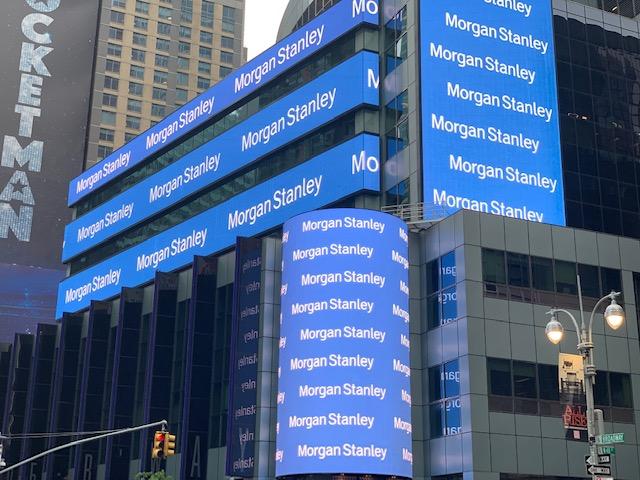
Morgan Stanley has moved to restrict investor withdrawals at its North Haven Private Income Fund (PIF), signaling growing stress across private credit markets. A recent regulatory filing revealed the Wall Street bank fulfilled only 45.8% of redemption requests during the latest quarter, capping withdrawals at 5% of outstanding shares.
The firm cited rising market volatility as justification for limiting redemptions, arguing that unrestricted withdrawals could force the fund into unwanted asset sales at unfavorable prices. According to reports from Reuters and Bloomberg referencing an investor letter from Morgan Stanley Private Credit, the bank acknowledged mounting challenges facing the broader private lending industry.
This development is far from isolated. JPMorgan recently wrote down the value of certain loans extended to private credit vehicles, while industry heavyweights BlackRock and Blackstone both reported elevated withdrawal activity at their flagship private credit funds. Perhaps most alarming, smaller asset manager Blue Owl took the more drastic step of fully halting redemptions at one of its funds just weeks prior.
A central driver behind this wave of investor exits is eroding confidence in software and technology companies, many of which serve as key borrowers within private credit portfolios. As concerns grow that artificial intelligence could disrupt traditional software business models, investors are questioning whether these companies can reliably service their debt obligations, prompting a reassessment of risk across the asset class.
Private credit, which expanded rapidly during the low-interest-rate era as an alternative to traditional bank lending, is now facing its most visible stress test in years. Morgan Stanley's decision to throttle redemptions reflects a broader industry reckoning, as fund managers attempt to balance liquidity demands against portfolio stability in an increasingly uncertain economic environment. Investors and analysts will be closely watching whether further restrictions materialize across the sector in the coming months.







