


 Amazon Stock Rebounds After Earnings as $200B Capex Plan Sparks AI Spending Debate
  CK Hutchison Launches Arbitration After Panama Court Revokes Canal Port Licences
  Trump Congratulates Japan’s First Female Prime Minister Sanae Takaichi After Historic Election Victory
  Gold and Silver Prices Slide as Dollar Strength and Easing Tensions Weigh on Metals
  SpaceX Prioritizes Moon Mission Before Mars as Starship Development Accelerates
  Baidu Approves $5 Billion Share Buyback and Plans First-Ever Dividend in 2026
  Japanese Pharmaceutical Stocks Slide as TrumpRx.gov Launch Sparks Market Concerns
  Asian Markets Surge as Japan Election, Fed Rate Cut Bets, and Tech Rally Lift Global Sentiment
  U.S.-India Trade Framework Signals Major Shift in Tariffs, Energy, and Supply Chains
  Weight-Loss Drug Ads Take Over the Super Bowl as Pharma Embraces Direct-to-Consumer Marketing
  Nvidia, ByteDance, and the U.S.-China AI Chip Standoff Over H200 Exports
  Trump Backs Nexstar–Tegna Merger Amid Shifting U.S. Media Landscape
  Bosnian Serb Presidential Rerun Confirms Victory for Dodik Ally Amid Allegations of Irregularities
  Trump Says “Very Good Talks” Underway on Russia-Ukraine War as Peace Efforts Continue
  Alphabet’s Massive AI Spending Surge Signals Confidence in Google’s Growth Engine
  Toyota’s Surprise CEO Change Signals Strategic Shift Amid Global Auto Turmoil
  Trump’s Inflation Claims Clash With Voters’ Cost-of-Living Reality


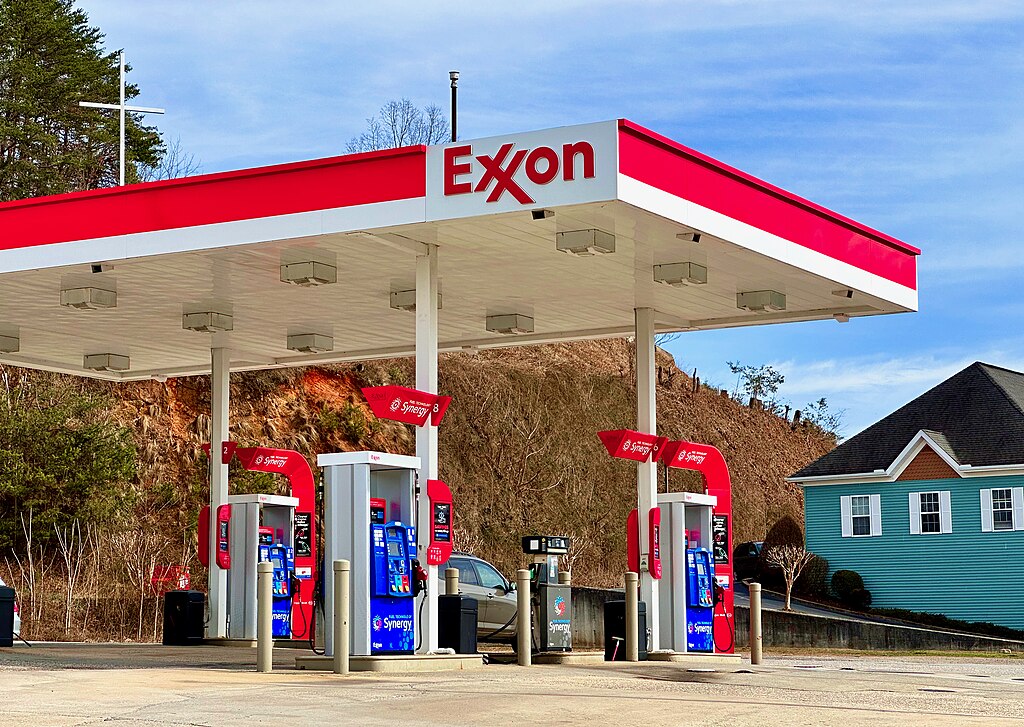
U.S. President Donald Trump met with executives from major American and international oil companies at the White House on Friday to promote a bold plan aimed at reviving Venezuela’s oil industry through up to $100 billion in private investment. The meeting followed a dramatic U.S. military operation earlier this month that resulted in the capture of Venezuelan leader Nicolas Maduro, signaling a major shift in U.S. policy toward the oil-rich South American nation.
Speaking alongside leaders from Exxon Mobil, Chevron, ConocoPhillips and other energy firms, Trump emphasized that oil development is central to his administration’s strategy for Venezuela. He said American companies would be given opportunities to rebuild the country’s deteriorating energy infrastructure and dramatically expand oil production to levels “never seen before.” Trump added that the U.S. government would play a key role in deciding which companies are allowed to invest.
As part of ongoing negotiations, Trump highlighted an agreement with Venezuela’s interim leadership to supply 50 million barrels of crude oil to the United States. He said deliveries are expected to continue indefinitely, helping lower U.S. energy prices, especially for refineries designed to process Venezuelan crude. U.S. forces have also continued seizing Venezuelan oil tankers to enforce an embargo, with the fifth seizure announced Friday.
Despite the administration’s assurances, oil companies remain cautious. Exxon CEO Darren Woods described Venezuela as “uninvestable” under current conditions, citing past asset seizures and political instability. However, he expressed confidence that changes could occur under close cooperation between Washington and Venezuela’s new leadership. Chevron, the only major U.S. oil company still operating in Venezuela, reaffirmed its commitment to the country.
Decades of underinvestment have reduced Venezuela’s oil output to about 1% of global supply, despite holding the world’s largest proven reserves. Trump said the U.S. would guarantee both physical and financial security for investors, and Energy Secretary Chris Wright suggested the Export-Import Bank could help finance projects to reduce risk.
Trump concluded by stressing that talks are focused on securing firm investment commitments, framing the plan as mutually beneficial for Venezuela, U.S. companies and American economic interests.













