


 US to Withdraw 5,000 Troops from Germany Amid Growing Rift with European Allies
  Australia Launches Public Hearings on Bondi Beach Shooting and Rising Antisemitism
  Trump Administration Dismisses Entire National Science Board, Raising Concerns Over Scientific Independence
  China Banks Halt New Loans to Sanctioned Refineries Amid U.S.-Iran Oil Crackdown
  Mexico President Claudia Sheinbaum Reconsiders Early School Closure Plan Ahead of 2026 World Cup
  US House Advances $70 Billion Immigration Enforcement Budget Plan
  Trump Inspects Lincoln Memorial Reflecting Pool Renovation in Washington
  U.S.-China Beef Trade Deal Hopes Rise Ahead of Trump-Xi Summit
  China-Made Fireworks Power U.S. Independence Day Celebrations Amid Trade Truce
  CDC Monitors U.S. Travelers After Hantavirus Outbreak on Luxury Cruise Ship
  Brazil Pension Fund Crackdown After Banco Master Collapse Raises Investment Concerns
  Trump Invites Top CEOs Including Nvidia, Apple, Boeing to China Summit With Xi Jinping
  Trump Administration Releases New UFO Files and Apollo Mission Records
  Lula and Trump Talks Signal New Phase in Brazil-US Relations
  Judge Rules Use of Military Lawyers in Civilian Prosecutions Is Lawful
  TikTok Nears $400 Million Settlement With Trump Administration Over Child Privacy Lawsuit


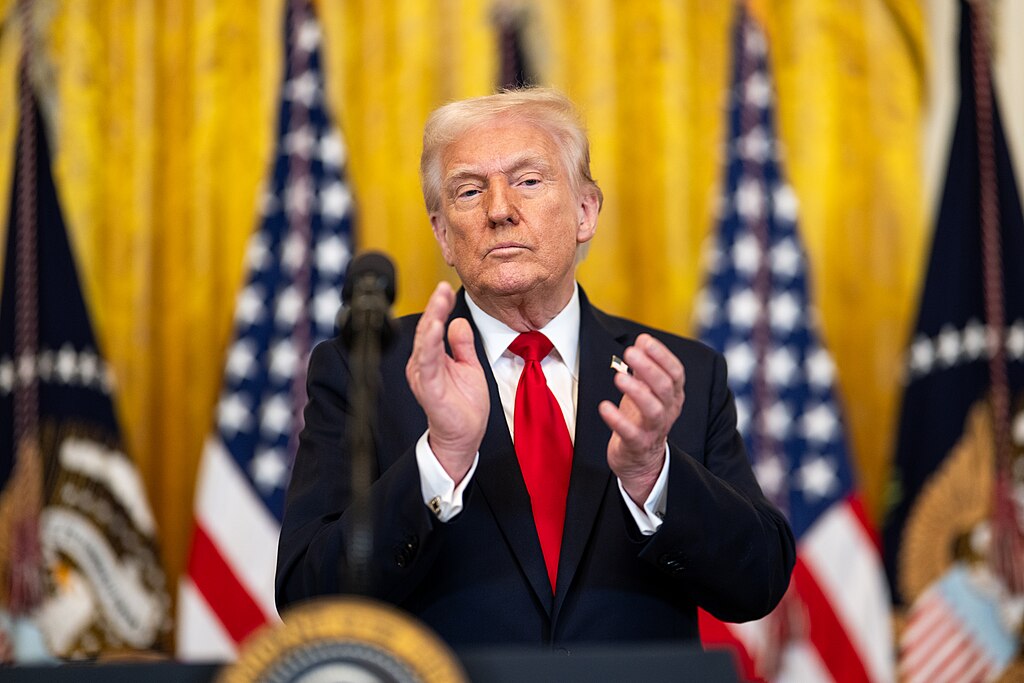
U.S. President Donald Trump announced Friday that he ordered two nuclear submarines to be deployed to “appropriate regions” following remarks by former Russian President Dmitry Medvedev about potential nuclear conflict. Trump called Medvedev’s statements “provocative” and said the move was to ensure U.S. security amid rising tensions with Moscow.
The announcement marks a sharp rhetorical escalation but not necessarily a military shift, analysts say, as U.S. nuclear-powered submarines are routinely deployed worldwide and remain capable of striking Russia at all times. The United States maintains 14 Ohio-class submarines, each armed with Trident II D5 ballistic missiles, with eight to ten typically at sea.
Medvedev, now deputy chairman of Russia’s Security Council, recently warned Trump to “remember” Moscow’s nuclear strike capabilities after Trump demanded Russia agree to a Ukraine ceasefire within ten days or face tariffs. Trump responded on social media, emphasizing the risks of “unintended consequences” from inflammatory rhetoric.
Security experts criticized Trump’s public comments, noting Washington has historically avoided nuclear threats to prevent escalation. “This is irresponsible,” said Daryl Kimball of the Arms Control Association. Hans Kristensen of the Federation of American Scientists added U.S. submarines are “always positioned,” calling Trump’s order largely symbolic.
While Trump’s remarks highlight his frustration with President Vladimir Putin’s failure to negotiate an end to the three-year Ukraine war, U.S. officials downplayed immediate risks of nuclear conflict. Analysts view the move as signaling rather than preparation for confrontation, with little expectation it will alter Russia’s stance on Ukraine peace talks.
The Kremlin has given no indication it will meet Trump’s August 8 deadline for a ceasefire. Putin said Friday Moscow favored continued negotiations but claimed battlefield momentum remains with Russia.







