


 Salesforce Shares Surge as AI Demand Powers Q2 Earnings Beat
  Nvidia Reportedly Eyes $13 Billion Hugging Face Acquisition
  Guatemala Receives 2,300 Mexicans Deported From US
  Pinterest Stock Falls as CFO Julia Brau Donnelly Resigns
  Trump Orders Reduction in U.S.-South Korea Military Drills, Citing Kim Jong Un Ties
  Unitree Shares Plunge 45% After Blockbuster IPO, Raising China Tech Bubble Fears
  Senate Majority Leader John Thune Moves to Advance Crypto Clarity Act
  SEC Sues Former Tricolor Executives Over $1.9 Billion Investor Fraud Scheme
  ICE Awards $16.7M Contract for Electric Shock Gloves
  New Zealand Moves to Ban Social Media for Children Under 16
  US Tightens Cuba Sanctions, Targets Officials and State Entities
  Finland’s Stubb Says Russia Unlikely to Attack NATO
  Alibaba Raises $10.2 Billion to Expand AI Infrastructure
  South Korea, Japan and US Plan Joint Military Drills
  U.S. Probes Apex Logistics Over Nvidia AI Chip Shipments to China
  US Sailor’s Father Detained by Immigration Authorities


 Add as a preferred source on Google
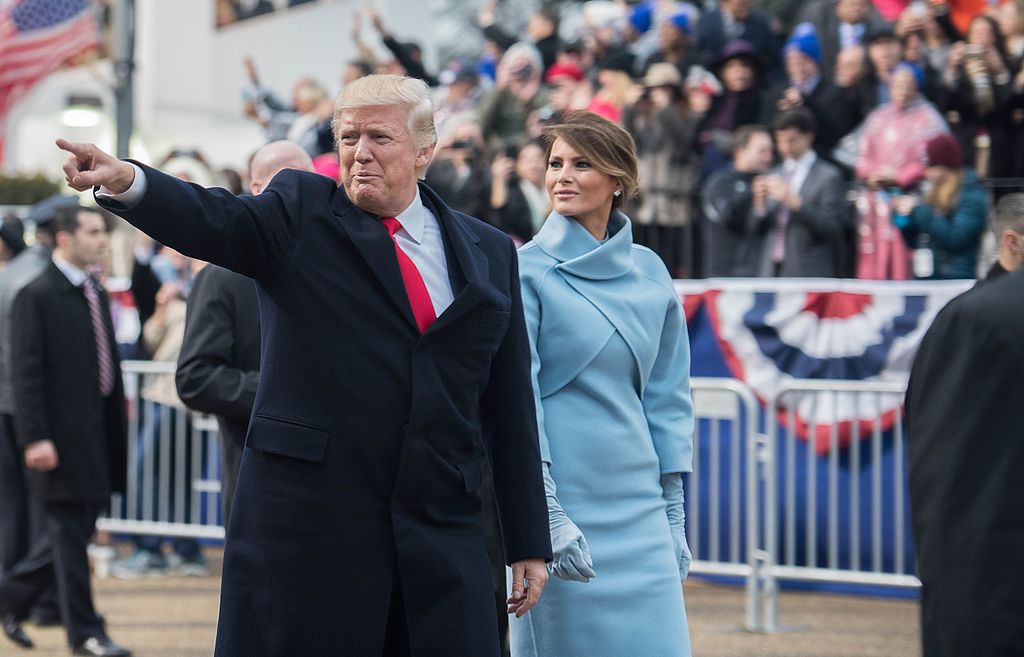
President Donald Trump has signed an executive order requiring federal employees to return to in-person work five days a week, reversing remote work policies established during the COVID-19 pandemic. Announced at Washington's Capital One Arena, the directive aims to terminate telework arrangements "as soon as practicable," while allowing agency heads to make exemptions as deemed necessary.
The order is part of broader efforts to reshape the federal workforce. Paired with a hiring freeze and the creation of the Department of Government Efficiency (DOGE), chaired by Tesla CEO Elon Musk, the initiative seeks to reduce government size and cut costs. Trump allies suggest the changes are designed to streamline operations and enable the replacement of long-serving employees with administration loyalists.
While critics warn the mandate could trigger an exodus of frustrated employees, Musk has welcomed the possibility, predicting voluntary resignations will follow the removal of "COVID-era privileges." Approximately 46% of federal workers, or 1.1 million employees, are eligible for remote work, with 228,000 working fully remotely, according to an August White House report.
Unionized employees, comprising about 25% of the federal workforce, may retain remote or hybrid arrangements under current bargaining agreements. However, Trump’s Office of Management and Budget nominee Russell Vought has hinted at reviewing these agreements, expressing concerns over deals made during the Biden administration.
Supporters argue the return-to-office mandate will increase efficiency and accountability, while opponents criticize it as an attempt to gut the civil service. As the order takes effect, its impact on federal operations and employee morale remains to be seen.







