


 Trump Tariffs Show Minimal Economic Impact but Boost Federal Revenue, Study Finds
  Jay Bhattacharya to Continue Leading CDC as White House Searches for Permanent Director
  Middle East War Rattles Global Markets as Oil Tops $100 and Dollar Surges
  US-Iran Ceasefire Talks Underway: What You Need to Know
  Russia Strikes Kharkiv and Izmail as Cross-Border Drone War Escalates
  U.S. Stock Futures Steady as Iran Reviews U.S. Ceasefire Proposal
  Trump Says Iran Offered Major Energy Concession Amid Ongoing Negotiations
  Trump Administration Opens Two New Investigations Into Harvard Over Discrimination and Antisemitism
  Trump Votes by Mail Despite Calling It "Cheating" as Democrat Wins Mar-a-Lago District
  Asian Stocks Gain Amid Iran Conflict Uncertainty
  Israel Eyes Litani River as New Border Amid Escalating Lebanon Offensive
  Denmark Election 2026: Frederiksen Eyes Third Term Amid Trump-Greenland Tensions
  Bank of Japan Officials Signal Continued Interest Rate Hikes Amid Inflation Concerns
  Trump Administration Settles Lawsuit Barring Federal Agencies from Pressuring Social Media Censorship
  Australia-EU Free Trade Deal Signed After Years of Negotiations
  WTO Reform Talks Begin in Cameroon Amid Global Trade Tensions
  Oil Prices Climb as Iran Reviews U.S. Peace Proposal Amid Middle East Tensions


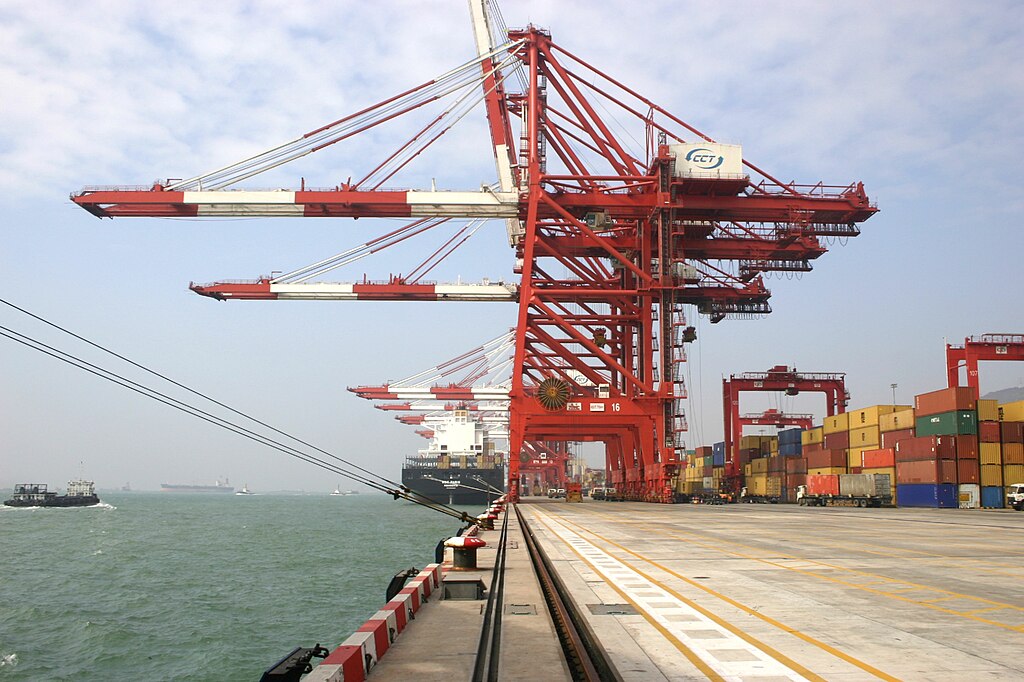
U.S. President Donald Trump announced on Tuesday that he is considering imposing 10% tariffs on Chinese imports starting February 1. Speaking at a White House event, Trump cited concerns over the flow of illicit drugs, including fentanyl, from China to the U.S. via Mexico and Canada.
Trump also mentioned potential tariffs of up to 25% on imports from Mexico and Canada, emphasizing similar concerns. Additionally, he raised the possibility of targeting the European Union with tariffs, citing trade imbalances with the U.S.
During his presidential campaign, Trump vowed to impose steep tariffs to strengthen U.S. trade dominance, threatening rates as high as 60% on China and 100% on Mexico and Canada. However, contrary to expectations, he refrained from issuing any tariff-related executive orders on his first day in office.
The proposed 10% tariff on Chinese imports is significantly lower than Trump’s campaign promises. Nonetheless, this move aligns with his broader strategy to address trade imbalances and curb drug trafficking through economic measures.
Trump’s statements reflect his commitment to reshaping trade policies and protecting domestic industries while tackling critical issues like drug smuggling. However, his approach has sparked debates over potential repercussions for global trade and U.S. relations with major economies.
The proposed tariffs, if implemented, could have wide-reaching effects on international trade dynamics, particularly with China, Mexico, Canada, and the EU. Businesses and global markets are closely watching for further developments as the February 1 deadline approaches.
Trump’s tariff threats signal his administration's focus on leveraging trade measures to address economic and national security concerns, setting the tone for his presidency’s trade agenda.













