


 Trump Seeks Quick End to U.S.-Iran Conflict Amid Ongoing Middle East Tensions
  Russia Strikes Kharkiv and Izmail as Cross-Border Drone War Escalates
  Trump Votes by Mail Despite Calling It "Cheating" as Democrat Wins Mar-a-Lago District
  US-Iran Ceasefire Talks Underway: What You Need to Know
  US Accelerates Taiwan Arms Deliveries Amid Rising China Threat
  Trump Says Iran Offered Major Energy Concession Amid Ongoing Negotiations
  Cuba Receives Humanitarian Aid Convoy Amid U.S. Sanctions
  Kristi Noem Ends Western Hemisphere Tour in Diminished Role After DHS Firing
  Denmark Election 2026: Frederiksen Eyes Third Term Amid Trump-Greenland Tensions
  Trump Backs Down on Iran Strikes After Gulf Allies Sound the Alarm
  Maduro Faces Rare Narcoterrorism Charges in U.S. Court
  G7 Foreign Ministers Gather in France Amid Global Tensions and U.S. Policy Uncertainty
  Iran-Israel Missile Strikes Continue Amid Mixed Signals on U.S.-Iran Diplomacy
  Denmark Election 2025: Social Democrats Suffer Historic Losses Amid Migration and Cost-of-Living Tensions
  WTO Reform Talks Begin in Cameroon Amid Global Trade Tensions
  Israel Eyes Litani River as New Border Amid Escalating Lebanon Offensive
  Trump to Visit China in May for High-Stakes Xi Summit Amid Iran War


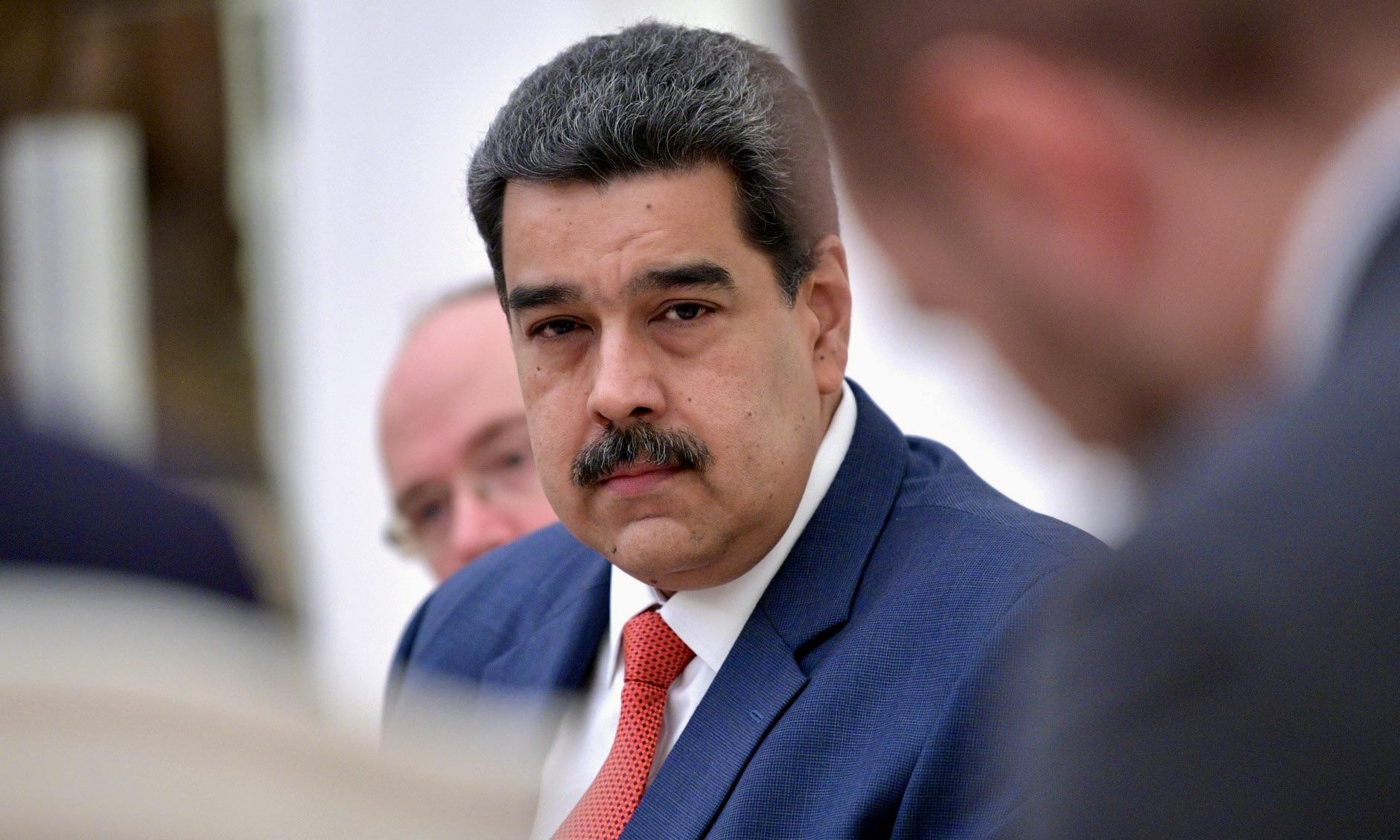
U.S. President Donald Trump confirmed on Sunday that he recently spoke with Venezuelan President Nicolas Maduro, acknowledging the call but declining to share details about their discussion. Speaking to reporters aboard Air Force One, Trump said simply, “The answer is yes,” when asked whether the conversation took place, adding that he would not characterize the tone of the call beyond noting it was “a phone call.”
The New York Times first reported that Trump and Maduro spoke earlier this month, allegedly discussing the possibility of a future meeting in the United States. The revelation adds a new layer to an already tense relationship, as Washington continues to exert pressure on Maduro’s government while simultaneously signaling a willingness to explore diplomatic openings.
Over the weekend, Trump intensified his rhetoric by declaring that airspace above and around Venezuela should be considered “closed in its entirety,” a statement that sparked confusion and concern in Caracas. When questioned about whether such comments suggested imminent military action, Trump responded, “Don’t read anything into it,” leaving officials and analysts uncertain about U.S. intentions.
U.S. officials have continued to accuse Maduro of enabling drug trafficking operations that harm Americans—charges the Venezuelan leader firmly denies. Reuters has reported that the Trump administration is evaluating several Venezuela-related options, including efforts aimed at removing Maduro from power. The U.S. military has already increased its presence in the Caribbean, carrying out months of strikes on suspected drug-smuggling vessels near Venezuelan waters.
Human rights groups have criticized these operations, calling them unlawful and warning that they could amount to extrajudicial killings. Trump said he would investigate reports that a second strike in September targeted survivors, adding he “would not have wanted” such an outcome. Defense Secretary Pete Hegseth has defended the missions as legal and intentionally “lethal.”
Maduro and Venezuelan officials have not publicly addressed the reported phone call. Jorge Rodriguez, head of Venezuela’s National Assembly, declined to comment when asked, saying his focus was on announcing an investigation into U.S. military actions in the Caribbean.













