


 Japan Election 2026: Sanae Takaichi Poised for Landslide Win Despite Record Snowfall
  Norway Opens Corruption Probe Into Former PM and Nobel Committee Chair Thorbjoern Jagland Over Epstein Links
  South Korea Assures U.S. on Trade Deal Commitments Amid Tariff Concerns
  TrumpRx.gov Highlights GLP-1 Drug Discounts but Offers Limited Savings for Most Americans
  US Pushes Ukraine-Russia Peace Talks Before Summer Amid Escalating Attacks
  Netanyahu to Meet Trump in Washington as Iran Nuclear Talks Intensify
  Trump Signs Executive Order Threatening 25% Tariffs on Countries Trading With Iran
  Trump’s Inflation Claims Clash With Voters’ Cost-of-Living Reality
  Trump Says “Very Good Talks” Underway on Russia-Ukraine War as Peace Efforts Continue
  Trump Lifts 25% Tariff on Indian Goods in Strategic U.S.–India Trade and Energy Deal
  New York Legalizes Medical Aid in Dying for Terminally Ill Patients
  India–U.S. Interim Trade Pact Cuts Auto Tariffs but Leaves Tesla Out
  Trump Allows Commercial Fishing in Protected New England Waters
  TrumpRx Website Launches to Offer Discounted Prescription Drugs for Cash-Paying Americans
  Nighttime Shelling Causes Serious Damage in Russia’s Belgorod Region Near Ukraine Border
  U.S. Lawmakers to Review Unredacted Jeffrey Epstein DOJ Files Starting Monday
  Ohio Man Indicted for Alleged Threat Against Vice President JD Vance, Faces Additional Federal Charges


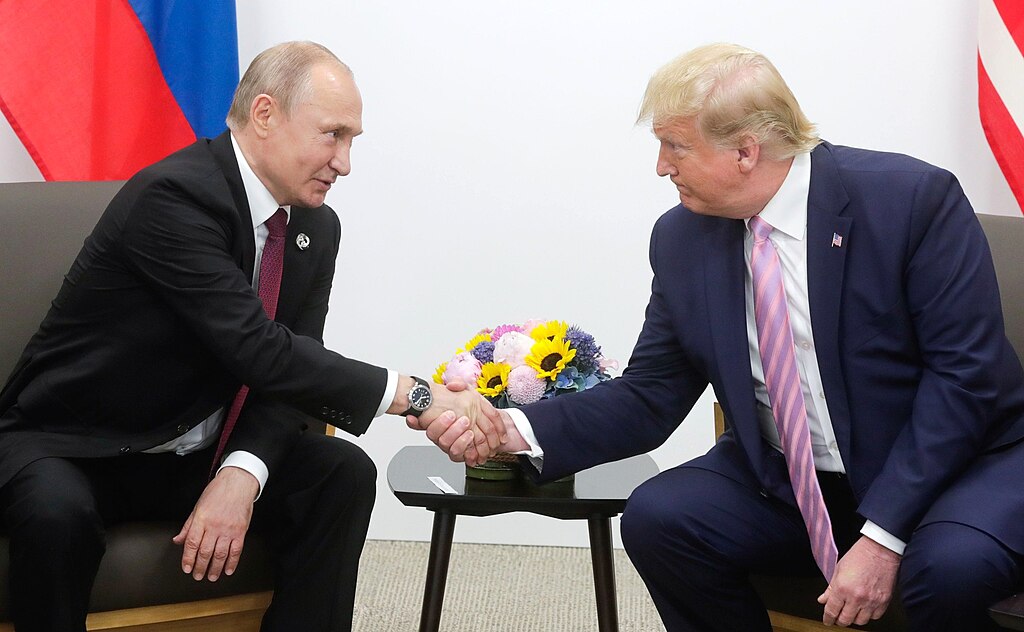
Former U.S. President Donald Trump said on Thursday that Russian President Vladimir Putin agreed to temporarily halt attacks on Kyiv and other Ukrainian cities for one week due to severe winter weather, according to remarks Trump made during a Cabinet meeting.
Trump stated that he personally requested the pause during a phone call with Putin, citing “extraordinary cold” conditions affecting Ukraine and surrounding regions. According to Trump, the agreement was reached despite skepticism from others who believed such a request would be unsuccessful. “A lot of people said, ‘Don’t waste the call, you’re not going to get that,’” Trump said, adding that Putin ultimately agreed to the request. Trump described the exchange as “very nice,” emphasizing the humanitarian aspect of the decision.
The comments have drawn significant attention as they touch on the ongoing Russia-Ukraine conflict and Trump’s claimed direct involvement in discussions with the Russian leader. The idea of a temporary pause in military action due to extreme weather highlights the impact that harsh winter conditions can have on civilian populations, infrastructure, and military operations. Kyiv and other Ukrainian cities have faced repeated missile and drone attacks since the start of the war, with energy facilities and residential areas frequently targeted.
Trump did not provide further details on how the agreement would be monitored or enforced, nor did he clarify whether Ukrainian officials were consulted or informed in advance. The White House has not independently confirmed the claim, and there was no immediate comment from the Kremlin or Ukrainian government regarding the alleged pause in attacks.
The statement has fueled debate among political analysts and observers, particularly as Trump remains a central figure in U.S. politics and foreign policy discussions. Supporters argue the claim demonstrates Trump’s ability to negotiate directly with world leaders, while critics question the accuracy and diplomatic implications of the remarks.
As the conflict continues and winter conditions persist, any reduction in hostilities, even temporary, could provide critical relief to civilians facing power shortages, freezing temperatures, and ongoing security risks. The situation remains closely watched as global attention stays focused on developments in Ukraine and the broader geopolitical consequences.













