


 Trump Allows Commercial Fishing in Protected New England Waters
  RBI Holds Repo Rate at 5.25% as India’s Growth Outlook Strengthens After U.S. Trade Deal
  Oil Prices Slide on US-Iran Talks, Dollar Strength and Profit-Taking Pressure
  China Approves First Import Batch of Nvidia H200 AI Chips Amid Strategic Shift
  US Pushes Ukraine-Russia Peace Talks Before Summer Amid Escalating Attacks
  Federal Judge Restores Funding for Gateway Rail Tunnel Project
  Jack Lang Resigns as Head of Arab World Institute Amid Epstein Controversy
  Global Markets Slide as AI, Crypto, and Precious Metals Face Heightened Volatility
  Japanese Pharmaceutical Stocks Slide as TrumpRx.gov Launch Sparks Market Concerns
  Hims & Hers Halts Compounded Semaglutide Pill After FDA Warning
  Trump Signs Executive Order Threatening 25% Tariffs on Countries Trading With Iran
  Trump Threatens 50% Tariff on Canadian Aircraft Amid Escalating U.S.-Canada Trade Dispute
  Trump Proposes Two-Year Shutdown of Kennedy Center Amid Ongoing Turmoil
  Norway Opens Corruption Probe Into Former PM and Nobel Committee Chair Thorbjoern Jagland Over Epstein Links
  Trump Endorses Japan’s Sanae Takaichi Ahead of Crucial Election Amid Market and China Tensions
  Trump Lifts 25% Tariff on Indian Goods in Strategic U.S.–India Trade and Energy Deal
  Trump’s Inflation Claims Clash With Voters’ Cost-of-Living Reality


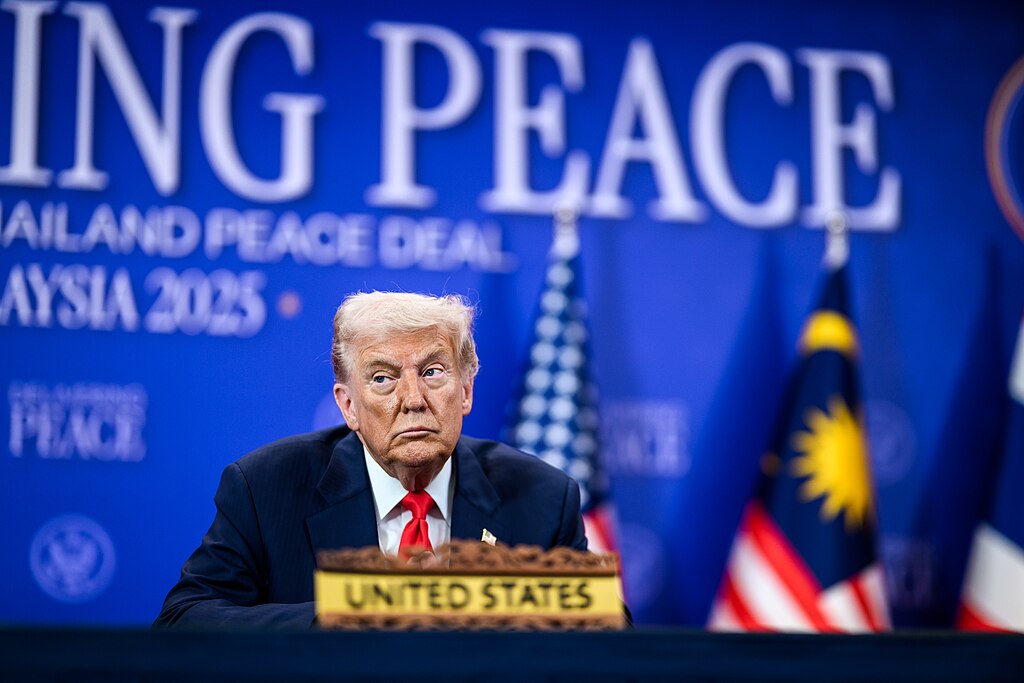
U.S. President Donald Trump announced on Monday that the United States will impose a sweeping 25% tariff on any country that continues to do business with Iran, significantly escalating Washington’s economic pressure on Tehran and its global trade partners. The statement, made via Trump’s Truth Social account, underscores a hardline approach toward Iran and signals potential disruptions to international trade relationships involving the U.S. market.
According to Trump, the new tariff policy takes effect immediately and applies broadly to “any and all business” conducted between the United States and countries that maintain commercial ties with the Islamic Republic of Iran. He emphasized the firmness of the decision, stating that the order is “final and conclusive,” leaving little room for negotiation or exemptions. The announcement was later reported by Reuters, drawing swift attention from global markets, policymakers, and international businesses.
This move aligns with Trump’s long-standing strategy of using tariffs and economic sanctions as tools of foreign policy, particularly toward Iran. During his presidency, Trump withdrew the U.S. from the Iran nuclear deal and reimposed strict sanctions aimed at curbing Iran’s oil exports and limiting its access to global financial systems. The latest tariff threat expands that pressure beyond Iran itself, targeting third-party countries and companies that engage in trade with Tehran.
The potential impact of the 25% tariff could be far-reaching. Countries that rely heavily on trade with both the United States and Iran may face difficult strategic choices, while multinational corporations could see higher costs, disrupted supply chains, and increased regulatory uncertainty. Analysts note that such tariffs could also provoke retaliatory measures, potentially intensifying global trade tensions.
From an economic standpoint, the announcement may influence currency markets, commodity prices, and investor sentiment, particularly in sectors linked to energy, manufacturing, and international trade. As businesses and governments assess their exposure, Trump’s declaration adds another layer of complexity to an already volatile geopolitical and economic landscape.
The coming days are likely to bring further clarification, reactions from affected countries, and responses from global markets as the implications of the proposed U.S. tariff policy continue to unfold.













