


 Trump Administration Dismisses Entire National Science Board, Raising Concerns Over Scientific Independence
  Medicare to Cover GLP-1 Weight-Loss and Diabetes Drugs Starting July 1
  Senate Stablecoin Bill Sparks Clash Between Banks and Crypto Industry
  U.S. Sanctions Former DR Congo President Joseph Kabila Over Rebel Support
  Trump Invites Top CEOs Including Nvidia, Apple, Boeing to China Summit With Xi Jinping
  Trump Administration Dismisses Entire National Science Board, Sparking Debate Over Scientific Independence
  Trump Announces Russia-Ukraine Ceasefire for May 9-11 Amid Ongoing Peace Talks
  Federal and State Authorities Conduct Widespread Fraud Raids Across Minnesota
  Trump Says U.S. Navy Destroyers Passed Strait of Hormuz Under Iranian Fire
  US Launches Retaliatory Strikes on Iran Amid Rising Strait of Hormuz Tensions
  Brazil Pension Fund Crackdown After Banco Master Collapse Raises Investment Concerns
  Google Secures Pentagon AI Deal for Classified Projects
  Vietnam Plans AI-Driven Propaganda Push With Influencers and Podcasts
  US Adds European Union to Section 301 Watchlist Amid Trade Concerns
  Trump Inspects Lincoln Memorial Reflecting Pool Renovation in Washington
  FEMA Reinstates Employees After Dissent Letter, Signaling Shift in Workforce Stability
  Russian LNG Shadow Fleet Expands Amid Arctic LNG 2 Sanctions


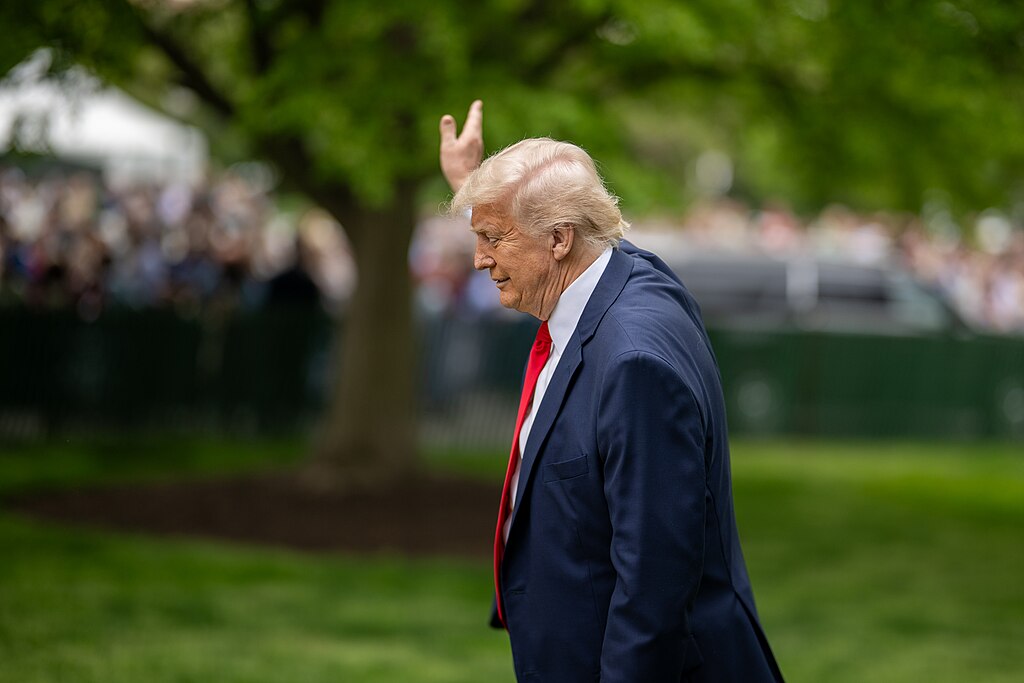
U.S. President Donald Trump announced a new policy direction on Tuesday, stating that his administration plans to revoke the citizenship of naturalized immigrants who are convicted of defrauding American citizens. The remarks were delivered during a speech at the Detroit Economic Club, where Trump outlined what he described as a broader effort to strengthen accountability within the U.S. immigration and naturalization system.
According to the president, the proposed action would apply to naturalized citizens from any country who are found guilty of committing fraud against Americans. While emphasizing that the policy is intended to be universal, Trump specifically referenced Somalia during his speech, drawing attention to concerns his administration has repeatedly raised about immigration enforcement and national security.
“We’re also going to revoke the citizenship of any naturalized immigrant from Somalia or anywhere else who is convicted of defrauding our citizens,” Trump said, underscoring that the focus is on criminal behavior rather than nationality alone. The statement reflects the administration’s continued emphasis on law and order, particularly in cases involving financial crimes, identity theft, or large-scale fraud schemes targeting U.S. residents.
Citizenship revocation, also known as denaturalization, is a legal process that already exists under U.S. law, typically reserved for cases where citizenship was obtained through false statements or concealment of material facts. Trump’s comments suggest a possible expansion or more aggressive use of this authority, especially in cases where fraud directly harms American citizens.
The announcement has sparked debate among legal experts, immigrant advocacy groups, and political analysts. Supporters argue that revoking citizenship for serious crimes protects the integrity of the naturalization process and deters future offenses. Critics, however, warn that such policies could raise constitutional concerns, create fear within immigrant communities, and lead to uneven enforcement.
As of now, the administration has not released detailed guidelines on how the policy would be implemented or whether new legislation would be required. Nonetheless, Trump’s remarks signal a continued hardline approach to immigration and naturalized citizenship, an issue that remains central to his political agenda and public messaging.







