


 US Adds European Union to Section 301 Watchlist Amid Trade Concerns
  New York Moves to Ban Masked Law Enforcement During Immigration Operations
  Judge Delays SEC Settlement With Elon Musk Over Twitter Stock Disclosure Case
  Ukraine-Russia Ceasefire Confirmed as Prisoner Swap Deal Advances
  U.S., South Korea Launch Shipbuilding Partnership Initiative
  US Sanctions Target Iran’s Shadow Banking Network and Terror Financing
  Vietnam Plans AI-Driven Propaganda Push With Influencers and Podcasts
  Trump Inspects Lincoln Memorial Reflecting Pool Renovation in Washington
  Ghana Rejects U.S. Health Deal Over Data Sharing Concerns Amid Foreign Aid Shift
  Dominican Republic Halts GoldQuest Mining Project Amid Environmental Protests
  US House Advances $70 Billion Immigration Enforcement Budget Plan
  Israeli Strikes in Gaza Kill Three as Ceasefire Tensions Continue
  Rubio Approves $25.8 Billion Weapons Sale to Middle East Allies
  Australia Targets Meta, Google, and TikTok With New News Payment Tax Proposal
  Malaysia Unveils Energy Security Plan Amid Iran Conflict and Rising Oil Costs
  Trump Administration Releases New UFO Files and Apollo Mission Records


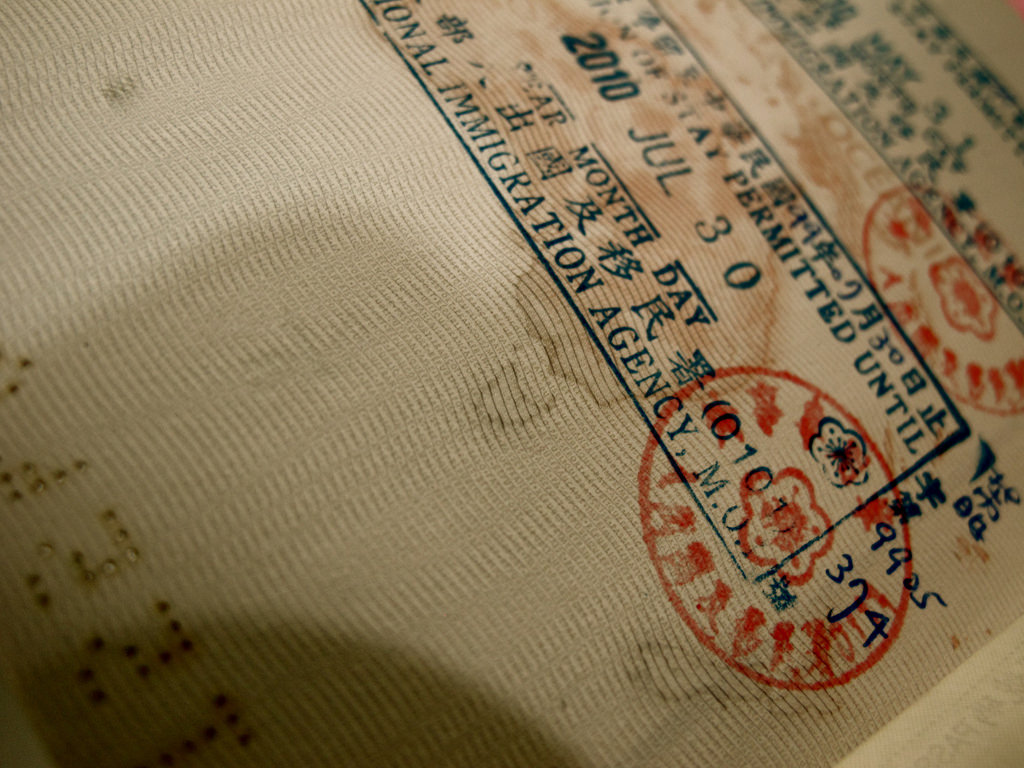
The Trump administration has resumed student and exchange visa appointments with a mandate for intensified vetting of applicants’ online activity, according to a State Department cable dated June 18. U.S. consular officers are now instructed to conduct “comprehensive and thorough” background checks to identify individuals with “hostile attitudes” toward American citizens, values, or institutions.
This move follows the administration’s May 27 decision to pause new visa appointments pending updates to social media screening protocols. Secretary of State Marco Rubio directed consular posts to screen applicants for political activism linked to violence or anti-U.S. sentiment. The cable emphasizes examining a candidate’s entire online presence—beyond social media—using search engines and other resources.
Consular officers are authorized to request that applicants make all social media accounts public. Limited access may be interpreted as an attempt to conceal concerning activity. For instance, support for groups like Hamas could render a student ineligible for a visa.
Rubio stated that hundreds, possibly thousands, of visas have been revoked for involvement in actions contradicting U.S. foreign policy, including support for Palestinians and criticism of Israel. A Turkish student from Tufts University was detained for weeks after publishing an op-ed criticizing Israel’s actions in Gaza.
Although visa appointments will resume, the new measures may reduce appointment availability due to time-intensive vetting. Priority will be given to medical exchange participants and students enrolling at U.S. universities with less than 15% international student populations.
The vetting process was piloted with visa applicants traveling to Harvard University, where international students represent 27% of the student body. Overseas posts are instructed to implement the new protocols within five business days. Critics argue these policies threaten free speech and academic freedom.







