


 Paramount-Warner Bros. Discovery Merger Faces Lawsuit From 12 States
  Australia Flags Child Safety Gaps at Apple, Meta, Google Over Online Sexual Extortion
  SK Hynix Shares Drop After Strong Nasdaq Debut Despite $26 Billion ADR Listing
  SK Hynix Soars 13% in Nasdaq Debut After Record $26.5 Billion IPO
  Fast Retailing Raises Full-Year Forecast After Uniqlo Owner Beats Q3 Profit Estimates
  Oppenheimer Sees CNH Industrial as Top 2026 Agriculture Stock Pick on Dealer Consolidation Strategy
  Nippon Paint Reportedly Offers Up to €7.5 Billion for Akzo Nobel Decorative Paints Business
  Stellantis Q2 Vehicle Shipments Rise 10% as North America Drives Growth
  SoftBank Corp Partners With Sierra to Expand AI Customer Support Across Japan
  Levi Strauss Raises 2026 Outlook After Q2 Earnings Beat, Shares Drop Despite Strong Results
  Morgan Stanley Says China’s Reusable Rocket Progress Poses Long-Term Challenge to SpaceX
  Samsung Chairman Lee Jae-yong Expected to Meet Nvidia CEO Jensen Huang on AI and Chip Partnership
  Elon Musk Says Anthropic Leads AI Race as Claude Models Challenge OpenAI
  TSMC Q2 Revenue Surges 36% as AI Chip Demand Powers Growth Ahead of Earnings
  Apple Sues OpenAI, Former Employees Over Alleged Trade Secret Theft
  Yaskawa Electric Shares Slide as Weak Profit Overshadows Strong AI Demand
  UBS Starts CarTrade Tech With Buy Rating, Sees Strong Earnings Growth and ₹4,000 Target


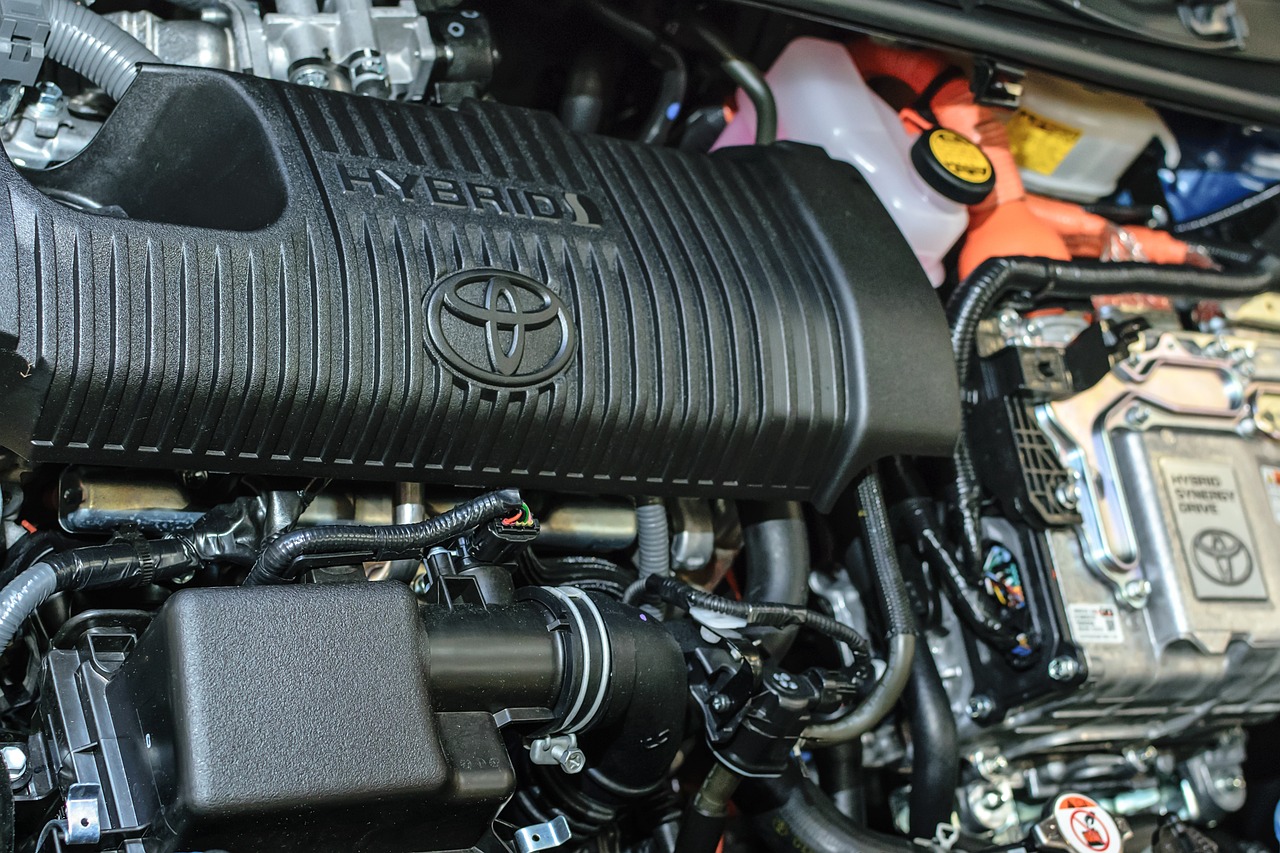
Toyota Motor Corp (TYO:7203) announced on Friday that it will begin introducing three U.S.-manufactured vehicle models to the Japanese market starting in 2026, a strategic move aimed at expanding its domestic lineup while also supporting improved U.S.-Japan trade relations. The Japanese automaker said the plan reflects both market-driven demand and broader diplomatic considerations between Tokyo and Washington.
According to Toyota, the three U.S.-made models scheduled for launch in Japan are the Camry sedan, the Highlander sport utility vehicle, and the Tundra pickup truck. These vehicles are among Toyota’s most popular offerings in the United States, where the company sells millions of cars annually and maintains a strong manufacturing footprint. By bringing these models to Japan, Toyota aims to address increasingly diverse consumer preferences, including demand for larger sedans, SUVs, and pickup trucks.
In its official statement, Toyota emphasized that selling American-built vehicles in Japan would help meet the needs of a wide customer base while contributing to healthier bilateral trade relations. The company also said it plans to leverage a new vehicle certification and approval system currently being considered by Japan’s Ministry of Land, Infrastructure, Transport and Tourism. This system emerged from ongoing negotiations between Japanese and U.S. officials to ease regulatory barriers for imported vehicles.
The announcement follows signals from the Japanese government indicating greater openness to purchasing American-made vehicles as part of a broader trade framework with the United States. U.S. President Donald Trump has repeatedly criticized Japan for its limited imports of American cars, even as Japanese automakers dominate U.S. auto sales. In October, Japan indicated it may purchase Ford Motor Company’s F-150 trucks to partially address U.S. trade concerns.
Toyota has previously attempted a similar strategy. In the 1990s, it sold a rebadged General Motors vehicle, the Toyota Cavalier, in Japan, though the model failed to gain traction and was eventually discontinued.
Today, Toyota remains the world’s largest automaker, with particularly strong demand in the United States, especially for hybrid vehicles. While Toyota’s U.S. exports to Japan are still subject to a 15% tariff under a September trade agreement, this rate is significantly lower than the 27% levy imposed earlier in the year, making the new initiative more commercially viable.







