


 LVMH-Hermès Dispute Deepens Over Secret 2002 Share Deal
  White House Bars CNN, MS NOW and Politico Reporters
  FAA Allows Boeing to Sell 35 More 777F Freighters Beyond 2028
  fnny Beta Launches With a Simple Idea: Find an Event, Show Up, Get Rewarded
  Apple Pay Set for India Launch With Axis Bank
  SoftBank Launches $11 Billion Bond Sale to Fund OpenAI Investment
  FCC Approves Foreign Investment in $110B Paramount-Warner Bros. Deal
  US Federal Register Drops Alibaba Qwen AI Search Tool
  Hyundai CEO Warns Chinese Automakers Could Disrupt US Market
  Prysmian, Rio Tinto Supply Low-Carbon Cables for Amazon Ohio Data Center
  NASA, Boeing Discuss Expanding Starliner Missions
  SpaceX Nasdaq 100 Weight to More Than Double in Rebalance
  Trump Bans CNN, MS NOW and Politico From White House
  US Northeast Airports Resume Operations After Telecom Outage Disrupts Thousands of Flights
  Supertanker Orders Surge as US-Iran War Reshapes Oil Trade
  Petrobras Joins Brazil Diesel Subsidy Program


 Add as a preferred source on Google
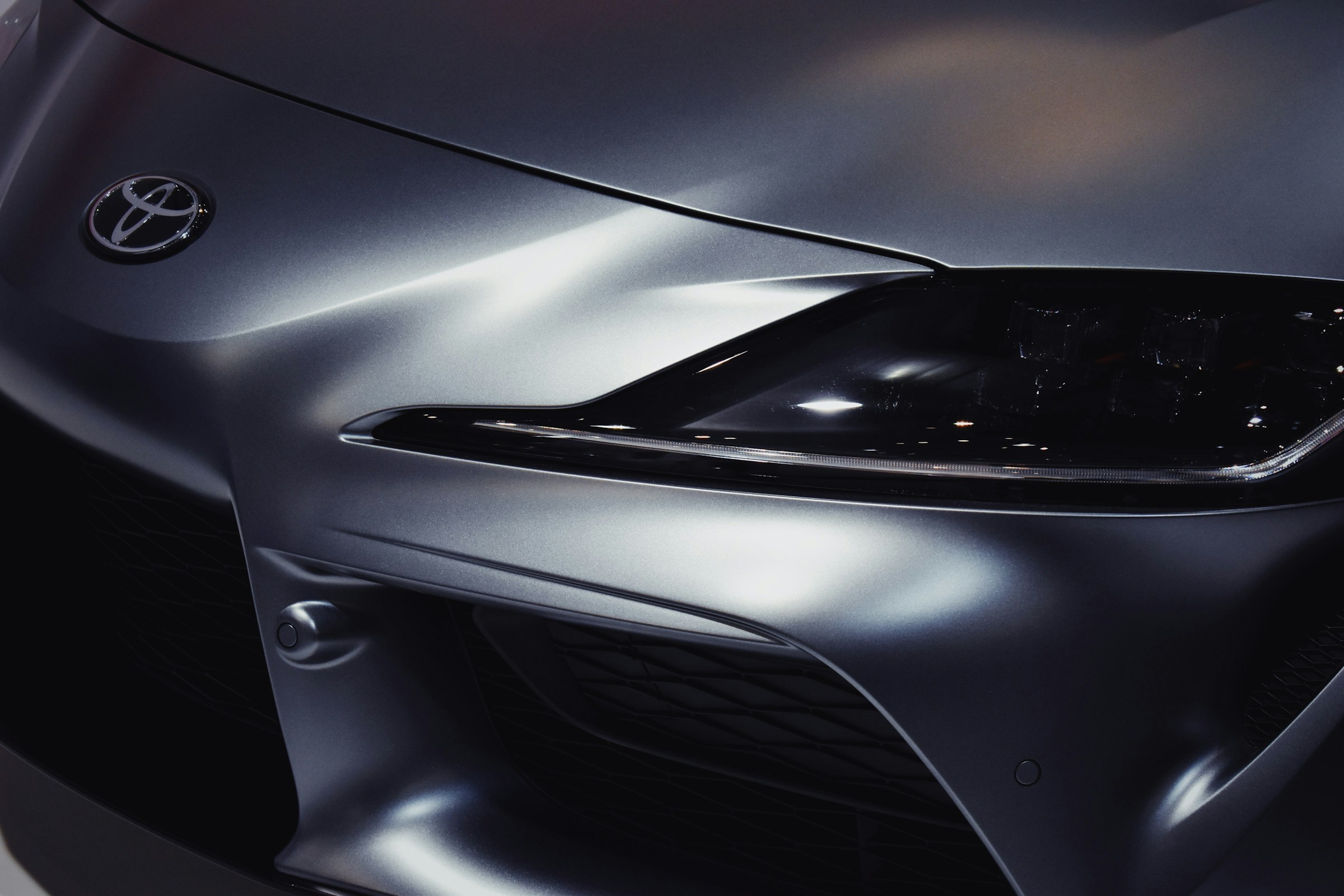
In a significant boost to Brazil's automotive sector, Japanese auto giant Toyota has announced plans to invest 11 billion reais ($2.2 billion) over the coming years. The announcement, set to be officially made on Tuesday, was confirmed by Brazil's vice president and minister for industry, Geraldo Alckmin, via social media on Sunday.
Enhanced Economic Growth and Job Creation
CNBC reported that while Toyota remained tight-lipped following local media speculation regarding the investments, citing "no comment on potential future plans," the move marks a monumental commitment to the Brazilian economy. The investment will be centered around Toyota's factory in Sorocaba, Sao Paulo state, a region integral to the country's automotive industry.
Vice President Alckmin revealed that these investments are not just a financial injection but are also expected to catalyze the creation of 2,000 jobs. Additionally, they signify the launch of new automotive models that promise to invigorate Toyota's regional offerings. According to reports by Lauro Jardim, a columnist for the local newspaper O Globo, the investment will facilitate the production of a hybrid car and a sport utility vehicle (SUV) at the Sorocaba unit. However, specific models remain undisclosed at this juncture.
According to US News, Toyota's reaffirmed commitment places it among other global automakers like Volkswagen, General Motors, and Hyundai Motor, which have also announced significant investments in Brazil this year. This trend underscores Brazil's growing importance as a hub for automotive manufacturing and innovation.
Implications for the Brazilian Economy and Environment
The historical context amplifies the significance of Toyota's latest investment. Having established, Toyota do Brazil in 1958 and inaugurated the Sao Bernardo Plant in 1962; Brazil was the site of Toyota's first venture outside its home territory. Notably, in 1959, the factory produced the Bandeirante, marking Toyota's first overseas production. The company's global production hovered at 230,000 vehicles then, compared to the 10.61 million units produced globally in 2022.
Toyota's deepening investment in Brazil underscores the country's strategic importance in the global automotive landscape and highlights a long-standing relationship forged by economic, social, and cultural ties.
Photo: Denin Lawley/Unsplash







