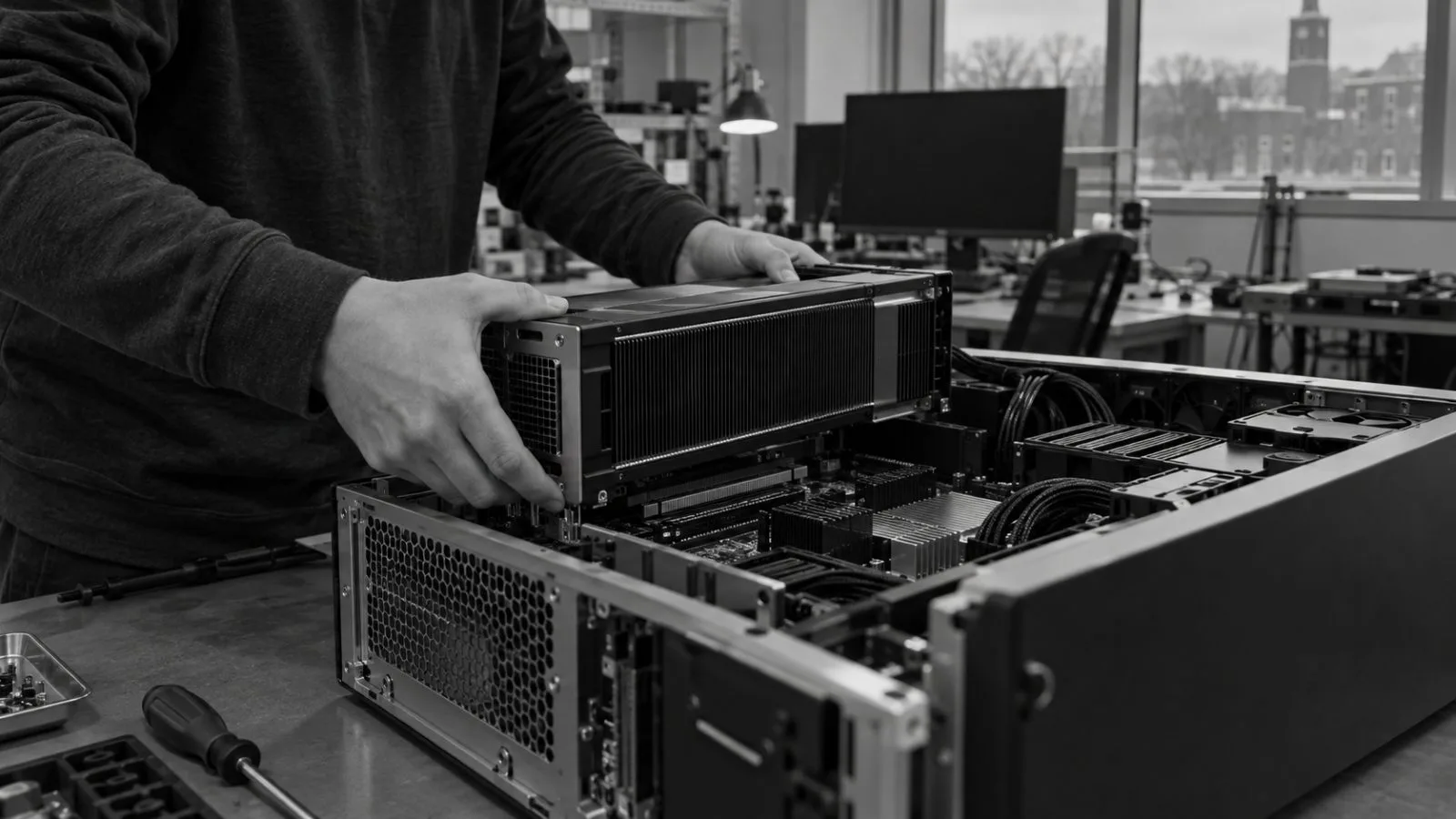
At this point, it’s practically inevitable that self-driving vehicles are the future of the auto industry. That’s why companies like Google and Apple have been courting car makers to use their autonomous driving technologies. In the case of Toyota, which both tech firms have had in their sights, the car company decided that it would be going with Nvidia instead.
The partnership was announced by Nvidia CEO Jen-Hsun Huang today during the company’s GPU Technology Conference, which was held in San Jose, California, CNET reports. In his keynote speech, the Nvidia boss said that Toyota would be using their Drive PX technology to manufacture self-driving cars over the next few years.
Toyota previously announced that it was going to put self-driving vehicles on roads by 2021, at most. Nvidia’s own revelation seems in line with the car maker’s own plans, which could significantly boost the GPU maker’s presence in the tech and auto industries.
As partnerships go, the Toyota-Nvidia setup holds a lot of promise, certainly more than the Uber-Otto situation. It’s also safe to assume that other car companies that don’t have their own self-driving technology will partner up with tech firms that do such as Nvidia’s rival, Intel.
Now, it’s worth noting that the announcement had a few details missing, including which vehicle will be equipped with the self-driving technology, The Verge reports. It’s certainly possible to integrate the technology in all of Toyota’s vehicles but it could just as easily come up with an entirely new model specifically for autonomous driving.
Toyota itself has had plans regarding self-driving for some time, with a feature called “guardian angel” that is intended to take over from the driver in order to avoid accidents. It would seem that Nvidia will be adopting this concept when its own technology is integrated into whichever vehicle Toyota chooses.