


 NASA and SpaceX Target Crew-11 Undocking From ISS Amid Medical Concern
  Eli Lilly Eyes AtaiBeckley Acquisition to Expand Psychedelic Mental Health Pipeline
  U.S. Probes Apex Logistics Over Nvidia AI Chip Shipments to China
  OpenAI AI Agent Swarm Behind Hugging Face Hack
  Honda, Nissan Eye Shared Vehicle Software Platform by 2029
  Trump Administration Plans New Drug Pricing Deals With Biotech Firms
  BOJ’s Himino Signals Timely Rate Hikes as Inflation Risks Rise
  Venezuela Earthquake Health Risks Rise as Disease Monitoring Intensifies
  Asian Chip Stocks Mixed After Nvidia Earnings Beat
  Toyota Global Sales Fall as China Demand Slumps
  Nvidia Reportedly Eyes $13 Billion Hugging Face Acquisition
  FDA Investigates New Cyclospora Outbreak as U.S. Cases Continue to Rise
  Cogent Biosciences Soars 120% on Breakthrough Phase 3 Results for Bezuclastinib in GIST Treatment
  Neuralink Expands Brain Implant Trials with 12 Global Patients


 Add as a preferred source on Google
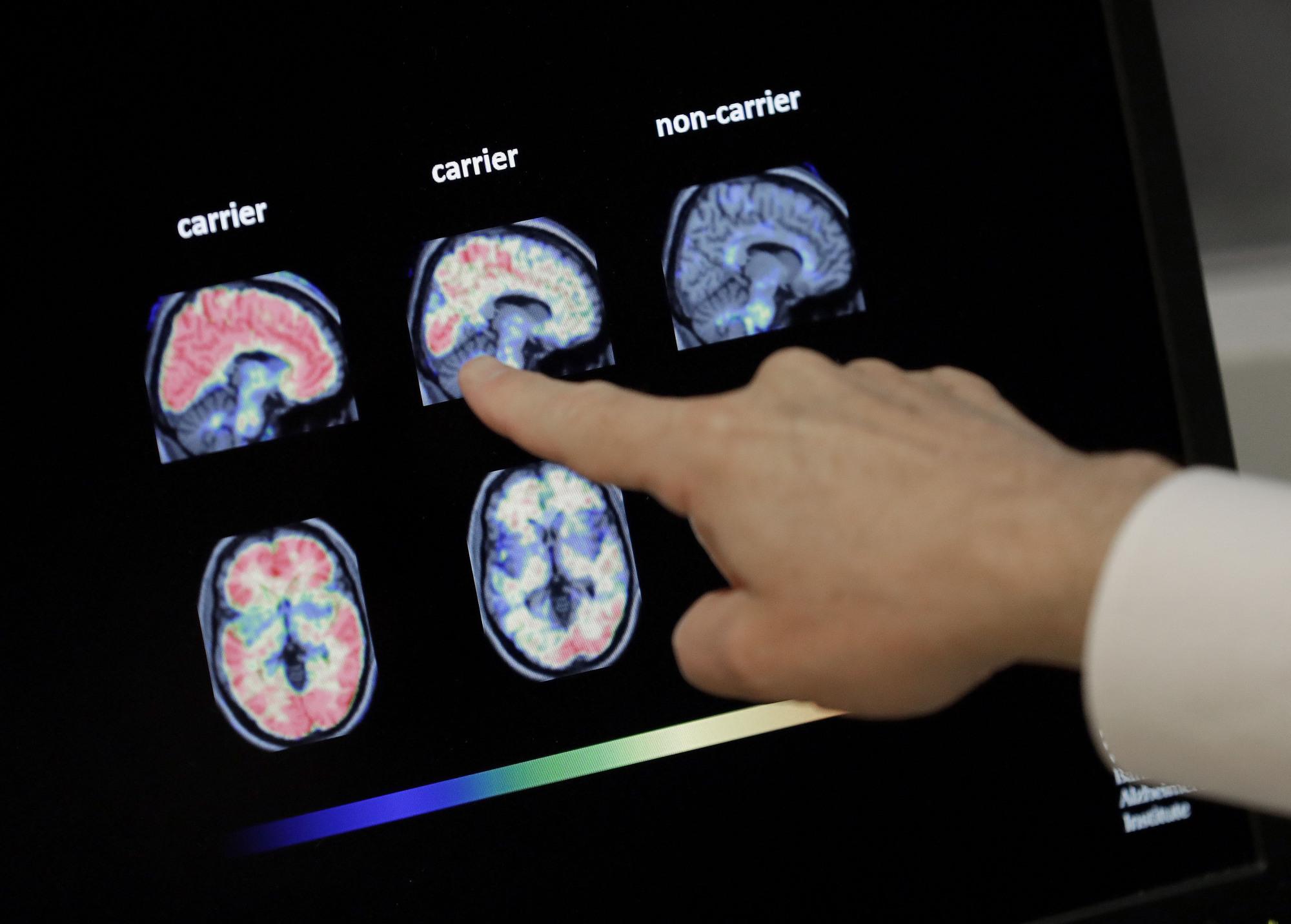
A team of Japanese scientists has developed a method that utilizes glucose and fragmented antibodies in reducing an abnormal accumulation of protein in the brains of mice with Alzheimer’s disease.
According to Takanori Yokota, a neurology professor at the university who was part of the team, they hope accomplishment will lead to the development of a new therapy that is safer and more efficient than its conventional antibody-used counterpart.
The amyloid beta protein accumulation in the brain is believed to trigger Alzheimer’s.
The researchers, primarily from Tokyo Medical and Dental University and the Innovation Center of Nanomedicine (iCONM), encapsulated fragments of an antibody that can attach itself to the protein and remove it from the brain into a so-called nanomachine.
They also attached glucose molecules to the nanomachine's surface, making it simpler for the brain to receive the antibody.
The mice with abnormally high levels of amyloid beta due to the disease were given injections of the encapsulated antibody fragments by the researchers. The agent was administered weekly for 10 weeks.
In contrast to just injecting them there, the study found that employing a nanomachine can deliver 80 times more antibody fragments to the brain.
It was also established that this technique can be used to get rid of amyloid beta lumps, which prevented the protein from gathering.
Because a whole antibody is too large to be placed in many places, the researchers chose to employ antibody fragments instead.
The result was a positive effect that was unanticipated.
Historically, the blood-brain barrier, which determines what to take in from blood vessels to protect the brain, prevented the entire prescribed medication to eliminate the protein from reaching the brain.
Therapeutic antibodies for Alzheimer's disease are well known for having undesirable side effects, such as inflamed brain swelling.
As the fragmented antibody lacks the portion that causes inflammatory reactions, the team anticipates that this side effect may be avoided.







