


 Wildfires ignite infection risks, by weakening the body’s immune defences and spreading bugs in smoke
  An unexpected anomaly was found in the Pacific Ocean – and it could be a global time marker
  GesiaPlatform Launches Carbon-Neutral Lifestyle App ‘Net Zero Heroes’
  Lake beds are rich environmental records — studying them reveals much about a place’s history
  As the Black Summer megafires neared, people rallied to save wildlife and domestic animals. But it came at a real cost
  Thousands of satellites are due to burn up in the atmosphere every year – damaging the ozone layer and changing the climate
  Ukraine minerals deal: the idea that natural resource extraction can build peace has been around for decades
  Fungi are among the planet’s most important organisms — yet they continue to be overlooked in conservation strategies
  Burkina Faso and Mali’s fabulous flora: new plant life record released
  Unsustainable – or manageable? We don’t yet know how data centres will impact Australia’s environment
  The world’s biggest trees could hold the secret to coping with drought
  Swimming in the sweet spot: how marine animals save energy on long journeys
  Parasites are ecological dark matter – and they need protecting


 Add as a preferred source on Google
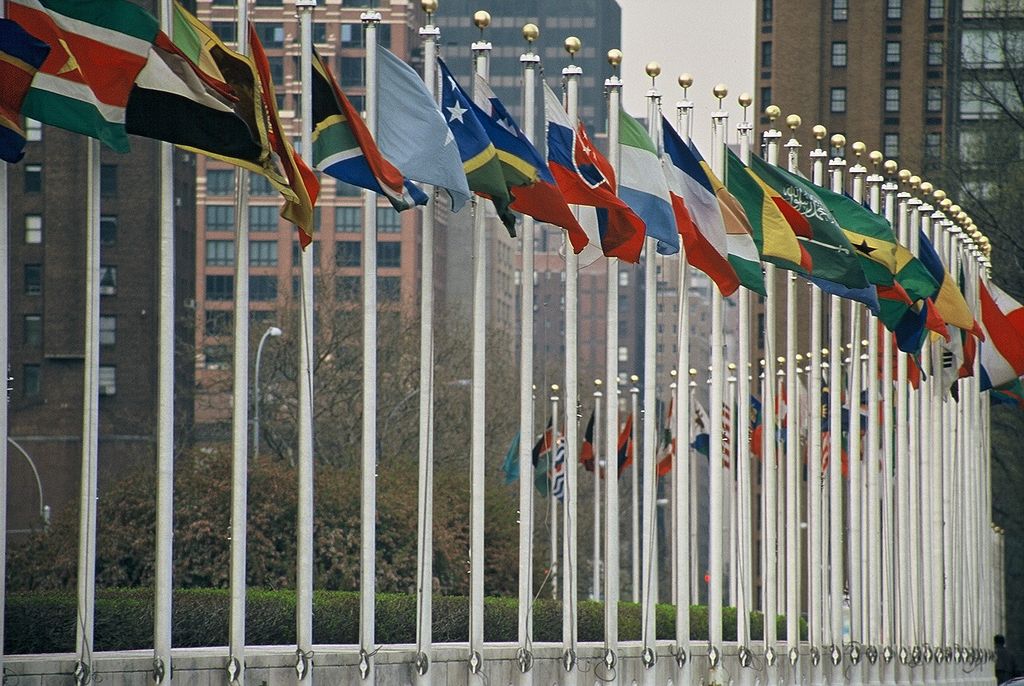
Leaders and diplomats from more than 160 countries are gathering at the United Nations' New York headquarters on April 22 to sign the Paris Agreement – the landmark climate deal hammered out at the culmination of last year’s talks.
The ceremony marks the start of a year-long opportunity for countries to sign the agreement, although most of the world will sign on the opening day. But the process doesn’t end there – nations will still need to ratify the treaty domestically. Only when at least 55 countries, accounting for at least 55% of global greenhouse emissions, have done so will the Paris deal become international law.

 James Whitmore, Editor, Environment & Energy
This article was originally published on The Conversation. Read the original article.







