


 Anthropic Secures $1.5B AI Venture Backed by Wall Street Giants, Shaking Software Sector
  Intel Emerges as Key Contender in Apple’s Chip Manufacturing Strategy Shift
  Judge Delays SEC Settlement With Elon Musk Over Twitter Stock Disclosure Case
  Supermicro Forecasts Strong Q4 Revenue Growth as AI Server Demand Surges
  OCBC Q1 Profit Rises 5% on Strong Wealth Management and Non-Interest Income
  AMD Q1 Earnings Surge on AI Demand, Stock Jumps After Strong Guidance
  Arm Stock Drops Despite Strong AI Chip Demand and Earnings Beat
  Samsung Appoints New TV Business Head Amid Rising Competition from Chinese Rivals
  AWS Data Center Overheating Disrupts Cloud Services in Northern Virginia
  Dell Stock Hits Record High After Trump Endorsement, AI Server Demand Fuels Rally
  TikTok Nears $400 Million Settlement With Trump Administration Over Child Privacy Lawsuit
  Trump Invites Top CEOs Including Nvidia, Apple, Boeing to China Summit With Xi Jinping
  Meta Raises 2026 Capex Outlook Amid AI Spending Surge, Shares Drop After Earnings
  Anthropic’s $1.5B AI Venture with Wall Street Firms Targets Private Equity Market
  Apple Explores Intel and Samsung Partnerships to Diversify Chip Supply Chain
  U.S.-China AI Talks May Take Center Stage at Trump-Xi Summit


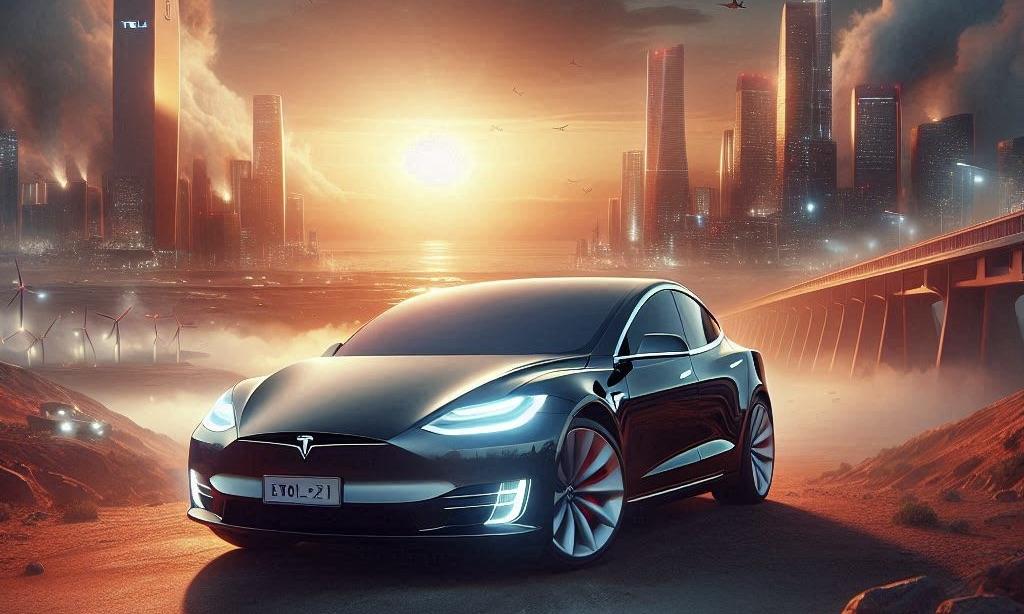
Tesla has raised the prices of its Model S and Model X vehicles by $2,000, despite a notable decline in sales. The decision comes as Tesla struggles with increased competition and a 31-37% drop in year-over-year sales for these models.
Tesla Raises Model S and Model X Prices by $2,000 Despite Sales Decline and Lack of Transparency
Despite a substantial decrease in sales, Tesla's Model S and Model X vehicles have experienced a $2,000 price increase in all configurations. Sales of these models have been declining, prompting this decision. According to Electrek, Tesla continues not to break down its sales figures by model, obscuring the performance of individual vehicle programs.
Tesla is the only major automaker that doesn’t provide a detailed breakdown of its sales by model; instead, it groups all Model S, Model X, Cybertruck, and Tesla Semi deliveries. This makes it difficult to assess the health of each program. Based on estimates of Cybertruck and Tesla Semi deliveries, it is estimated that Model S and Model X sales were around 12,000-13,000 units last quarter, representing a 31-37% year-over-year decline.
Despite the apparent slowdown in sales, Tesla has decided to increase the price of all Model S and Model X vehicles overnight. The new prices are as follows:
-
Model S Long Range: $74,990
-
Model S Plaid: $89,990
-
Model X Long Range: $79,990
-
Model X Plaid: $94,990
Tesla also updated the Model X options, ensuring the Model X Long Range remains under the $80,000 MSRP limit to qualify for the federal tax credit. Additionally, if buyers opt for the $8,000 Full Self-Driving (FSD) package, they receive the 7-seat option for free, maintaining eligibility for the tax credit.
Tesla’s lack of transparency in its delivery reporting has made it challenging to track the performance of individual vehicle programs. The company now only reports deliveries in two categories: Model 3/Y and “other models,” including Model S, Model X, Cybertruck, and Tesla Semi deliveries. This was less of an issue before the Cybertruck ramp-up, but the increased production of the electric pickup truck has further complicated tracking Model S and Model X sales.
Tesla's Model S and X Sales Drop Over 30% in Q2 Amid Rising Competition in Luxury Market
Earlier this week, Tesla disclosed 21,551 deliveries of other models in Q2. Based on estimates of Cybertruck deliveries, Model S and Model X sales are around 12,000-13,000 units, down from 19,225 units during the same period last year.
This more than 30% year-over-year decline highlights the increasing competition in the higher-end segments, where Model S and Model X compete with luxury sedans and SUVs from legacy automakers. While still competitive, the technology advantage of Tesla's models is becoming less apparent.







