


 BMW Keeps 2026 Outlook Despite 25% Profit Drop Amid Tariff Pressure
  Philips Reaffirms 2026 Outlook After Strong Q1 Sales and Margin Beat
  AWS Data Center Overheating Disrupts Cloud Services in Northern Virginia
  Dell Stock Hits Record High After Trump Endorsement, AI Server Demand Fuels Rally
  Morgan Stanley Bets on Optical Component Stocks in Greater China Tech Sector
  Hantavirus Cruise Ship Outbreak Triggers Global Health Alert
  Nike Tariff Refund Lawsuit Sparks Consumer Backlash Over Price Increases
  Arm Stock Drops Despite Strong AI Chip Demand and Earnings Beat
  Lufthansa Q1 Loss Narrows as Strong Summer Travel Demand Boosts Outlook
  Coinbase Q1 2026 Earnings Miss Sends COIN Stock Lower Amid Crypto Market Slump
  Judge Delays SEC Settlement With Elon Musk Over Twitter Stock Disclosure Case
  Armani Group Eyes Strategic Stake Sale to Luxury Giants
  Shell Q1 Profit Surges to Two-Year High as Dividend Rises Despite War-Driven Debt Pressure
  Orsted Q1 EBITDA Beats Expectations Despite U.S. Impairments
  Maersk Q1 Earnings Beat Expectations as Iran Conflict Clouds Shipping Outlook
  Aker BP Q1 Profit Jumps on Higher Oil Prices and Asset Reversal
  OCBC Q1 Profit Rises 5% on Strong Wealth Management and Non-Interest Income


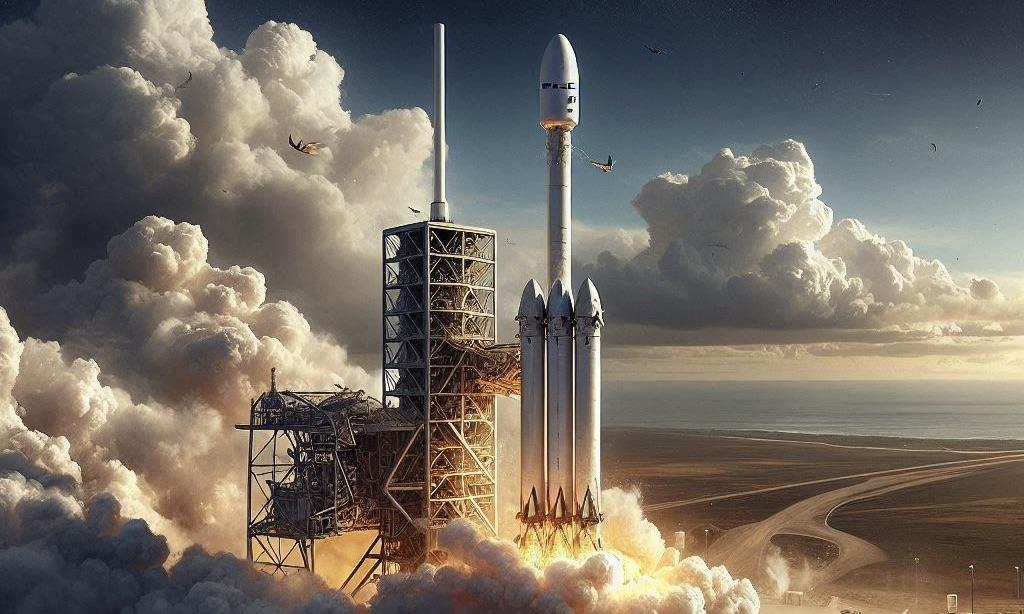
During an ongoing FAA investigation into a recent Starlink mission anomaly, SpaceX has requested permission to relaunch its Falcon 9 rocket. The mishap involved a liquid oxygen leak, which affected the deployment of 20 Starlink satellites on July 11.
SpaceX Requests Falcon 9 Relaunch Amid FAA Investigation into Starlink Mission Anomaly
During the Federal Aviation Administration (FAA) investigation into a mishap last week, SpaceX requested authorization to relaunch its Falcon 9 rocket, according to Teslarati.
The FAA is investigating a mishap that transpired during the Starlink 9-3 mission earlier this month.
On July 11, SpaceX launched its Falcon 9 rocket with 20 Starlink internet satellites attached. However, a liquid oxygen leak caused an anomaly, which prevented the second stage from circulating its orbit before the discharge of the high-speed internet devices.
The issue with the Starlink satellites was elaborated upon by SpaceX CEO Elon Musk:
“Upper stage restart to raise perigee resulted in an engine RUD for reasons currently unknown. Team is reviewing data tonight to understand root cause. Starlink satellites were deployed, but the perigee may be too low for them to raise orbit. Will know more in a few hours.”
Shortly after that, the FAA issued a statement:
“The FAA is aware an anomaly occurred during the SpaceX Starlink Group 9-3 mission that launched from Vandenberg Space Force Base in California on July 11. The incident involved the failure of the upper stage rocket while it was in space. No public injuries or public property damage have been reported. The FAA is requiring an investigation.”
SpaceX Seeks FAA Approval for Falcon 9 Relaunch Amid Ongoing Investigation
Despite the ongoing investigation, SpaceX intends to recommence Falcon 9 launches before the FAA concludes its analysis.
Space X submitted a request to the FAA on July 15 to regain the ability to launch the rocket before the agency's investigation's conclusion, as reported by Spaceflight Now.
“The FAA is reviewing the request and will be guided by data and safety at every step of the process. The FAA is responsible for and committed to protecting the public during commercial space transportation launch and reentry operations. The FAA is reviewing the request and will be guided by data and safety at every step of the process.”
In two scenarios, the FAA would permit a rocket to resume flight operations after an issue: It would grant sanction for a launch operator-led mishap in its final investigation report, necessitating the operator to identify and resolve corrective actions.
The other is a “public safety determination,” which would only be valid if “the mishap did not involve safety-critical systems or otherwise jeopardize public safety,” the FAA said.







