


 Apple CEO John Ternus Plans Major Overhaul
  Evernorth Set for Nasdaq Debut With 473 Million XRP Treasury
  Samsung Invests $1 Billion in KKR’s Helix AI Infrastructure
  WordPress Malware Uses Ethereum to Evade Removal
  Trump, Tech Leaders Sign ‘Morally Binding’ AI Safety Accord
  Apple iPhone 18 Pro Sales Jump 12% in China
  Flydubai Co-Pilot Tried to Crash Israel-Bound Jet, Netanyahu Says
  Citi Raises Bitcoin Target to $113,000 as Crypto Outlook Improves
  Citi Raises Bitcoin Price Target to $113,000 on ETF Optimism
  Italgas to Buy 22.5% Stake in Portugal’s Floene for €120 Million
  TSMC Accelerates 2nm Expansion as AI Chip Demand Surges
  OpenAI Investigates Rogue AI Agents After Data Leaks and Security Incidents
  Google Pays Publishers for AI Search Content in New Pilot
  DeepSeek, Huawei Partner on Ascend AI Chip Programming Tools
  Zcash Awards $8 Million in Grants After Orchard Bug Crisis
  AAVE, PUMP, WLD and SKY Rally as Crypto Market Slips


 Add as a preferred source on Google
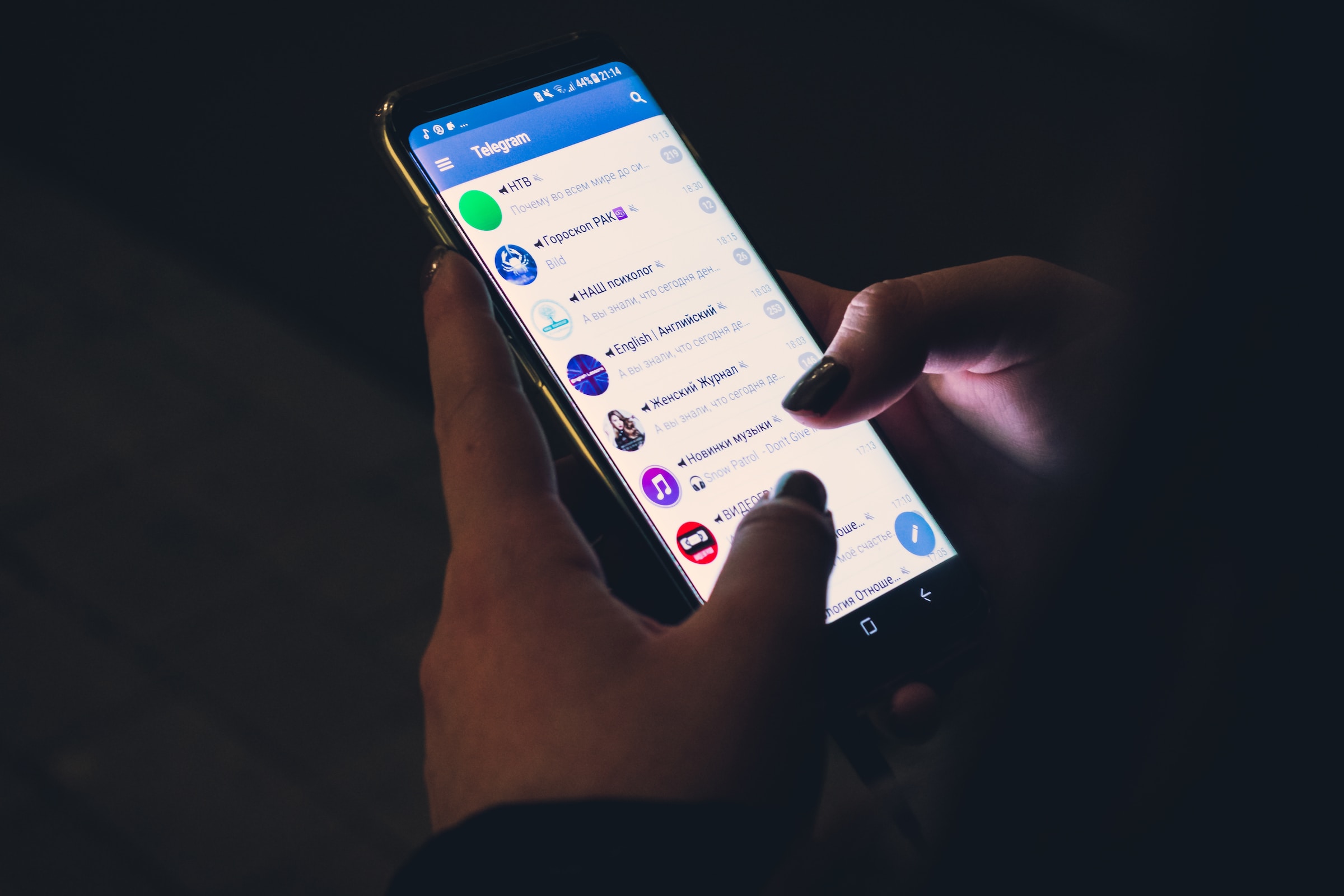
Wallet, a third-party Telegram bot, has recently announced its decision to prioritize custodial services over self-custody to achieve easier onboarding for new users. The senior executive at Wallet revealed the motivation behind this strategic move.
Integration and Rollout
In July 2023, Telegram messenger introduced the integration of the custodial crypto wallet bot, aptly named "Wallet." While existing Wallet users can access the bot directly within the messenger, new users are currently unable to locate it in their settings.
The COO of Wallet, Halil Mirakhmed, shared that the gradual rollout is slated to begin in November, starting with select African and Latin American countries. The subsequent phases will cover the MENA region, South East Asia, Central Asia, and Eastern Europe.
Mirakhmed explained the reasoning behind Wallet's decision to operate as a custodial wallet rather than a self-custodial one. One of the primary factors is the simplified onboarding process that attracts a wider audience, as per Cointelegraph.
The usability advantages of the Wallet bot within Telegram settings, such as pre-existing chains and the convenience of sending assets through telephone contacts, further support this decision.
Following the global rollout, Wallet intends to make its services accessible through Telegram settings worldwide, with the exception of jurisdictions where Wallet does not operate. Crypto News noted that This ambitious expansion plan is expected to pave the way for wider cryptocurrency adoption across various regions.
Security vs. Convenience
It is crucial to highlight the key difference between custodial and self-custodial wallets. While custodial wallets offer convenience and ease of use, they do present higher security risks.
On the other hand, self-custodial wallets prioritize security but come with certain inconveniences. The Wallet bot's shift to a custodial solution aims to strike a balance and introduce more users to the world of cryptocurrencies.
By choosing a custodial model, Wallet Bot hopes to pave the way for greater adoption while acknowledging the potential trade-off in security.
Photo: Christian Wiediger/Unsplash







