


 Trump Lifts 25% Tariff on Indian Goods in Strategic U.S.–India Trade and Energy Deal
  Trump Backs Nexstar–Tegna Merger Amid Shifting U.S. Media Landscape
  Pentagon Ends Military Education Programs With Harvard University
  New York Legalizes Medical Aid in Dying for Terminally Ill Patients
  US Pushes Ukraine-Russia Peace Talks Before Summer Amid Escalating Attacks
  South Korea Assures U.S. on Trade Deal Commitments Amid Tariff Concerns
  India–U.S. Interim Trade Pact Cuts Auto Tariffs but Leaves Tesla Out
  U.S. to Begin Paying UN Dues as Financial Crisis Spurs Push for Reforms
  U.S. Lawmakers to Review Unredacted Jeffrey Epstein DOJ Files Starting Monday
  Trump Says “Very Good Talks” Underway on Russia-Ukraine War as Peace Efforts Continue
  Netanyahu to Meet Trump in Washington as Iran Nuclear Talks Intensify
  Iran–U.S. Nuclear Talks in Oman Face Major Hurdles Amid Rising Regional Tensions
  Missouri Judge Dismisses Lawsuit Challenging Starbucks’ Diversity and Inclusion Policies
  Nighttime Shelling Causes Serious Damage in Russia’s Belgorod Region Near Ukraine Border
  Trump Signs Executive Order Threatening 25% Tariffs on Countries Trading With Iran
  China Warns US Arms Sales to Taiwan Could Disrupt Trump’s Planned Visit
  Jack Lang Resigns as Head of Arab World Institute Amid Epstein Controversy


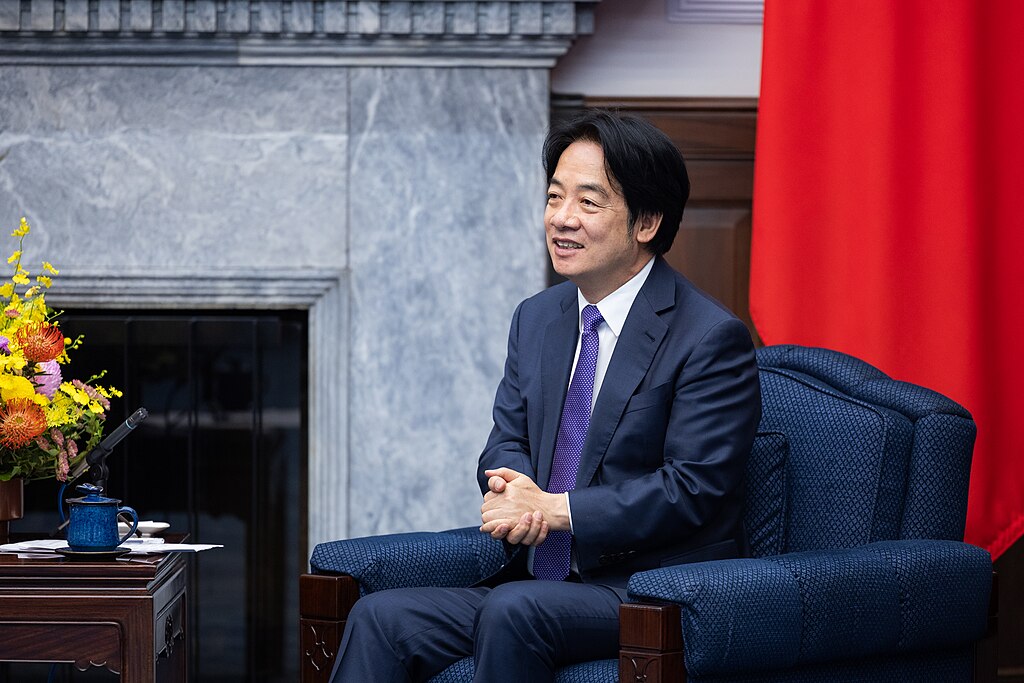
Taiwan President Lai Ching-te has offered to engage in direct talks with Ukraine to strengthen cooperation against sanctions-busting, following remarks by Ukrainian President Volodymyr Zelenskiy that named Taiwan as one of several sources of illicit missile components allegedly reaching Russia. The comments have drawn international attention amid ongoing efforts to restrict Moscow’s access to high-tech materials since Russia’s invasion of Ukraine in 2022.
Speaking at the World Economic Forum in Davos, President Zelenskiy said Russia would not be able to manufacture missiles without “critical components sourced from China, Europe, the United States, and Taiwan,” according to excerpts published on the Ukrainian president’s official website. The remarks highlighted persistent concerns over third-country transshipment and concealed end-use of sensitive technologies despite extensive global sanctions.
In response, President Lai addressed the issue on his official X account in English, reaffirming Taiwan’s support for Ukraine and its commitment to upholding international export control regimes. Lai stated that Taiwan has long worked with global partners to support Ukraine through humanitarian aid and coordinated sanctions, adding that the island welcomes further information exchanges with Kyiv to “clamp down on illegal third-country transshipment and concealed end-use.” His post included a symbolic image of orchids in the blue and yellow colors of Ukraine’s flag.
Lai also underscored Taiwan’s moral stance by noting that young Taiwanese volunteers have lost their lives fighting in Ukraine, describing their actions as sacrifices made in defense of freedom. He emphasized that any assistance to an aggressor or violations of international embargoes and export control regulations are unacceptable, and expressed hope for peace to be restored soon.
Taiwan, a global semiconductor powerhouse, has repeatedly updated its export controls since 2022 to prevent advanced technologies from being used for military purposes. In November, Taiwanese authorities announced revisions to align with the Wassenaar Arrangement, an international framework aimed at preventing weapons proliferation, even though Taiwan is not a formal signatory due to diplomatic isolation.
Despite the absence of de facto embassies or publicly acknowledged direct government-to-government contact, Taiwan and Ukraine have maintained limited engagement. Taiwanese humanitarian aid has largely been coordinated through diplomatic offices in central and eastern Europe, and senior Taiwanese officials have previously communicated with Ukrainian city mayors. Reuters reported it was unable to reach the Ukrainian presidential office for comment outside of office hours.













