


 Lufthansa Q1 Loss Narrows as Strong Summer Travel Demand Boosts Outlook
  Judge Delays SEC Settlement With Elon Musk Over Twitter Stock Disclosure Case
  Trump Invites Top CEOs Including Nvidia, Apple, Boeing to China Summit With Xi Jinping
  FBI Warns of China’s Expanding Hack-for-Hire Network Amid Extradition Case
  Apple Q2 2026 Earnings Surge as iPhone 17 Sales Drive Record Revenue
  AMD Q1 Earnings Surge on AI Demand, Stock Jumps After Strong Guidance
  BHP Attracts AI-Focused Investors as Copper Demand Surges
  Infineon Raises 2026 Outlook as AI Data Center Chip Demand Surges
  Japan Tech Stocks Surge as AI Optimism Lifts SoftBank, Chipmakers
  Intel Emerges as Key Contender in Apple’s Chip Manufacturing Strategy Shift
  Meta Raises 2026 Capex Outlook Amid AI Spending Surge, Shares Drop After Earnings
  China Banks Halt New Loans to Sanctioned Refineries Amid U.S.-Iran Oil Crackdown
  BMW Keeps 2026 Outlook Despite 25% Profit Drop Amid Tariff Pressure
  Nike Tariff Refund Lawsuit Sparks Consumer Backlash Over Price Increases
  Broadcom Eyes $35 Billion AI Chip Financing Deal With Apollo and Blackstone
  Dell Stock Hits Record High After Trump Endorsement, AI Server Demand Fuels Rally
  Arm Stock Drops Despite Strong AI Chip Demand and Earnings Beat


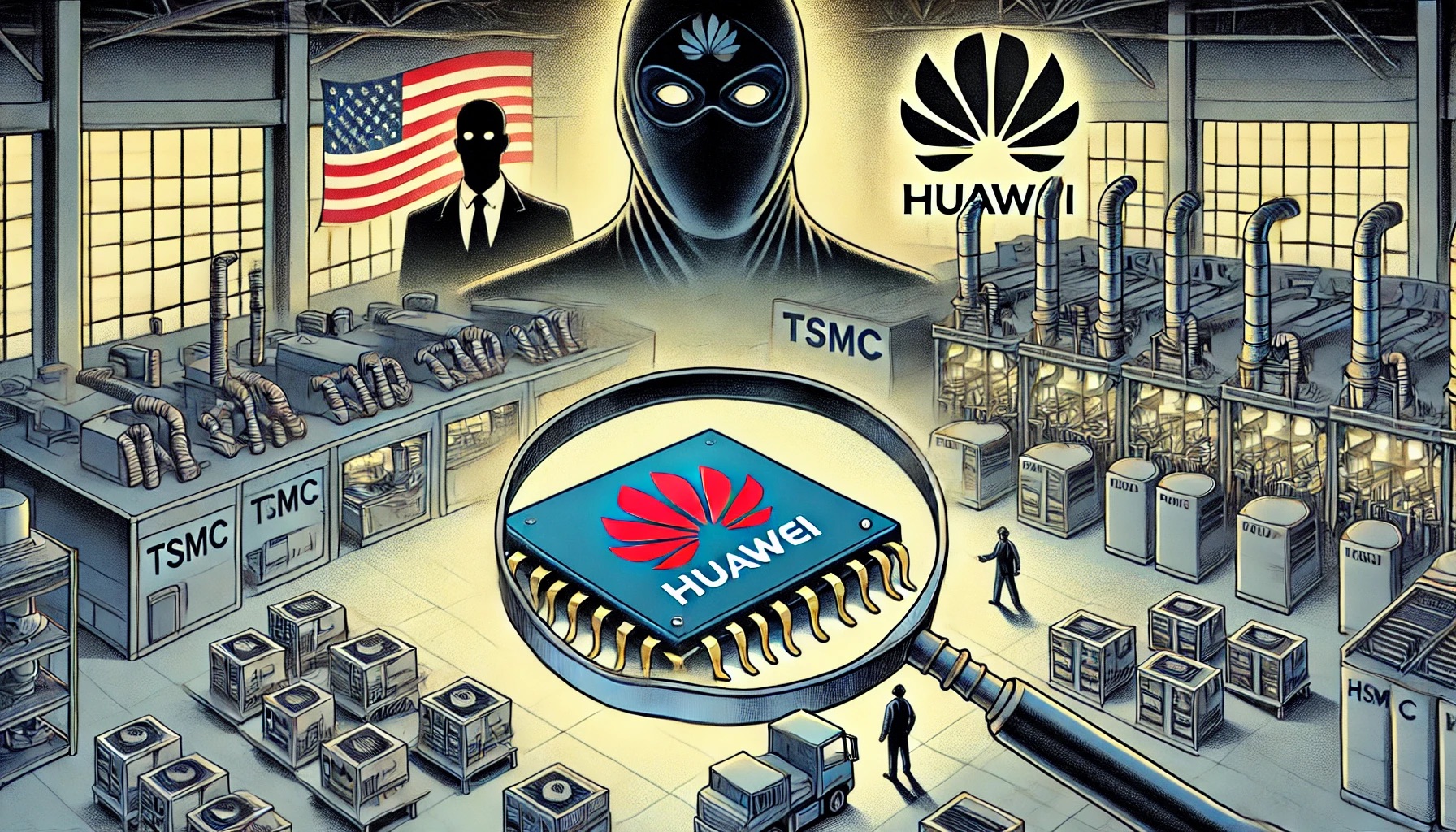
TSMC has halted shipments to a customer after uncovering its chip inside a Huawei product, which may violate strict U.S. export controls aimed at limiting China's access to advanced technology. Both U.S. and Taiwanese governments are now involved in the investigation.
TSMC Halts Shipments After Finding Chip in Huawei Product
A Taiwanese official said that after discovering that one of their chips had wound up in a Huawei product, Taiwan Semiconductor Manufacturing Co. halted shipments to the customer.
The trade and economic official, who spoke on condition of anonymity due to the sensitivity of the situation, stated that TSMC suspended shipments to the client approximately two weeks ago and commenced a comprehensive investigation, as reported by Reuters.
Governments Notified of Potential Breach
According to the official, the business has informed the governments of the United States and Taiwan about what is considered an "important warning event" within TSMC, which began on October 11th at the latest.
Officials from TSMC did not reveal which customers they had slashed off. No comments were made by TSMC.
U.S. Export Regulations in Question
According to US News, TSMC notified U.S. officials following a report by Reuters on Tuesday that tech research firm TechInsights may have violated U.S. export regulations by disassembling a Huawei product and finding one of TSMC's processors.
In an effort to rein in China's military might, the United States cut off the country's access to cutting-edge AI processors two years ago.
China’s Attempts to Circumvent Restrictions
U.S. efforts to increase export restrictions on advanced semiconductors have primarily targeted Huawei in an effort to prevent Chinese corporations from acquiring, developing, or producing such products.
Earlier this year, Reuters reported that Chinese organizations have been attempting to bypass the limits by using cloud services offered by corporations like Amazon to access advanced U.S. processors and AI capabilities.
Taiwan’s Response to Compliance Concerns
Concerned about China's propensity to manufacture advanced semiconductors, the Taiwanese government has implemented its own export control measures. Taiwanese authorities have stated that the country takes compliance with U.S. regulations very seriously.







