


 Costco Q3 Fiscal 2026 Earnings Beat Expectations as Sales and E-Commerce Surge
  Berkshire Hathaway to Acquire Taylor Morrison in $6.8 Billion Homebuilding Deal
  Trump Adviser’s Investment in Thrive Capital Draws Scrutiny Over Federal Contracts
  LG Electronics Stock Hits Record High on Nvidia AI Partnership Speculation
  Anthropic Files for IPO, Signaling a New Era for Public AI Investments in 2026
  JPMorgan Sees Biotech Sector at Turning Point, Upgrades Top Pharma Stocks
  Universal Music Group Rejects Pershing Square Takeover Proposal
  Blue Origin New Glenn Rocket Explodes During Launch Pad Test, Delaying Space Ambitions
  Rising Airfares May Challenge Cruise Industry Growth Ahead of 2027 Booking Season
  Fonterra to End Fitch Ratings Coverage as Agency Plans Withdrawal
  Nvidia and Microsoft to Launch AI-Powered Windows PCs at Computex 2026
  US Tightens AI Chip Export Rules, Impacting Nvidia and AMD Sales to Chinese Firms
  DOJ Investigates Group Linked to Reid Hoffman Over E. Jean Carroll Lawsuit Funding
  Tesla Keeps Graphite Supply Deal with Syrah Resources After Progress on Quality Issues
  SoftBank to Invest €75 Billion in France AI Data Center Expansion by 2031
  DBS Expands Wealth Centre Network Across Asia in Largest Physical Growth Push Yet
  US Quantum Stocks Surge After $2 Billion Government Investment


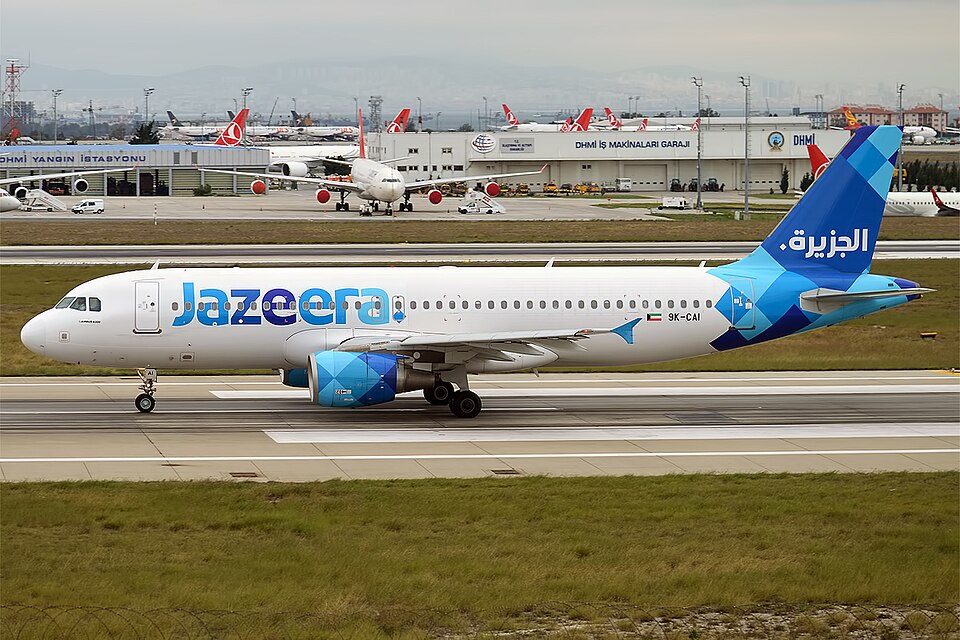
Syria has experienced a dramatic increase in air traffic, with nearly 12,000 aircraft transits recorded in May 2026 as regional airlines adjusted routes to avoid airspace affected by ongoing Middle East tensions. According to Syria’s General Authority for Civil Aviation (GACA), 11,801 flights crossed Syrian airspace during the month, more than double the 4,267 flights registered in February before the Iran-related conflict disrupted regional aviation networks.
The surge represents a 375% year-over-year increase and marks a significant shift for a country whose skies were largely avoided throughout the 14-year Syrian civil war, which concluded with the removal of former President Bashar al-Assad in late 2024.
The increase in overflight traffic is creating a valuable revenue stream for Syria. Under a revised fee structure introduced by the new government, airlines pay a flat overflight charge of $499 per flight. Based on May’s traffic figures, Syria could have generated approximately $5.9 million in overflight revenue. Authorities have not officially confirmed revenue estimates or commented on the new fee system.
Airlines began reconsidering Syrian routes after U.S. and Israeli military operations linked to the Iran conflict disrupted key air corridors over Iraq and the Gulf region. Although a ceasefire led to the reopening of some airspace in April, many flights connecting Europe with major aviation hubs such as Dubai and Doha continue to transit through Syria. The route offers shorter travel times and lower fuel consumption, helping carriers offset rising fuel costs.
Despite the growing traffic, aviation safety experts continue to classify Syrian airspace as high risk. Industry advisory group OPSGroup notes that Syria currently operates under procedural control, a basic air traffic management system. European aviation regulators still advise airlines to avoid Syrian airspace due to ongoing regional security concerns.
Syrian officials remain optimistic, citing upgrades to navigation, surveillance, and air traffic control infrastructure, including advanced radar systems supplied by Turkey. GACA says the rise in overflights reflects renewed confidence in Syria as a reliable route within the regional aviation network, while further reforms are being implemented to modernize operations and improve safety standards.







