


 Colombia Opens New Investigation Into Former President Álvaro Uribe Over Paramilitary Allegations
  Israel Cabinet Rejects Supreme Court Ruling, Sparking Constitutional Crisis Fears
  Trump Marks America’s 250th Anniversary With National Mall Rally Amid Political Divide
  DOJ Seeks Dismissal of Gautam Adani Bribery Case, Citing Foreign Scope
  Supreme Court Backs Lisa Cook, Defends Federal Reserve Independence Against Trump Firing Attempt
  France Battles Mediterranean Wildfires as Heatwave Fuels Fire Risk
  Apple Challenges India Antitrust Probe, Says CCI Copied Rivals’ Claims in App Store Case
  Australia Sues Amazon Over Prime Video Ads and Subscription Terms
  Russia Claims Capture of Kostiantynivka as Putin Pushes Donetsk Offensive
  Khamenei Funeral Draws Massive Crowds as Iran’s New Supreme Leader Remains Absent
  UN Warns of Looming Human Rights Catastrophe in Sudan’s Al-Obeid
  Air Force Investigates Officer After Capitol Protest Calling for Trump, Vance Impeachment
  Sara Duterte Impeachment Trial Opens, Putting 2028 Philippine Election in Focus
  Texas Man Charged After Fatal Tesla Full Self-Driving Crash in Katy
  California Drivers Sue BP, Walmart, 7-Eleven Over Alleged AI Gas Price Fixing
  Zelenskiy Urges Trump’s Support to Help End Russia-Ukraine War


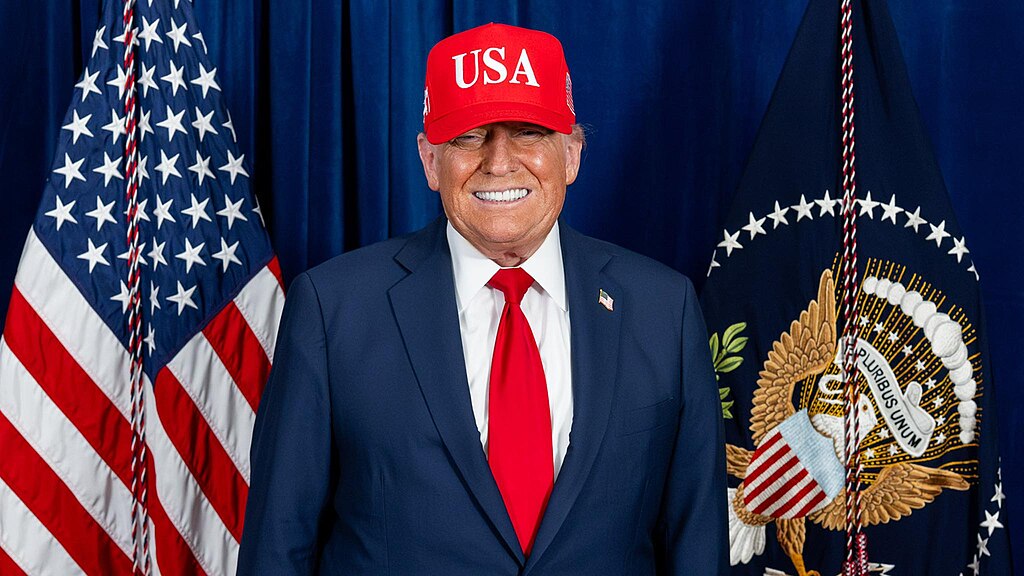
The U.S. Supreme Court has agreed to examine the legality of President Donald Trump’s directive aimed at restricting birthright citizenship, a move that could redefine a long-standing interpretation of the 14th Amendment. The decision to hear the case follows a Justice Department appeal challenging a lower court ruling that blocked Trump’s order, which instructed federal agencies not to recognize citizenship for children born in the United States unless at least one parent is a U.S. citizen or lawful permanent resident.
The lower court concluded that the directive violated both the 14th Amendment and federal law, prompting a class-action lawsuit from affected families. The Supreme Court is expected to hear arguments this term, with a ruling anticipated by June. The executive order, signed on Trump’s first day of his second term, reflects his continued efforts to tighten both legal and illegal immigration—policies that have repeatedly sparked national debate and accusations of discrimination.
For more than a century, the 14th Amendment has been widely interpreted to guarantee citizenship to nearly all babies born on U.S. soil. However, the Trump administration contends that this protection should not extend to children of undocumented immigrants or individuals in the country temporarily, such as students or workers on visas. Supporters of the policy argue it addresses issues like illegal immigration and so-called “birth tourism,” while critics maintain that no president has the authority to alter constitutional guarantees.
Challengers emphasize that the Supreme Court settled the matter in the 1898 Wong Kim Ark case, affirming that children born in the U.S. to non-citizen parents are citizens. They also cite federal laws that codify this longstanding interpretation. The Supreme Court’s decision to take up the case before lower appeals courts weighed in underscores its national importance.
This ruling could significantly impact immigration law, federal authority, and the future of birthright citizenship in America.







