


 FDA Adds Fatal Risk Warning to J&J and Legend Biotech’s Carvykti Cancer Therapy
  Houthi Attacks on Saudi Oil Sites Raise Fears of Wider Middle East Conflict Despite U.S. Strike Pause
  Europe Economy Faces Recession Risk as Energy Costs and Weak Manufacturing Weigh on Growth
  Trump Threatens Iran With 'Major Military Punishment' as Red Sea Attacks Push Oil Above $100
  Elon Musk Fuels SpaceX-Tesla Merger Speculation After Earnings Call
  Trump Administration Imposes New Forced Labor Tariffs on 60 Trading Partners
  Senate Sets December 8 Vote on Trump’s NASA Nominee Jared Isaacman
  Canada Opens Gordie Howe Bridge Without U.S. Officials as Trump Tariff Tensions Persist
  Asian Stocks Rise as Oil Falls, Fed and Big Tech Earnings Take Center Stage
  Zabka Shares Drop 10% as Seven & i Abandons Investment Plans
  India to Continue U.S. Trade Talks After Trump Imposes 10% Import Tariff
  BOJ Seen Holding Rates at 1% While Keeping Inflation Risk Warning
  Trump Signs Executive Order to Boost AI Research in Childhood Cancer
  Amkor Stock Surges 17% After $1.5 Billion Nvidia AI Packaging Partnership
  Uber Stock Falls as Waymo Plans to End Robotaxi Partnership by 2028
  SpaceX Pivots Toward Moon City as Musk Reframes Long-Term Space Vision


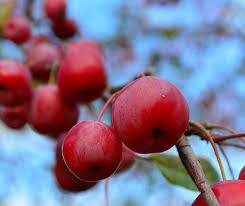
South Korea's Apple Use Research Institute has developed a reddish natural pigment extraction and recycling method using wasted apple peel and crab apples.
Apple peel contains the reddish natural pigments called anthocyanins.
Meanwhile, crab apples are pollinizers that help the cultivation species bear fruits. It is planted with the cultivation species in a ratio of 1:9.
Most crab apples are disposed of due to their sour and astringent taste.
According to the study, red, black apples, and Arnold species with reddish skin and flesh are the most suitable for creating natural pigments for natural pigments for processed foods with low acidity and supplementary health foods and medicines.
They also can be used as a raw material for color glow cosmetics such as blushers and lipsticks
The institute operates under the umbrella of the Gyeongsangnam-do Agricultural Research and Extension Services.







