


 ING Says Yen Is 20% Undervalued Against Dollar
  US Dollar Rises as Inflation Backs Fed Pause, Canadian Dollar Slides
  Australia Inflation Beats Forecasts, Raising RBA Rate Hike Risk
  The importance of teaching students what AI can’t do
  Want to muck around with a real quantum computer? Now you can
  Dollar Rises as Hotter PCE Inflation Lifts Fed Rate Hike Bets
  Oil Prices Fall as Middle East Ceasefire Hopes Rise
  29 US states are suing Meta. What might it mean for the rest of the world?
  Gold Prices Rise Toward $4,650 Ahead of Warsh’s Jackson Hole Speech
  Asian Energy Stocks Slide as Iran-Oman Hormuz Talks Pressure Oil Prices
  US-Canada Tariff War Escalates With 50% Auto Duties


 Add as a preferred source on Google
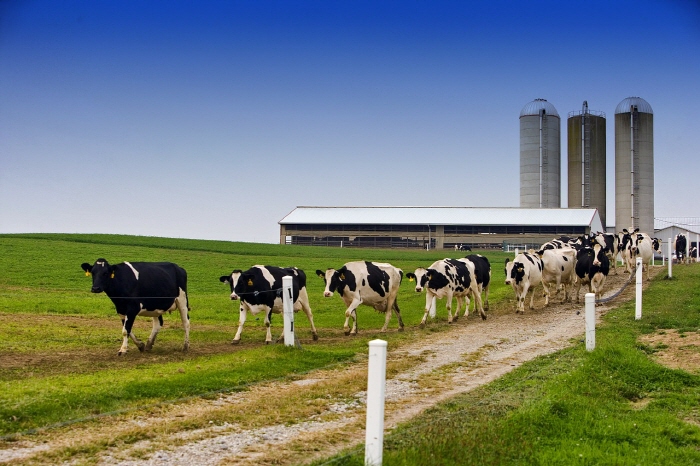
Dairy prices have been tumbling since early 2014, a well appreciated negative for the trade terms and nominal GDP growth. After a 60% fall, outcomes in dairy auctions have become more balanced in recent months. But given Fonterra's smoothing of payouts, there are lags between spot prices, to prices received by farmers, and the recording of those outcomes in the terms of trade.
Additionally, the revenue underperformance from lower dairy prices becomes more apparent as we move toward peak production season. It is estimated a further 8% fall in the trade terms to be recorded by the end of 2016. This may not seem very substantial, as it puts the total estimated trade terms adjustments from the peak at only about 40% of the shock Australia has suffered.
However, trade's share of GDP is relatively higher in New Zealand, and the transmission to national income and standards of living is much more direct, given the decentralized structure of the agricultural-based export sector. Also, the dairy sector shock is now starting to have real (as opposed to nominal) effects on the export sector.
Fonterra have actively decided to withhold supply at dairy auctions, during the usual peak season of production growth in Q3, in an attempt to prop up prices. Weaker real output will become more noticeable in seasonally adjusted real exports from Q3 2015 data on. In September's monthly trade data, dairy export revenues plunged 16%, with volumes down 12% in the month.
New Zealand's external imbalances have been a constant source of vulnerability through the last thirty years.
Between 2010 and 2015, the concern had retreated from same view, with the higher trade terms, hangover from the late 2000s housing correction, and government belt tightening holding the current account deficit in a benign (by New Zealand standards) range of around 3% of GDP.
Over the prior decade the Current Account Deficit had averaged over 4.5% of GDP, and at one point during the last housing boom in the mid-2000s neared 8%.

- News

- Economy

- Central Banks
- Investing
- Research
- Roundups
- Digital Currency
- Insights
- Technical Analysis
- Technology
- Business
- Law
- Health
- Nature
- Fintech
- Science
- Topic
- Opinions
- ©Econometrics LLC . All Rights Reserved.
Struggling Kiwis diary industry leads to current account deficit in 2016
Tuesday, January 26, 2016 12:50 PM UTC
Editor's Picks



- Market Data
Most Popular




