


 Pentagon Defies Court Order on Press Access, Judge Rules
  Mexico President Claudia Sheinbaum Reconsiders Early School Closure Plan Ahead of 2026 World Cup
  Trump Administration Dismisses Entire National Science Board, Sparking Debate Over Scientific Independence
  Nike Tariff Refund Lawsuit Sparks Consumer Backlash Over Price Increases
  Justice Jackson Slams Supreme Court's Growing Use of Shadow Docket
  US Trade Court Blocks Trump’s 10% Global Tariffs
  Dominican Republic Halts GoldQuest Mining Project Amid Environmental Protests
  Rubio Presses Italy Over Iran Support as Tensions Test U.S.-Italy Alliance
  Australia Launches Public Hearings on Bondi Beach Shooting and Rising Antisemitism
  Judge Rules DOGE Humanities Grant Cuts Unconstitutional
  Rubio Approves $25.8 Billion Weapons Sale to Middle East Allies
  Trump Administration Dismisses Entire National Science Board, Raising Concerns Over Scientific Independence
  Judge Delays SEC Settlement With Elon Musk Over Twitter Stock Disclosure Case
  DOJ Ends Probe Into Fed Chair Jerome Powell, Boosting Kevin Warsh Confirmation Prospects
  Trump and IRS in Settlement Talks Over $10 Billion Tax Return Leak Lawsuit
  Lula and Trump Talks Signal New Phase in Brazil-US Relations
  U.S. Sanctions Former DR Congo President Joseph Kabila Over Rebel Support


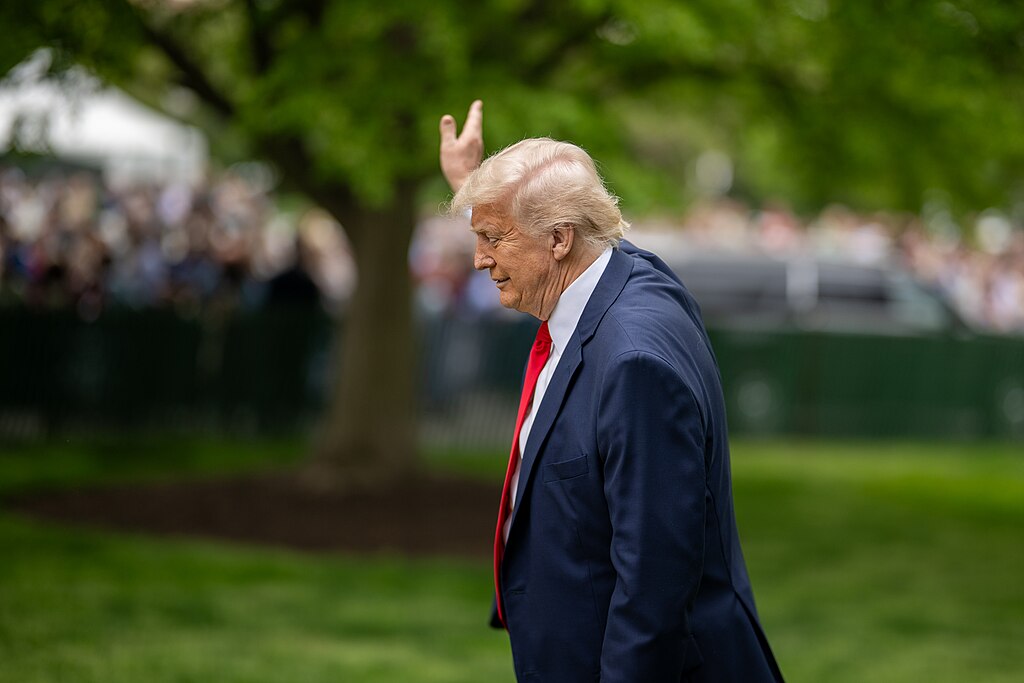
A coalition of 21 Democratic-led states and the District of Columbia has filed a federal lawsuit challenging the Trump administration’s move to restrict food assistance for hundreds of thousands of legal immigrants. The lawsuit, filed in Eugene, Oregon, argues that the U.S. Department of Agriculture (USDA) overstepped its authority by issuing new guidance that classifies certain non-citizens—including refugees, asylees, and humanitarian parolees—as permanently ineligible for Supplemental Nutrition Assistance Program (SNAP) benefits.
According to the attorneys general, the USDA’s interpretation of a provision in the One Big Beautiful Bill Act, signed by President Donald Trump in July, contradicts federal law. While the act tightened work requirements and limited SNAP access to U.S. citizens and lawful permanent residents, the states argue it still allows refugees, individuals granted asylum, and parolees to gain eligibility once they become green card holders and meet standard requirements. Instead, the USDA’s October 31 guidance marked these groups as permanently “not eligible,” forcing states to overhaul eligibility systems under threat of federal penalties.
New York Attorney General Letitia James condemned the move, stating that no agency has the authority to “arbitrarily cut entire groups of people out of the SNAP program,” especially when the benefits are a crucial lifeline for low-income families. The White House defended the policy, emphasizing Trump’s pledge to curb government waste and ensure benefits are directed to citizens. While undocumented immigrants are already barred from SNAP, the new directive would impact legal immigrants who historically qualified after adjusting their status.
In fiscal year 2023, refugees made up about 1% of SNAP recipients—roughly 434,000 people—while other non-citizens, including lawful permanent residents, represented 3%, or 1.3 million recipients. With SNAP supporting 42 million Americans, state officials warn that the USDA’s guidance could disrupt benefits for vulnerable groups and create administrative chaos.
The states seek to block the policy, arguing that the USDA’s interpretation is unlawful and undermines decades of established eligibility rules.







