


 Italy Approves Electoral Reform Ahead of 2027 Election
  Trump Rallies in Texas as Republicans Face Tight Midterm Races
  Trump Backs Florida Golf Course as Presidential Retreat
  Trump Cancels Alabama Football Trip as Hurricane Isaias Approaches
  Pentagon Orders Iran Strike Preparations as Trump Weighs Military Action
  Zelenskiy Slams US Over Deadly Russian Strikes on Ukraine
  Tsai Warns of China’s Sustained Pressure on Taiwan
  Hegseth Praises USS Abraham Lincoln Crew After Record Iran War Deployment


 Add as a preferred source on Google
This is likely to mark the end of the two-party system that has prevailed for nearly four decades. The outcome of the vote nevertheless remains highly uncertain. At the very least, the status quo is unlikely to persist. Polls point to the ruling Partido Popular in a coalition, most probably with centre-right Ciudadanos, to remain in power. But the very high number of undecided voters (and the difficulty pollsters have had in predicting many election outcomes this year) means anything is possible, including an unstable minority govt or an alternative coalition altogether.
A PSOE-Podemos or PSOE-Ciudadanos govt are both still conceivable though polls suggest these outcomes are less likely. While a left-leaning majority would represent a clear break from the current status quo, PSOE would likely exert a moderating influence on Podemos, which has itself already rolled back from some of its more controversial proposals.
The coalition negotiations themselves could at the very least imply a prolonged period of policy uncertainty. This may weigh on business investment in particular--precisely at a time when the Spanish economy is becoming increasingly reliant on domestic demand. The fiscal/structural adjustment process also remains incomplete, and an inconclusive result may weigh on market sentiment (though seems less likely to materially impact EUR).

- News

- Economy

- Central Banks
- Investing
- Research
- Roundups
- Digital Currency
- Insights
- Technical Analysis
- Technology
- Business
- Law
- Health
- Nature
- Fintech
- Science
- Topic
- Opinions
- ©Econometrics LLC . All Rights Reserved.
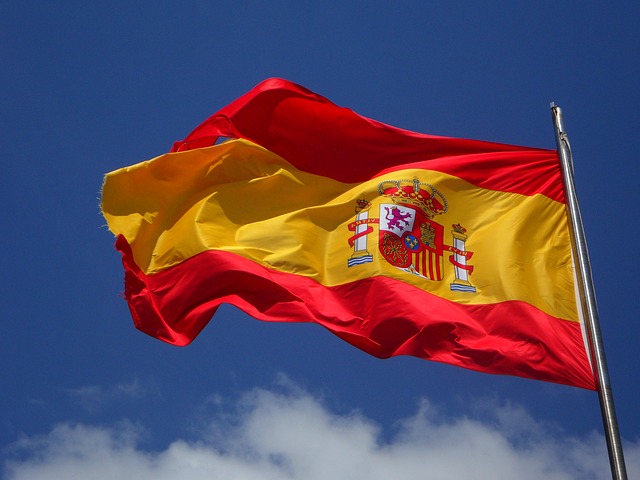
Spain heads to the polls this weekend for general elections
Thursday, December 17, 2015 11:14 PM UTC
Editor's Picks



- Market Data
Most Popular




