


 Nvidia Partners With Fanuc and Yaskawa to Accelerate AI Robotics in Japan
  NASA's Artemis II Mission: First Crewed Lunar Journey Since Apollo
  xAI Sues Man for Allegedly Using Grok to Generate AI Child Abuse Deepfakes
  Australia Flags Child Safety Gaps at Apple, Meta, Google Over Online Sexual Extortion
  ASML Raises 2026 Outlook as AI Chip Demand Lifts Q2 Earnings
  SK Hynix Stock Soars as AI Memory Demand Outlook Fuels Chip Rally
  NASA Artemis II: First Crewed Moon Mission Since Apollo Takes Four Astronauts on 10-Day Lunar Journey
  Trump Signs Executive Order to Boost AI Research in Childhood Cancer
  SoftBank Corp Partners With Sierra to Expand AI Customer Support Across Japan
  Apple Intelligence China Approval Lifts Alibaba and Baidu Shares
  Trump Administration to Launch Autism Initiatives Targeting Acetaminophen Use and New Treatment Options
  SpaceX’s Starship Completes 11th Test Flight, Paving Way for Moon and Mars Missions
  Cogent Biosciences Soars 120% on Breakthrough Phase 3 Results for Bezuclastinib in GIST Treatment
  Trump and Merck KGaA Partner to Slash IVF Drug Costs and Expand Fertility Coverage


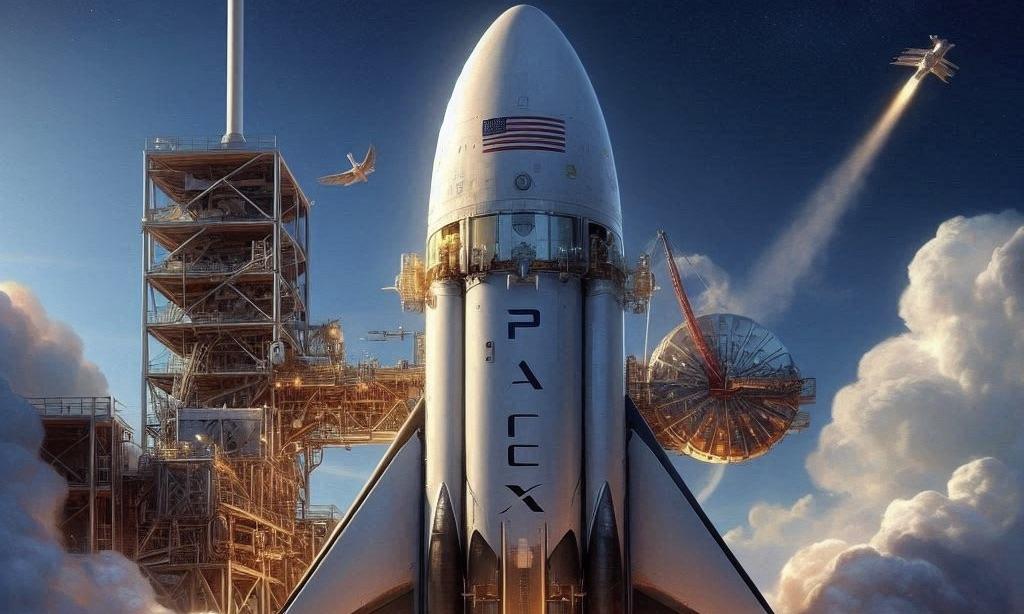
SpaceX is set to relaunch its Falcon 9 rocket on Saturday (July 26) after a rare flight anomaly earlier this month. The company identified and fixed an engine issue, ensuring the rocket's safety and readiness for its next mission.
SpaceX Identifies and Fixes Falcon 9 Anomaly, Set for Saturday Relaunch
After a rare flight anomaly earlier, this month led to the loss of its second-stage Falcon 9, SpaceX is ready to fly its workhorse rocket again on Saturday, according to a fresh update from the company. In a post on X and a press release, SpaceX highlighted that the engine anomaly, which "damaged the engine hardware," was due to a faulty sense line for the second-stage engine's liquid oxygen supply. SpaceX will remove this hardware from the second stage as part of remediation since it is unnecessary for the Falcon 9's safety profile. It has also "proactively replaced" some hardware in "select locations" in its active booster fleet.
According to SpaceX, the Falcon 9 second stage developed a liquid oxygen leak due to "a crack in a sense line for a pressure sensor," which cracked because of "fatigue caused by high loading from engine vibration" due to a loose clamp that typically holds the line in place. These lines, called impulse lines, protect sensors from extreme temperatures and vibrations in a system.
The liquid oxygen leak excessively cooled the second stage's Merlin engine's hardware. Within the hardware system, components responsible for pumping injection fluid to the engine were also affected, leading to a "hard start" for the engine, according to the firm. Hard starts generate excessive force, which damages the engine hardware and leads to the second stage, where the engine cannot control its orientation in space.
SpaceX to Relaunch Falcon 9 on Saturday After Thorough Inspection and FAA Approval
Following its investigation, SpaceX plans to conduct its next launch of the Falcon 9 on Saturday (July 26). Before the earlier release, there were hints that it was ready to return to flight as SpaceX static fired a Falcon 9, Wccftech reported.
As part of the rectifications following the anomaly, SpaceX will remove the "failed sense line and sensor on the second stage engine." The company has tested the design change at its facilities in McGregor, Texas, with the Federal Aviation Administration (FAA) also involved during the qualification analysis. SpaceX added that it evaluated its active booster fleet for similar anomalies and checked the rockets' sense lines and clamps. It shared that this review and inspection resulted in a "proactive replacement in select locations.”
Based on these inspections and SpaceX's report to the FAA, the firm believes it can return to flight on Saturday. An update from the FAA states that the "Falcon 9 vehicle can return to flight operations while the overall investigation remains open."
SpaceX's Falcon 9 has become America's and the industry's workhorse due to its rapid cadence fueled by booster reuse. Despite the second-stage failure, the first-stage booster has not malfunctioned during flight in years. This rocket is responsible for launching SpaceX's Starlink satellites and astronauts for NASA to the International Space Station (ISS) and national security launches for the Pentagon and other agencies.







