


 UK Consumer Confidence Weakens Amid Middle East Conflict and Rising Living Costs
  Oil Prices Rebound as Iran Denies U.S. Talks, Middle East Tensions Persist
  Oil Prices Rebound as Iran Denies U.S. Talks Amid Gulf War Supply Fears
  Australia-EU Free Trade Deal Signed After Years of Negotiations
  Gold Prices Drop Amid Inflation Fears and U.S.-Iran Escalation
  U.S. Oil Prices Slide as Middle East Ceasefire Talks Spark Market Optimism
  Bank of Japan Eyes April Rate Hike Despite Inflation Dip, ING Says
  Gold Prices Fall for Tenth Straight Session Amid Iran Uncertainty and Rate Concerns
  Asian Markets Rally as Oil Prices Tumble and Middle East Peace Hopes Emerge
  U.S. Dollar Weakens as Trump Signals Iran Deal Possibility
  Bank of Japan Officials Signal Continued Interest Rate Hikes Amid Inflation Concerns
  Suspicious Oil Market Trades Precede Trump's Iran Peace Post by 15 Minutes
  Japan Eyes Reduction in Inflation-Linked Bond Buybacks Amid Surging Investor Demand
  U.S. Futures Slide as Iran Denies Nuclear Talks with Washington
  Global Markets Reel as Middle East Tensions Escalate Energy Fears


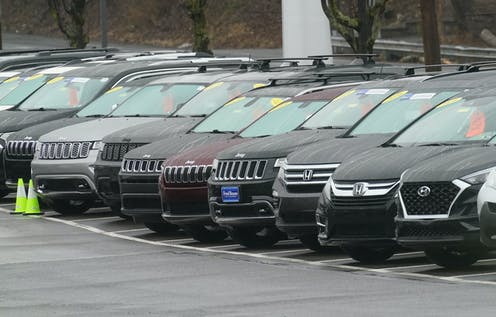
South Korea’s used car export industry is booming, offsetting the slowdown in new car shipments to the United States caused by steep tariffs. At Incheon, the nation’s largest used car export hub, workers are loading thousands of vehicles daily, many bound for markets in Russia, Central Asia, and the Middle East. Traders say demand for older Hyundai and Kia cars remains strong, especially as a weaker won boosts competitiveness.
According to trade ministry and customs data, overall car exports rose 9% year-on-year in August to a record $5.5 billion. Of that, used cars contributed $711.5 million, marking a 35% increase. In the first half of 2025 alone, South Korea exported 437,151 used vehicles worth $3.9 billion—72% more than the previous year. Used cars now represent about a quarter of total vehicle export volume and 13% of export value.
Industry experts note that while U.S. tariffs of 25% weigh on new vehicle sales, they may inadvertently lift global demand and prices for second-hand cars. Shin Hyun-do, director of the Korea Used Car Distribution Research Institute, emphasized that rising new car prices will naturally push buyers toward used alternatives, further strengthening the sector.
Markets in Russia and the Middle East are driving this growth. South Korea has even sold more used cars than new vehicles to Middle Eastern buyers this year, while exports to Russia surged 40% despite sanctions and restrictions. Japan’s restrictions on used car sales to Russia have also opened opportunities for South Korean exporters.
However, industry insiders warn that poor infrastructure at export hubs like Incheon, where vehicles are stored on muddy dirt lots, threatens the sustainability of this growth. Calls are mounting for government intervention to create modernized export complexes and establish a registration system for exporters.
With demand soaring and used car exports now recognized as one of South Korea’s fastest-growing industries—alongside cosmetics—policymakers are being urged to step in and support an industry that has become a vital contributor to national trade.













