


 Trump Votes by Mail Despite Calling It "Cheating" as Democrat Wins Mar-a-Lago District
  Oil Prices Climb as Iran Reviews U.S. Peace Proposal Amid Middle East Tensions
  Japan Eyes Oil Futures Intervention to Stabilize Yen Amid Middle East Crisis
  Iran-Israel Missile Strikes Continue Amid Mixed Signals on U.S.-Iran Diplomacy
  WTO Reform Talks Begin in Cameroon Amid Global Trade Tensions
  Federal Reserve Balance Sheet Reduction: Brookings Research Outlines Possible Path Forward
  Pakistan's Diplomatic Rise: Mediating U.S.-Iran Peace Talks
  Trump Backs Down on Iran Strikes After Gulf Allies Sound the Alarm
  Japan's Private Sector Growth Slows in March Amid Rising Costs and Middle East Uncertainty
  Cuba Receives Humanitarian Aid Convoy Amid U.S. Sanctions
  Israel Eyes Litani River as New Border Amid Escalating Lebanon Offensive
  Asian Markets Rally as Oil Prices Tumble and Middle East Peace Hopes Emerge
  Taiwan Arms Deal on Track Despite U.S.-China Summit Uncertainty
  Trump's Overhaul of American History: Museums, Monuments, and Cultural Institutions
  Asian Currencies Weaken as Dollar Rebounds Amid Middle East Uncertainty and Japan Inflation Data
  U.S. Dollar Weakens as Trump Signals Iran Deal Possibility
  Trump Administration Settles Lawsuit Barring Federal Agencies from Pressuring Social Media Censorship


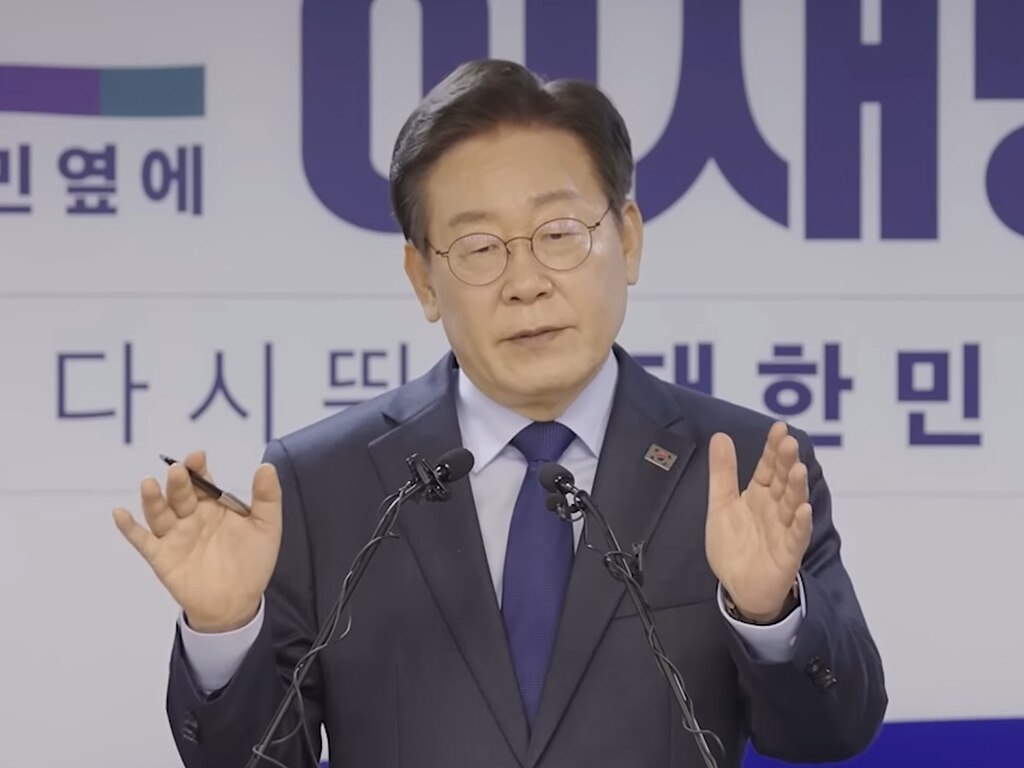
South Korean President Lee Jae Myung pledged on Thursday to implement a bold fiscal policy to revive the economy and address mounting challenges from U.S. trade tensions and North Korea. Speaking at a press conference marking 30 days in office, Lee emphasized restoring public trust after the nation’s recent constitutional crisis triggered by former President Yoon Suk Yeol’s imposition of martial law.
Lee, elected in a June 3 snap election, underscored the urgent need for expansionary fiscal measures. His administration has proposed a $14.7 billion supplementary budget to support domestic demand, with a parliamentary vote expected soon. “The proactive role of national finance is more important than ever,” Lee said, reaffirming his commitment to improving citizens’ livelihoods.
On trade, Lee acknowledged that negotiations with the U.S. over looming tariffs have been difficult. Washington’s July 8 deadline threatens major sectors like semiconductors, autos, and steel. While South Korea already offers near-zero tariffs under its FTA with the U.S., non-tariff barriers remain a sticking point. Lee stressed that while the U.S. alliance remains a foreign policy cornerstone, his administration would also work pragmatically to enhance ties with China and Russia.
Turning to North Korea, Lee highlighted the economic toll of rising tensions and called peace a critical part of “a virtuous cycle of security and economic growth.” Following his decision to halt anti-Pyongyang loudspeaker broadcasts, Lee noted a swift and positive response from the North and pledged further de-escalation measures. “Even in times of conflict, dialogue must continue,” he said.
Lee’s remarks signal a shift from Yoon’s hardline stance, which saw the 2018 inter-Korean military pact scrapped, heightening regional tensions and economic uncertainty.













