


 US Stock Futures Flat as Iran Strait of Hormuz Demands Fuel Oil Concerns
  Oil Prices Rise as Hormuz Reopening Remains Uncertain
  Iran-Oman Near Strait of Hormuz Deal as Shipping Tensions Persist
  Oil Prices Set for Steep Weekly Losses as Hormuz Deal Stalls
  Asian Currencies Steady as Markets Await U.S. Jobs Data
  US Job Growth Seen Picking Up in July
  BOJ Signals Faster Rate Hikes as Inflation Risks Raise September Move Odds
  Oil Prices Rise as Hormuz Reopening Remains Uncertain
  China Trade Surplus Beats Forecasts in July as Exports Stay Strong
  US Dollar Falls as Weak July Jobs Report Dents Fed Rate Hike Bets
  Australian Shares Fall as Westpac Slides, Miners Gain Ahead of RBA Decision
  Asian Stocks Rise as Weak US Jobs Data Eases Fed Rate Hike Bets
  China Exports Beat July Forecasts as AI Demand Fuels High-Tech Trade
  Japan Posts First Current Account Deficit in 17 Months as Dividend Payments Surge


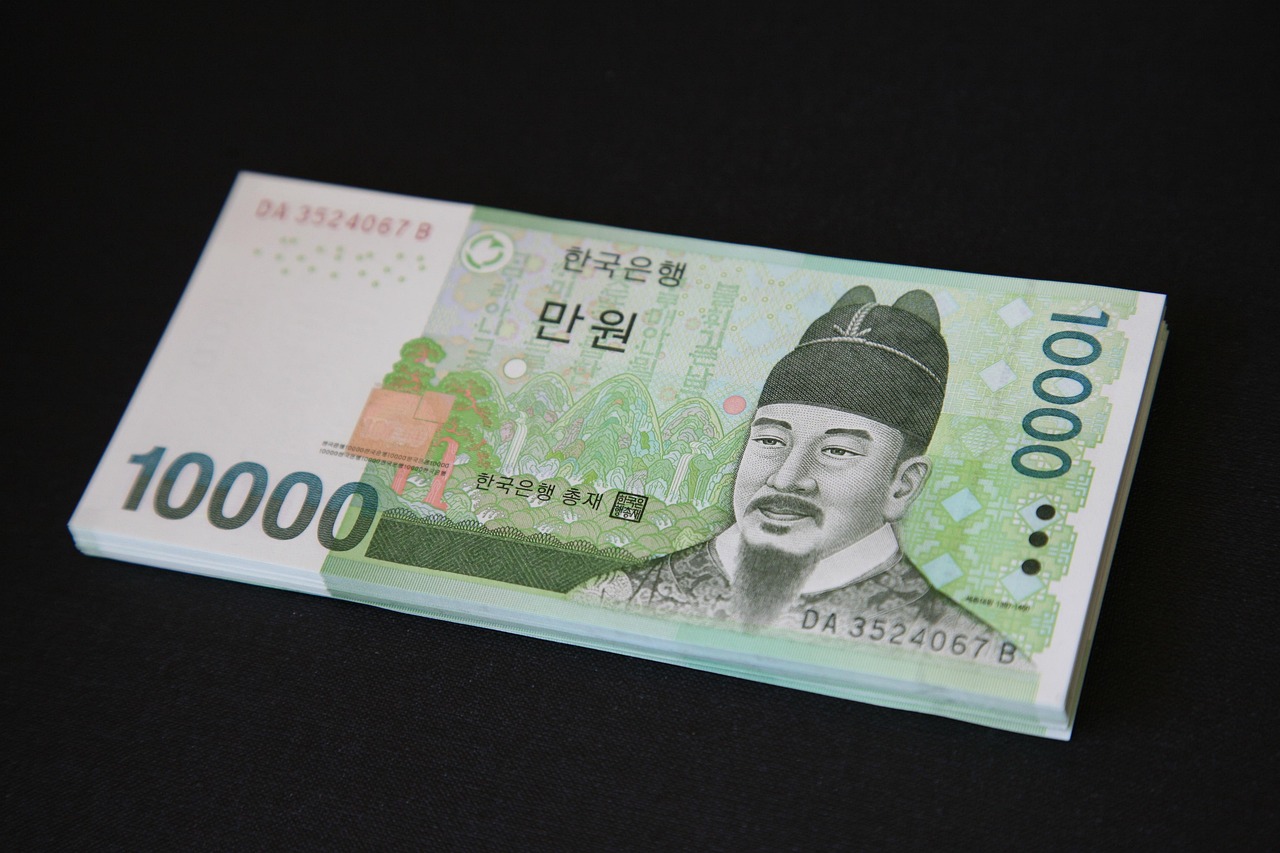
The South Korean won led declines across Asian currencies on Monday as the U.S. dollar strengthened, while the Japanese yen retreated after giving up some of its intervention-driven gains.
The U.S. Dollar Index rose 0.18% to 99.72, although it remained close to its lowest level since June 2. Currency markets are now focused on upcoming U.S. inflation data for fresh signals on the Federal Reserve’s interest rate outlook.
A weak U.S. jobs report on Friday reduced expectations for a September Fed rate move. The U.S. economy unexpectedly lost jobs in July, while payroll growth for previous months was revised significantly lower. Markets now see around a 44% probability of a September move, compared with 67% a week earlier.
USD/KRW climbed 0.54% to 1,415.05, making the South Korean won the weakest major Asian currency in early trading. Rising oil prices added pressure, with Brent crude approaching $84 per barrel amid uncertainty surrounding the reopening of the Strait of Hormuz. South Korea’s dependence on imported energy makes the won particularly vulnerable to higher fuel costs.
The Japanese yen also weakened as USD/JPY gained 0.30% to 158.27. Japan and the U.S. recently conducted their first coordinated yen-buying intervention since 1998 after the currency fell near a four-decade low of 164 per dollar. The intervention initially pushed the yen toward 155, but it has since weakened above 158.
Despite intervention efforts, wide U.S.-Japan interest rate differentials, Japan’s fiscal outlook and geopolitical uncertainty remain key pressures on the yen. The Bank of Japan’s July meeting summary also indicated growing support for faster rate hikes amid inflation concerns.
Elsewhere, the Australian dollar slipped ahead of Tuesday’s Reserve Bank of Australia decision, with AUD/USD down 0.14% to $0.7058. NZD/USD declined 0.2% to $0.5884.
Attention now turns to Wednesday’s U.S. CPI report. July core inflation is expected to rise 0.2% month-on-month, with the annual rate easing to 2.5% from 2.6%. U.S. producer prices and retail sales later in the week will provide additional clues on the Fed’s policy direction.







