


 Dollar Falls as Oil Eases, Yen Jumps on Intervention Signals
  Asian Stocks Fall as Bond Yields Surge Ahead of Trump-Xi Summit
  China Agrees to Buy 20 Million Tons of U.S. Coal
  Fed’s Hammack Says Bond Yield Surge Is Not Driven by Inflation Fears
  Canadian Dollar Faces Pressure as Fed-BoC Policy Gap Widens
  Dollar Holds Near Two-Month High as Yen Approaches 160
  Germany’s 2026 Growth Outlook Strengthens on Fiscal Spending
  Mexico-US Trade Talks Delayed to October as Tariff Negotiations Continue
  Fed Unveils Stablecoin Rules Under GENIUS Act
  Trump to Ease U.S. Fuel-Economy Standards
  US Stock Futures Fall as Treasury Yields Surge Ahead of Trump-Xi Summit
  Wall Street Ends Flat as Oil, Treasury Yields and Fed Jitters Rattle Markets
  Fed Unveils Stablecoin Rules Under GENIUS Act
  Asian Stocks Fall as Surging Bond Yields Rattle Markets
  ECB May Stop Rate Hikes After December, Capital Economics Says
  UK PM Burnham to Unveil Economic Vision at Labour Conference


 Add as a preferred source on Google
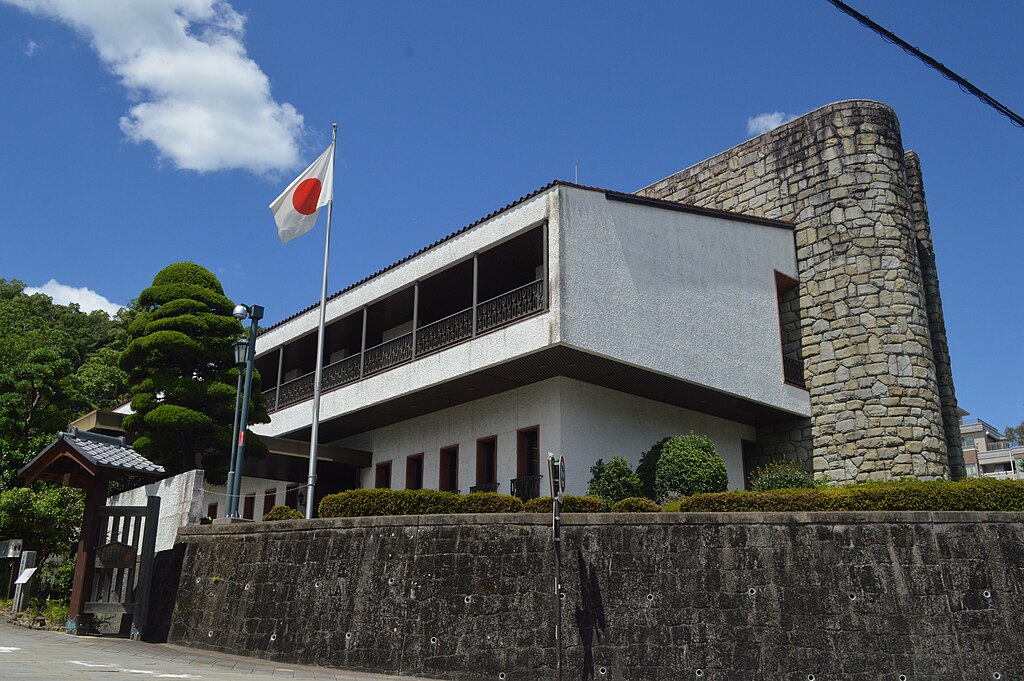
Bank of Japan policymakers are increasingly concerned about inflation pressures, with several officials suggesting that interest rate hikes may need to come faster than financial markets currently expect, according to a summary of opinions from the BOJ’s July policy meeting.
The comments strengthen expectations that the Bank of Japan could raise interest rates as early as September as it seeks to prevent inflation from moving persistently above its 2% target.
Several BOJ board members highlighted growing upside risks to underlying inflation. A weaker Japanese yen has increased import costs, while strong demand related to artificial intelligence is adding to price pressures. Elevated fuel costs linked to the Middle East conflict are also contributing to concerns about Japan’s inflation outlook.
One policymaker said the central bank should pay greater attention to the possibility of inflation overshooting its target, meaning the pace of BOJ rate hikes could ultimately be quicker than markets anticipate.
Another member indicated that Japan’s monetary policy challenge has changed significantly. Rather than focusing primarily on lifting underlying inflation toward the 2% target, policymakers must now consider how to prevent inflation from exceeding that level for an extended period.
The official argued that delaying monetary tightening carries greater risks and called for a faster reduction in the BOJ’s accommodative policy stance.
Two other opinions in the meeting summary supported raising interest rates “nimbly” in response to inflation risks. Policymakers also discussed moving the BOJ policy rate closer to a neutral level, where borrowing costs neither stimulate nor restrict economic activity.
The increasingly hawkish views are consistent with BOJ Governor Kazuo Ueda’s messaging following the July meeting. Although the central bank kept interest rates unchanged, Ueda’s comments indicated that another rate increase could come soon if inflation and economic conditions develop as expected.
The July meeting summary therefore puts greater attention on the BOJ’s September policy decision. With yen weakness, import prices, AI-related demand and energy costs creating additional inflation pressure, investors may need to prepare for the possibility that Japan’s interest rate normalization proceeds faster than previously anticipated.







