


 Gold Prices Hold Steady Ahead of Trump-Xi Summit, Middle East Risks
  US, Japan and South Korea Back Taiwan Ahead of Trump-Xi Summit
  South Korea to Brief Lawmakers on $350 Billion US Investment Package
  U.S. Dollar Hits Eight-Week High After Fed Rate Hike
  Asian Currencies Muted as Dollar Firms Ahead of Trump-Xi Summit
  Gold Prices Slip as Strong Dollar and Hawkish Fed Pressure Bullion
  US Stock Futures Rise as Meta Muse Fuels AI Rally
  Vietnam, US Trade Deal Could Be Signed Soon, To Lam Says
  U.S. Stock Futures Rise Ahead of Trump-Xi Summit, Middle East Risks Weigh
  European Stocks Slip as Iran Tensions Offset Strong Eurozone Data
  US-China Talks Target AI, Tariffs Ahead of Trump-Xi Summit
  Gold Prices Rise as Oil Slide Eases Fed Rate Hike Fears
  Dollar Hits Two-Month High as Fed Rate Hike Bets Rise
  Oil Prices Tumble on U.S.-Iran Diplomacy Hopes, Supply Relief
  Asia Stocks Rise on AI Demand as Oil Eases
  Yen in Focus as BOJ, Fed Rate Hikes Reshape Currency Markets
  Yen Weakens as Dollar Gains on Widening US-Japan Rate Gap


 Add as a preferred source on Google
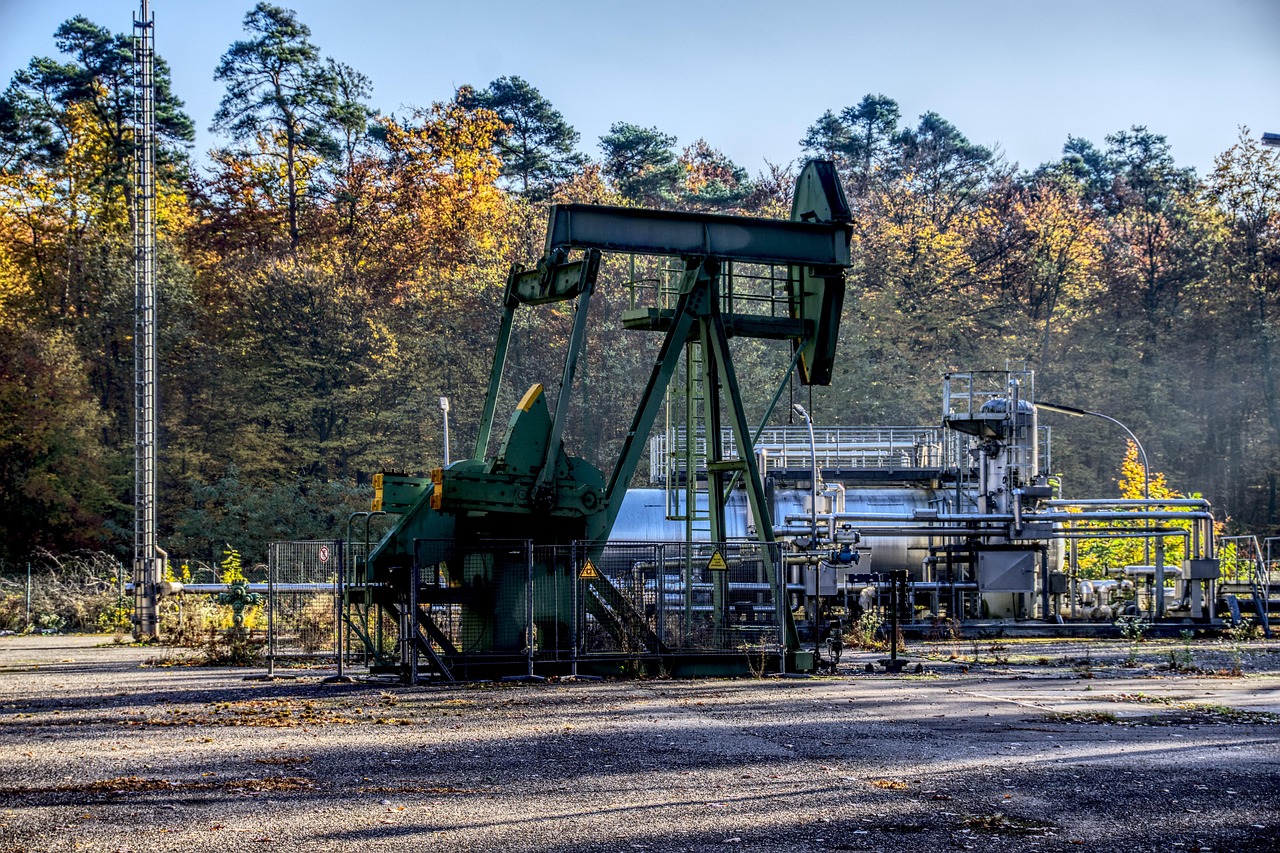
Oil prices fluctuated on Friday and remained on course for sharp weekly declines as uncertainty surrounding a potential agreement to reopen the Strait of Hormuz continued to drive volatility across global energy markets.
Brent crude futures slipped 0.2% to $82.29 per barrel, while U.S. West Texas Intermediate (WTI) crude futures also fell 0.2% to $77.14 per barrel. Despite recovering some earlier losses, Brent was down about 8.5% for the week, while WTI was headed for an 8.7% weekly decline.
Crude oil prices came under heavy pressure earlier in the week after U.S. officials, including President Donald Trump, suggested that negotiations with Iran were underway and that progress toward reopening the Strait of Hormuz could be near. Tehran, however, denied holding such talks and said it was working only with Oman on a framework for managing the strategically important shipping route.
The Strait of Hormuz remains a major concern for oil markets because of its importance to global energy supplies. Kpler data showed just eight confirmed vessel crossings through the waterway on Thursday.
Oil prices rebounded sharply on Thursday after Iran's Fars News reported that authorities were reviewing an initial Hormuz proposal. The reported framework would restrict U.S., Israeli and other vessels considered hostile until compensation was paid. It would also establish separate entry and exit corridors near Iran and Oman before eventually shifting traffic to a central route managed partly by Tehran.
Such conditions would likely face strong opposition from Washington.
On Friday, Axios reported that Iran was awaiting final approval from its Supreme National Security Council for an agreement involving Oman and the United States. Reuters later cited a U.S. official as saying progress had been made.
Geopolitical risks also remained elevated as Yemen's Iran-aligned Houthis reportedly targeted Saudi military positions and infrastructure, renewing concerns about Red Sea shipping. Meanwhile, Bab el-Mandeb traffic improved, with confirmed vessel crossings rising 18% from the previous day to 26.
Oil traders were also assessing weaker-than-expected U.S. nonfarm payroll data, which reduced expectations for Federal Reserve interest rate hikes. Lower borrowing costs could support economic activity and global oil demand.







