


 TSA Removes Chairs for Airport ID Check Officers
  Iran Plans Stronger Response if US Attacks Resume
  California Leads Lawsuit Over Trump’s $810 Million Funding Cuts
  Russia Warns NATO of Nuclear Response Over Kaliningrad
  New Zealand Election Raises Policy Uncertainty for Investors
  Brazil Presidential Debate Canceled as Lula, Bolsonaro Skip Event
  US Appeals Court Keeps Trump IRS Case Sanctions in Place
  Israel Tightens Pilot Security After Flydubai Incident
  Putin Says Western Firms Could Regain Russian Assets
  Trump Demands Powell Resign Over Fed Renovation Cost Overruns
  South Korea Warns Ukraine Over North Korean POW Dispute
  US Officials See China Taiwan Invasion Before 2028 as Less Likely
  Tsai Ing-wen to Visit US for Stanford Security Conference
  Ukraine Deploys FP-7 Ballistic Missile in Combat for First Time
  Lula Leads Flavio Bolsonaro 48%-45% in Datafolha Poll
  US Waives $320M Egypt Military Aid Conditions After Iran War Role
  Trump Praises Boeing 737 Max After Flydubai Crash Attempt


 Add as a preferred source on Google
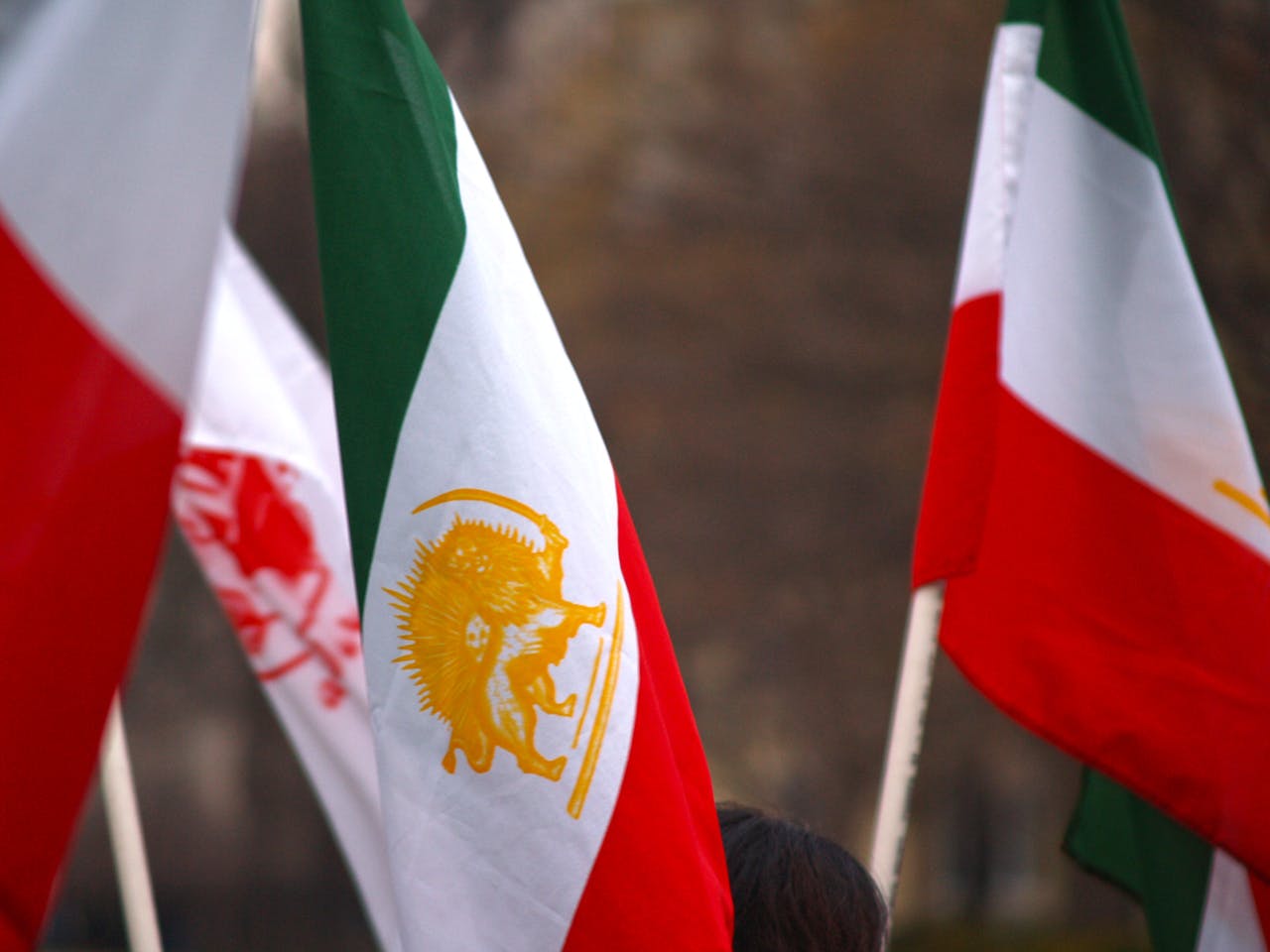
Iran said Sunday that an agreement with Oman establishing new shipping lanes in the Strait of Hormuz is nearing completion, but Tehran stressed that the crucial waterway will remain closed until the United States meets several conditions.
The proposed Iran-Oman agreement would outline shipping routes to be used after commercial traffic resumes through the Strait of Hormuz, a major global energy corridor that previously handled about one-fifth of worldwide oil and liquefied natural gas shipments.
Iranian Foreign Minister Abbas Araqchi said the shipping arrangement was in its “final stages.” However, he maintained that reopening the Strait of Hormuz depends on broader demands, including U.S. compensation for attacks on Iran, an end to sanctions and blockades, the release of frozen Iranian assets and an end to threats against Tehran and its regional allies.
A U.S. official previously said an agreement was close and indicated Washington would lift its blockade on Iranian ports once commercial shipping resumed without obstruction. U.S. measures would be linked to Iran fulfilling its commitments.
Despite indirect communications through intermediaries, Araqchi said Iran and the United States are not currently holding formal negotiations. President Donald Trump, meanwhile, described contacts with Tehran as limited, saying Washington was “semi-negotiating” while monitoring Iran’s economic situation.
Regional tensions remain elevated. The United Arab Emirates accused Iran of attacking a vessel linked to its state oil company, while Yemen’s Iran-aligned Houthis have intensified operations around another important shipping corridor connecting the Red Sea and Gulf of Aden.
The Houthis also claimed responsibility for a drone attack on Saudi Aramco’s Jazan refinery. Saudi Arabia confirmed that a fire occurred at the facility but said it was extinguished without injuries.
The incident came shortly after Saudi Arabia signed a defense pact with Turkey and Pakistan amid worsening regional instability. Turkish Foreign Minister Hakan Fidan said the alliance was not aimed at Iran and that members would consult on the type and extent of assistance provided if one of them came under attack.
With the Strait of Hormuz still restricted, developments surrounding the Iran-Oman shipping deal remain critical for global oil markets, Gulf security and international energy supplies.







