


 RBA Minutes Signal Australia Central Bank Remains Ready to Raise Interest Rates if Inflation Persists
  US Stock Futures Hold Steady Ahead of June Jobs Report as Fed Rate Outlook Remains in Focus
  Dollar Slips Ahead of Key U.S. Jobs Data as Fed Rate Outlook, ECB, and Iran Talks Shape Forex Markets
  Wall Street Futures Rise Ahead of JOLTS Data, Nike Earnings, and U.S.-Iran Talks
  Asian Stocks End Strong Quarter as Dollar Surges, Yen Hits 40-Year Low Ahead of US Jobs Data
  Asian Stocks Slide as Chip Shares Tumble Ahead of Key U.S. Jobs Report
  Gold Price Drops to Eight-Month Low as Fed Rate Hike Bets Weigh on Bullion. Source: Photo by Michael Steinberg via Pexels
  Greece’s Bad Loan Crisis Continues to Limit Credit Access Despite Economic Recovery
  Oil Prices Rise as U.S.-Iran Talks Keep Geopolitical Risks in Focus
  Oil Prices Slip as Iran Talks and Strong Supply Outlook Ease Market Concerns
  Trump Suspends Some Morocco Fertilizer Tariffs to Ease U.S. Supply Shortage
  Japan Signals Surprise Yen Intervention Strategy as BOJ Hawkish Stance Puts FX Traders on Alert
  UK House Prices Hold Steady in June as Annual Growth Misses Forecasts
  Chip Stocks Rally as Samsung and SK Hynix’s $1.3 Trillion Investment Plan Boosts AI Optimism
  UN Chief Urges Nations to Close $100 Million UNRWA Funding Gap


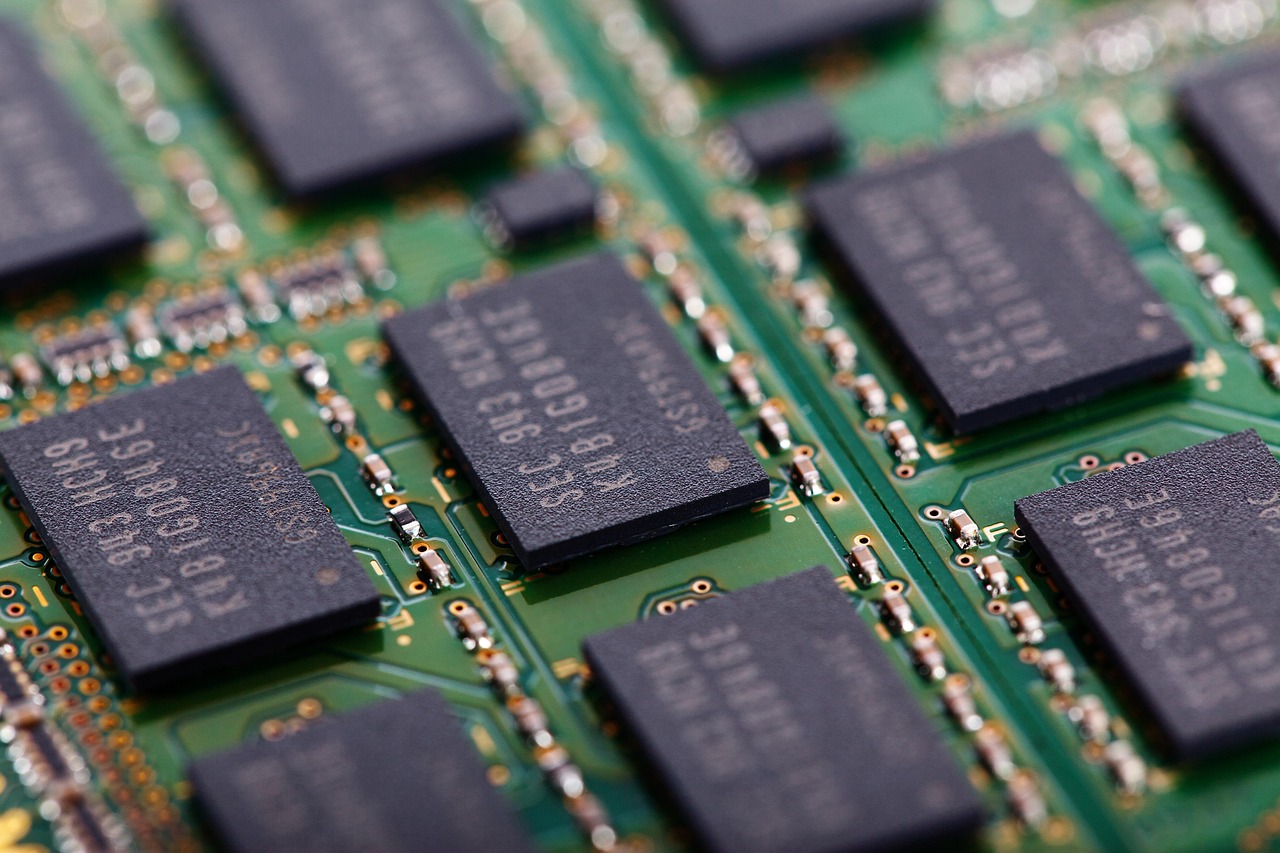
South Korean stocks led losses across Asian markets on Thursday as a global selloff in artificial intelligence-related shares triggered heavy declines in semiconductor companies. Investors grew increasingly concerned that spending on AI infrastructure could slow, overshadowing resilient economic data from across the region.
The benchmark KOSPI fell sharply, marking its biggest decline in months, as Samsung Electronics and SK Hynix extended steep losses following weakness in U.S. technology stocks overnight. The downturn came after reports that Meta Platforms is considering launching a cloud infrastructure business that would sell excess AI computing capacity, raising fears that hyperscale companies may become more disciplined with AI investments.
Investor sentiment was also pressured by reports that Apple is evaluating memory chips from Chinese suppliers, fueling concerns about future demand for South Korean memory chip manufacturers. In the U.S., memory giant Micron Technology and storage company SanDisk both dropped more than 10%, adding to the negative mood across global semiconductor markets.
Despite the technology-led selloff, U.S. stock futures showed signs of stabilization. Nasdaq 100 Futures gained 0.2%, while S&P 500 Futures edged slightly higher as investors awaited fresh U.S. economic data.
The weakness spread throughout Asia’s semiconductor supply chain. SK Hynix fell to its lowest level since mid-June, while Samsung Electronics touched its weakest level since early June. Investors questioned whether the AI-driven rally that lifted chip stocks this year could continue at the same pace.
Japan’s Nikkei 225 declined around 1.5%, although the broader TOPIX managed modest gains. AI-related suppliers suffered significant losses, with Kioxia Holdings plunging more than 14%, while Ibiden dropped over 10%. Other major electronics and semiconductor suppliers, including Murata Manufacturing, Furukawa Electric, and Mitsui Mining and Smelting, also recorded sharp declines as investors reduced exposure to AI-linked companies.
Taiwan’s semiconductor sector also weakened, with Taiwan Semiconductor Manufacturing Co. (TSMC) extending recent losses alongside other AI supply chain firms as investors reassessed elevated valuations after a strong rally earlier this year.
In contrast, mainland Chinese markets proved more resilient. The Shanghai Composite rose about 0.4%, while the CSI 300 slipped modestly. Stronger manufacturing activity and expectations of additional government policy support helped cushion the impact of the broader technology selloff.
Regional economic data largely took a back seat as markets remained focused on AI investment trends. Australia’s ASX 200 slipped after the country unexpectedly posted a trade deficit in May, raising concerns about slowing global demand for commodities. Meanwhile, Indonesia’s Jakarta Composite Index gained nearly 1%, and India’s Nifty 50 Futures moved modestly higher.
Earlier manufacturing surveys across China, Japan, and several Southeast Asian economies pointed to continued resilience in factory activity. South Korea’s latest inflation data also met expectations, while export growth remained relatively solid, reinforcing the strength of the country’s external sector.
However, investors largely ignored these positive economic indicators as uncertainty surrounding AI spending dominated market sentiment. Traders also remained cautious ahead of remarks from U.S. President Donald Trump later in the day, looking for any updates on trade or economic policy that could influence global financial markets and risk appetite.







