


 South Korea Exports Set for 16th Monthly Gain on AI Chip Demand
  Hong Kong Home Prices Stabilize in August After July Decline
  RBA Set for September Rate Hike as Inflation Stays High
  UK Housebuilder Stocks Surge on New First-Time Buyer Loan Scheme
  Australia Budget Deficit Narrows to A$22.3 Billion on Stronger Tax Revenue
  Fed Unveils Stablecoin Rules Under GENIUS Act
  BlackRock’s Rick Rieder Favors Bonds Over Stocks as Treasury Yields Surge
  BOJ Raises Interest Rate to 31-Year High as Yen Weakens
  Japan Warns Markets Over Yen Weakness
  China Cuts Tariffs on U.S. Farm Goods but Excludes Soybeans
  Asian Stocks Fall as Bond Yields and Oil Prices Surge
  Gold Slides Below $4,300 as Oil Surge Fuels Fed Rate Hike Bets


 Add as a preferred source on Google
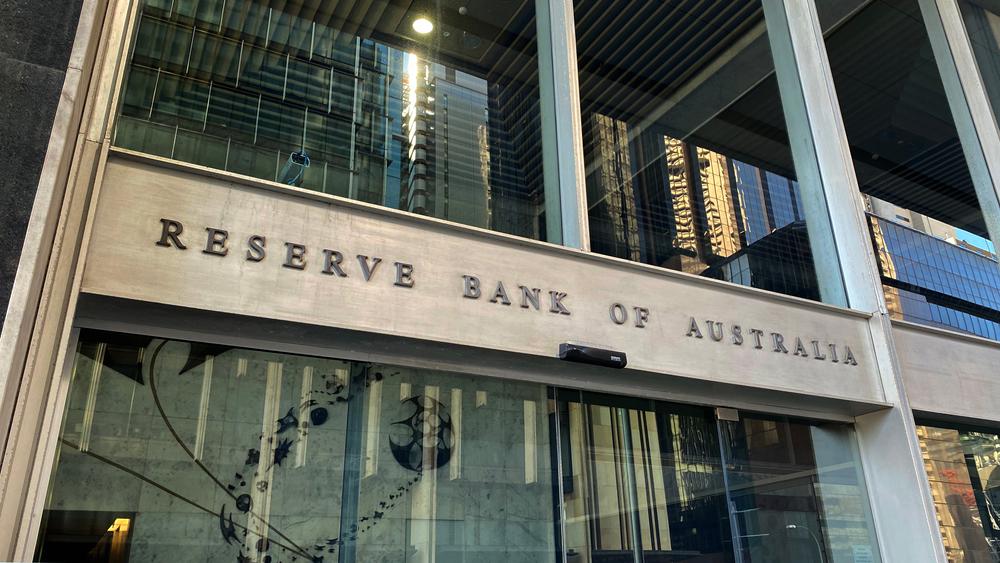
The Reserve Bank of Australia (RBA) remains prepared to raise interest rates again if inflation risks intensify, according to the minutes of its June policy meeting released on Tuesday. The central bank emphasized that it is committed to returning inflation to target while maintaining stable employment, leaving the door open for additional monetary tightening if necessary.
At its June meeting, the RBA kept the cash rate unchanged at 4.35% after delivering a cumulative 75 basis points of rate hikes earlier this year. Policymakers said they wanted more time to assess how previous increases were affecting inflation, household spending, and broader economic activity before making further adjustments.
Despite holding rates steady, the meeting minutes highlighted that the RBA continues to take a hawkish stance on inflation. Board members agreed they would "do what is necessary" to achieve the bank’s inflation and employment objectives, including raising the cash rate again should price pressures prove more persistent than expected.
The minutes showed that although inflation risks linked to higher energy prices have eased following the de-escalation of the Middle East conflict, domestic challenges remain significant. Weak productivity growth, resilient consumer demand, and ongoing supply constraints continue to pose upside risks to inflation across the Australian economy.
The RBA also pointed to Australia's tight labor market, steady wage increases, and production bottlenecks as factors that could keep inflation elevated. These domestic conditions have remained central to the bank’s policy decisions as it seeks to bring inflation back within its target range.
Earlier this year, the RBA aggressively increased borrowing costs after inflation accelerated in late 2025. Rising oil prices driven by geopolitical tensions in the Middle East added to inflationary pressures before crude prices retreated following a peace agreement reached in June. However, policymakers acknowledged that renewed geopolitical tensions could once again push energy prices higher.
At the same time, the central bank recognized downside risks to economic growth. The minutes cited softer housing market conditions and slowing private consumption as areas that warrant close monitoring, even as inflation remains the primary concern.
The Australian dollar was little changed following the release of the minutes, while investors continued to assess the likelihood of another RBA interest rate increase in the coming months as policymakers balance persistent inflation against slowing domestic demand.







