


 Trump Questions Housing Bill as He Prioritizes SAVE America Act
  China Factory PMI Seen Returning to Growth in June as AI Export Demand Supports Economy
  US Stock Futures Steady as Investors Await Payrolls Data and Monitor Iran Tensions
  Canada Grants C$7 Million to Greenland Molybdenum Mine to Strengthen Critical Minerals Supply
  U.S. Stocks End Q2 Higher as Strong Jobs Data and AI Rally Lift Wall Street
  China Manufacturing PMI Edges Higher in June as Exports and AI Investment Boost Growth
  Central Banks Eye Gold, Reduce Dollar Exposure as AI Adoption Accelerates: OMFIF Survey
  Wall Street Futures Rise Ahead of JOLTS Data, Nike Earnings, and U.S.-Iran Talks
  Gold Price Drops to Eight-Month Low as Fed Rate Hike Bets Weigh on Bullion. Source: Photo by Michael Steinberg via Pexels
  NATO Albania Summit Faces Uncertainty as Trump, Defense Spending Concerns Loom
  RBA Minutes Signal Australia Central Bank Remains Ready to Raise Interest Rates if Inflation Persists
  Oil Prices Slip as U.S.-Iran Peace Talks and Strait of Hormuz Risks Keep Markets on Edge
  Asian Currencies Stay Range-Bound as Investors Eye China Data, RBNZ Outlook and U.S.-Iran Ceasefire
  Yen Falls to 40-Year Low as Markets Watch Japan Intervention and U.S. Jobs Report
  Gold Prices Drop as Fed Rate Outlook and Iran Tensions Weigh on Market
  Global Financial Firms Shift Asia Expansion Focus to South Korea as China, India Face Caution
  Argentina Economy Shrinks 1.5% in April, Recovery Under Milei Loses Momentum


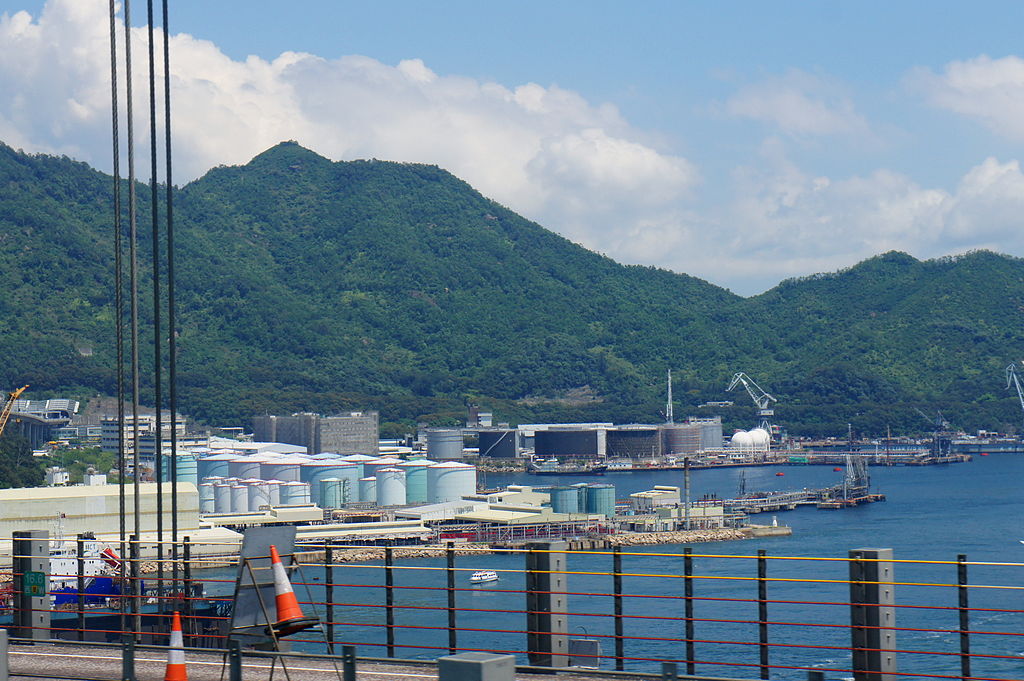
Oil prices edged higher on Wednesday as uncertainty surrounding U.S.-Iran peace negotiations continued to support crude markets, even as record U.S. oil production pointed to improving global supply. Traders remained cautious, with geopolitical tensions preventing a deeper decline in prices despite signs of easing supply concerns.
U.S. West Texas Intermediate (WTI) crude futures climbed 0.73% to $70.01 per barrel at 21:03 ET (01:03 GMT). Brent crude had not yet started trading, but market participants remained focused on developments in the Middle East for direction.
Investor attention centered on negotiations in Doha after Iran ruled out direct discussions with senior U.S. officials in the region. Instead, Tehran said any negotiations would take place through mediators at the technical level. The decision reduced expectations for a quick breakthrough that could transform the recent two-week ceasefire into a more durable peace agreement.
Although crude prices have recovered modestly, the market remains well below levels seen during the peak of the Iran conflict. Brent crude recorded a steep 38% decline during the second quarter after surging roughly 94% in the first quarter. The benchmark also fell around 21% in June following a 19% decline in May, marking its sharpest monthly drop since March 2020. The easing of fears over major supply disruptions through the Strait of Hormuz contributed significantly to the recent selloff.
Despite the price correction, geopolitical risks continue to influence market sentiment. The lack of direct U.S.-Iran negotiations has increased uncertainty over how quickly both sides can resolve key issues under their 60-day diplomatic framework. One of the biggest concerns remains the future security and governance of the Strait of Hormuz, one of the world's most critical oil shipping routes.
Shipping activity through the waterway has shown signs of recovery following the recent conflict. According to Kpler data, approximately 24 commodity vessels, including crude oil and liquefied natural gas (LNG) tankers, passed through the Strait of Hormuz on Monday, with steady traffic continuing into Tuesday. The improved flow has eased immediate concerns over global energy supplies but has not eliminated geopolitical risks.
Analysts at ANZ said expectations for a lasting peace agreement have weighed on oil prices in recent weeks. However, the bank warned that uncertainty surrounding Iran's future role in overseeing maritime traffic through the Strait of Hormuz remains a significant risk for global energy markets. Any disruption in the strategically important waterway could quickly tighten oil supplies and trigger renewed price volatility.
On the supply front, the U.S. Energy Information Administration reported that domestic crude production reached a record 13.93 million barrels per day in April. The increase reflects stronger output from American producers who responded to elevated oil prices during the Iran conflict. Rising U.S. production could help offset potential supply disruptions and limit further gains in crude prices if geopolitical tensions continue to ease.
Still, market analysts believe geopolitical developments will remain the primary driver of short-term oil price movements. Supporting that view, ANZ's China Commodity Index gained 0.5%, with the energy component also rising 0.5%, suggesting resilient commodity demand despite the recent decline in crude prices.
Looking ahead, investors will closely monitor any progress in the Doha negotiations, developments involving the Strait of Hormuz, and upcoming U.S. crude inventory data for fresh signals on the direction of Brent crude and WTI oil prices.







