


 RBI Hits Pause as Geopolitical Storm Clouds Gather
  Fed Chair Kevin Warsh Signals Policy Overhaul as Hawkish Rate Outlook Rattles Markets
  BoE Policymaker Alan Taylor Signals No Need for Interest Rate Hike Amid Iran War Inflation Risks
  US Jobs Report Preview: June Payroll Growth Seen Slowing as Fed Rate Decision Looms
  South Korea Signals Possible Interest Rate Hike as Inflation Remains Elevated
  Wall Street Futures Rise Ahead of JOLTS Data, Nike Earnings, and U.S.-Iran Talks
  Oil Prices Slip as Iran Talks and Strong Supply Outlook Ease Market Concerns
  BOJ Raises Interest Rates to 1% as Inflation Pressures Persist
  US Dollar Rises as Fed Rate Outlook Stays Hawkish, Euro Slips and Yen Near 40-Year Low
  Gold Price Hits Annual Low as Fed Rate Hike Bets and Sticky Inflation Weigh on Bullion
  India Manufacturing PMI Slows in June as Demand Weakens Despite Lower Cost Pressures
  Asian Stocks Slide as Chip Shares Tumble Ahead of Key U.S. Jobs Report
  Asian Currencies Stay Under Pressure as Dollar Holds Near 13-Month High Ahead of U.S. Jobs Report
  Oil Prices Rise as U.S.-Iran Talks Keep Geopolitical Risks in Focus
  Central Banks Eye Gold, Reduce Dollar Exposure as AI Adoption Accelerates: OMFIF Survey


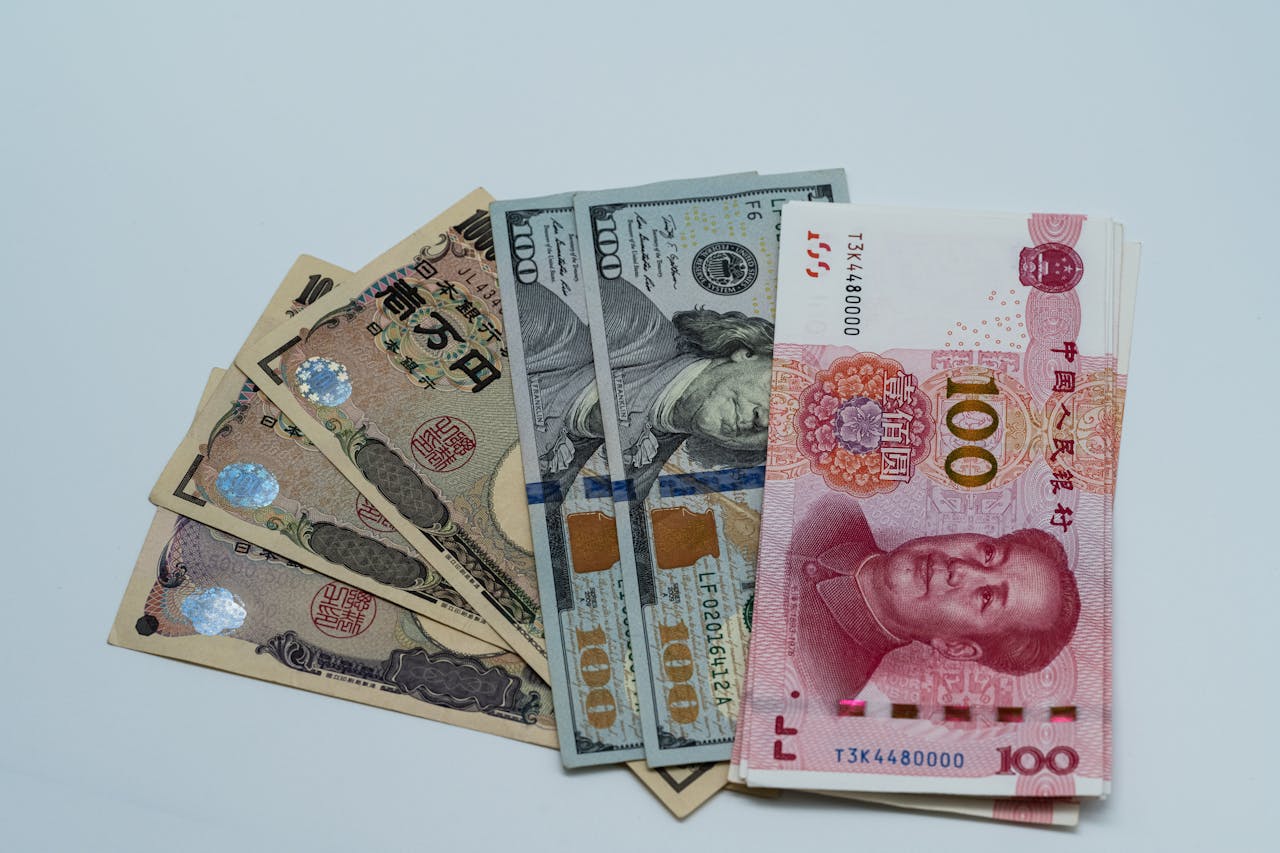
Japan is shifting its foreign exchange strategy by abandoning its long-standing practice of warning markets before intervening, opting instead for a more unpredictable approach aimed at catching speculators off guard and supporting the struggling yen, according to sources familiar with the matter.
Rather than issuing repeated verbal warnings or hinting at exchange-rate levels that could trigger intervention, Japan's Ministry of Finance (MOF) is now keeping markets guessing. Officials are deliberately avoiding identifying a "line in the sand," increasing uncertainty for traders holding large short positions against the Japanese currency.
The strategy marks a significant change from previous interventions, when government officials frequently signaled concern over rapid yen declines before entering currency markets. Sources said future intervention could come suddenly, targeting speculative positions instead of responding to a specific exchange-rate threshold.
The shift comes as the yen continues to trade near multi-decade lows despite Japan's record 11.7 trillion yen ($72 billion) intervention between late April and early May. The currency recently weakened to around 162.66 per U.S. dollar, its lowest level in roughly 40 years, before hovering near 162.50 during Thursday's Tokyo trading session.
Japanese authorities believe surprise intervention would make it more expensive and risky for investors to bet against the yen. One source said the objective is not tied to any particular exchange rate but rather to preventing excessive and disorderly depreciation driven by speculative trading.
The Bank of Japan (BOJ) is reinforcing this effort through increasingly hawkish messaging. BOJ Deputy Governor Ryozo Himino recently warned that a weaker yen raises import costs and fuels inflation, while other policymakers have echoed concerns that persistent currency weakness is adding upward pressure on consumer prices.
Although the BOJ raised interest rates last month, Japan's benchmark policy rate remains at just 1%, far below the U.S. Federal Reserve's 3.50%-3.75% range. The wide interest-rate gap continues to encourage investors to sell the yen in favor of higher-yielding dollar assets.
Finance Minister Satsuki Katayama has maintained that Japan stands ready to respond appropriately to excessive currency movements but has avoided escalating official rhetoric even as the yen touched fresh lows. Likewise, Japan's top currency diplomat Atsushi Mimura has refrained from issuing the frequent warnings that preceded previous interventions, a move analysts believe is intended to preserve the element of surprise.
Market participants are also watching U.S. economic data closely, particularly the latest employment report, which could influence expectations for Federal Reserve policy. Any signs of reduced expectations for further U.S. rate hikes could ease pressure on the yen by slowing the dollar's recent rally. If the dollar continues strengthening, however, analysts believe the likelihood of Japanese intervention could increase.
Another important factor is international support, especially from the United States. As a member of the G7, Japan generally seeks understanding from its partners before intervening in currency markets, with such action typically justified only to address excessive market volatility rather than influence exchange rates.
The BOJ is also expected to keep signaling the possibility of additional interest rate increases if economic conditions continue improving. Japan's latest Tankan survey showed business confidence reaching its highest level in eight years, while corporate inflation expectations climbed to record highs, reinforcing expectations that further monetary tightening remains possible.
Together, the MOF's new strategy of surprise intervention and the BOJ's increasingly hawkish tone suggest Japanese authorities are adopting a more coordinated approach to defend the yen and discourage speculative selling in the foreign exchange market.







