


 China Warns US Arms Sales to Taiwan Could Disrupt Trump’s Planned Visit
  Norway Opens Corruption Probe Into Former PM and Nobel Committee Chair Thorbjoern Jagland Over Epstein Links
  U.S. Lawmakers to Review Unredacted Jeffrey Epstein DOJ Files Starting Monday
  India–U.S. Interim Trade Pact Cuts Auto Tariffs but Leaves Tesla Out
  Japan Election 2026: Sanae Takaichi Poised for Landslide Win Despite Record Snowfall
  Trump Backs Nexstar–Tegna Merger Amid Shifting U.S. Media Landscape
  New York Legalizes Medical Aid in Dying for Terminally Ill Patients
  Pentagon Ends Military Education Programs With Harvard University
  Ohio Man Indicted for Alleged Threat Against Vice President JD Vance, Faces Additional Federal Charges
  Trump Says “Very Good Talks” Underway on Russia-Ukraine War as Peace Efforts Continue
  Trump Allegedly Sought Airport, Penn Station Renaming in Exchange for Hudson River Tunnel Funding
  U.S. to Begin Paying UN Dues as Financial Crisis Spurs Push for Reforms
  TrumpRx Website Launches to Offer Discounted Prescription Drugs for Cash-Paying Americans
  U.S. Announces Additional $6 Million in Humanitarian Aid to Cuba Amid Oil Sanctions and Fuel Shortages
  Missouri Judge Dismisses Lawsuit Challenging Starbucks’ Diversity and Inclusion Policies
  Trump Lifts 25% Tariff on Indian Goods in Strategic U.S.–India Trade and Energy Deal
  Trump Signs Executive Order Threatening 25% Tariffs on Countries Trading With Iran


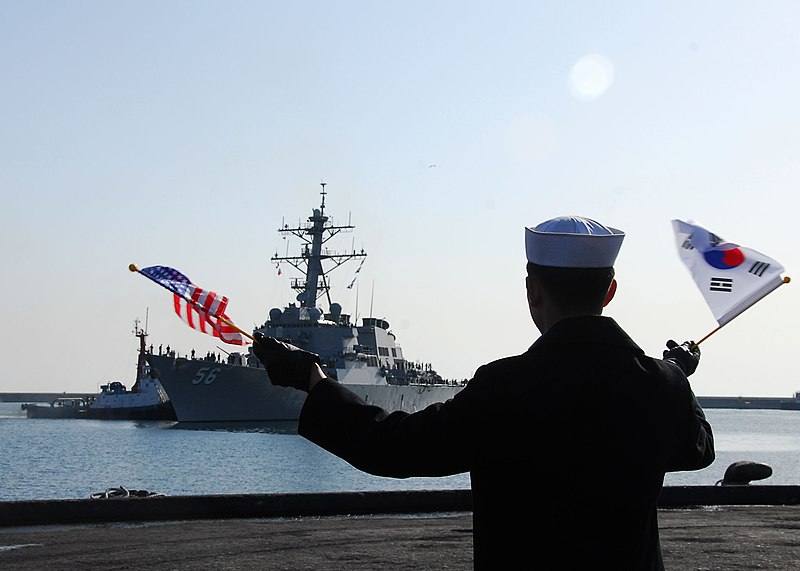
South Korea and the United States began their joint military drills this week in what would be the largest in years. This comes as both countries are looking to bolster their readiness over North Korea’s ongoing weapons tests.
Officials said, South Korea and the US are beginning their joint military drills this week, with field training to resume. The annual summer drills, also known as Ulchi Freedom Shield this year, are set to end on September 1.
South Korea’s military separately launched the four-day Ulchi civil defense drills Monday. The drills are aimed at boosting the government’s readiness for the first time since the pandemic.
The military and civil drills are aimed to improve the country’s preparedness to match the patterns of war, including cyber threats against key facilities such as chip factories and supply chains, according to President Yoon Suk-yeol.
“Maintaining peace on the Korean peninsula is built on our airtight security posture,” said Yoon during a cabinet meeting, calling for more thorough exercises based on real-world situations.
The latest drills are also the largest since 2017 after it was scaled back due to the COVID-19 pandemic. Yoon’s predecessor, Moon Jae-in also sought to restart discussions with North Korea. Pyongyang has described the exercises by the South as a rehearsal for a potential invasion.
North Korea launched two cruise missiles last week just as South Korea and the US began their preliminary training for their drills.
South Korea’s defense ministry said the allies would stage 11 field training programs, including one brigade-level program which involves thousands of troops this summer. The ministry also said it would improve its missile detection capabilities and call for an earlier deployment of a new interceptor system.
Last week, Yoon said that talks with North Korea must play a part in establishing peace in the region and not just for a political show, hours after Pyongyang launched the two cruise missiles.
Yoon also reiterated that South Korea was prepared to provide North Korea with economic aid if it shuts down its nuclear program, adding that he has called for dialogue with Pyongyang since his campaign.
“Any dialogue between the leaders of the South and North, or negotiations between working-level officials, should not be a political show, but should contribute to establishing substantive peace on the Korean peninsula and in Northeast Asia,” said Yoon.













